The Benefits of Insulated Siding for Homeowners
If your home feels drafty in winter and stifling in summer, you’re not alone. Many homeowners spend years battling the elements, wondering if there’s a better way to keep their spaces comfortable and their bills under control.
At Kroll Siding, we understand the everyday frustrations of maintaining a home’s exterior. Insulated siding is one of the smartest investments you can make—for comfort, efficiency, and long-term value.
What Is Insulated Siding?
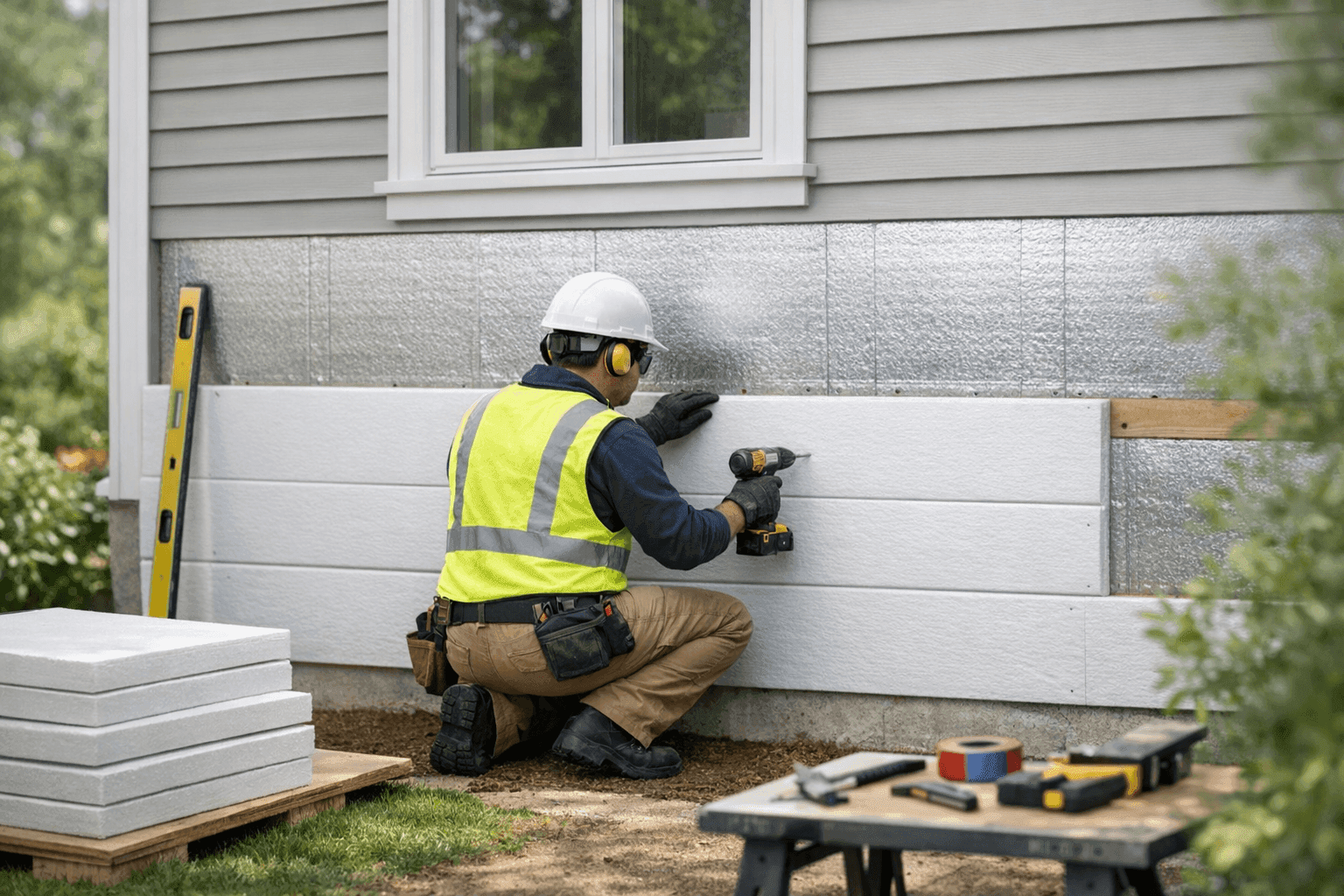
Imagine wrapping your home in a cozy blanket. That’s what insulated siding does. It’s traditional siding, like vinyl or fiber cement, joined with a layer of rigid foam insulation. This extra barrier cuts down on heat transfer, helping your house stay warmer in the winter and cooler in the summer.
The insulation is often permanently bonded to the back of the siding panel. This makes the siding stronger, more impact-resistant, and less likely to warp or sag over time. The result? A quieter, more comfortable, and energy-smart home.
How Insulated Siding Works
Think of heat as a determined escape artist. Without a barrier, it slips right through your walls. Insulated siding acts like a security guard, keeping your heated or cooled air right where you want it—inside your home.
The foam insulation fits snugly against the house, filling gaps and reducing airflow. That means fewer drafts and less energy wasted. According to the U.S. Department of Energy, adding insulation to your home’s exterior can significantly reduce energy loss, especially in older buildings.
Energy Savings That Add Up 💡
One of the biggest perks of insulated siding? Lower utility bills. Heating and cooling costs can eat up a big chunk of your budget. By reducing heat transfer through your walls, insulated siding helps your HVAC system work less—and that means real savings.
- Consistent indoor temperatures: No more hot or cold spots near exterior walls.
- Reduced energy consumption: Lower monthly bills, especially during extreme weather.
- Smaller carbon footprint: Use less energy, help the environment.
According to ENERGY STAR, properly installed exterior insulation can reduce heating and cooling costs by as much as 20%. Over time, these savings can offset the upfront cost of installation.
Boosting Comfort—All Year Round
Drafts make a home feel less like a sanctuary. Insulated siding provides a tight seal, keeping outdoor air out and conditioned air in. This creates a more comfortable, consistent environment for your family—whether it’s January or July.
You’ll notice the difference right away. Less noise from outside traffic, fewer chills near windows, and a steadier temperature throughout every room.
Resale Value: A Smart Long-Term Move
Curb appeal matters. The right siding can transform a home’s appearance, but insulated siding does more. It’s an upgrade that savvy buyers notice.
- Increased home value: Insulated siding is a selling point in today’s market.
- Attractive exterior: Modern styles and colors give your home a fresh, updated look.
- Durability: Added strength means fewer repairs down the road.
According to Remodeling Magazine’s Cost vs. Value Report, siding upgrades recoup a substantial portion of their cost at resale—especially when they improve efficiency and appearance.
Installation: What Homeowners Should Expect
A siding project is a big step, but it doesn’t need to be a headache. Our team at Kroll Siding follows a proven process for insulation installation.
Here’s what typically happens:
- Inspection: We assess your current siding for damage or trouble spots.
- Preparation: Old siding is removed (if needed). Surfaces are checked for moisture issues or rot.
- Installation: New insulated siding panels are attached, with careful attention to seams and flashing.
- Finishing touches: Trim, caulking, and sealing for a weather-tight fit.
The timeline depends on your home’s size and the scope of the job. Most installations take about one to two weeks, weather permitting. Safety guidelines from the International Residential Code (IRC) are always followed to protect your home and our crew.
Safety First: What to Know
Before starting any siding project, a quick safety checklist:
- Remove fragile outdoor items near siding walls.
- Keep pets and kids clear of work areas.
- Alert your installer to any known hazards (like old lead paint or pest damage).
Licensed professionals use safety gear and follow local building codes. If you’re considering DIY, be aware—installing insulated siding is a complex job best left to those with experience and the right equipment.
Is Insulated Siding Right for DIY?
Some projects are perfect for ambitious homeowners. Insulated siding isn’t one of them. The panels are heavier and more rigid than standard siding, requiring special tools and a skilled touch.
Common mistakes include poor alignment, improper flashing, or missed gaps that allow water intrusion. Incorrect installation can void warranties or lead to expensive repairs.
For siding that performs as promised, professional installation is the way to go.
Maintenance Made Simple 🧹
Good news—insulated siding is low maintenance. Here’s how to keep it looking and working its best:
- Wash panels with a garden hose and mild soap once or twice a year.
- Inspect seams, trim, and caulking for cracks or gaps.
- Address minor dents or scratches quickly to prevent deeper damage.
- Schedule periodic siding weatherproofing checks, especially after storms.
No need for painting, and no worries about pests—most insulated panels resist insects and rot.
Weatherproofing: Your Home’s Shield
Insulated siding is a key player in your home’s defense against the elements. It blocks wind, rain, and snow, reducing the risk of moisture problems that can lead to mold or rot.
Paired with professional caulking and flashing, your home stays dry and protected—season after season.
Signs You Need an Upgrade
Not sure if you need new siding? Watch for:
- Cracked, warped, or loose panels.
- Fading color or peeling paint.
- High heating or cooling bills.
- Frequent drafts or hot/cold spots.
A professional siding inspection can pinpoint trouble areas and recommend solutions tailored to your home.
Emergency Repairs: When Time Matters ⏱
Storms, accidents, or sudden damage can expose your home to the elements fast. Emergency siding services from Kroll Siding are available when you need help most. Quick action prevents costly water damage and keeps your home safe.
The Right Material Matters
Insulated siding comes in a range of materials. Vinyl is popular for its affordability and color options. Fiber cement offers extra strength and fire resistance. Kroll Siding’s team can guide you through a siding material consultation to help you choose what’s best for your home, whether you’re focused on energy savings, style, or durability.
Siding That Grows With You
Life changes, and so do your home’s needs. Whether you’re planning for a growing family, preparing to sell, or just want a cozier nest, insulated siding adapts. It’s a flexible upgrade that delivers benefits for years.
Frequently Asked Questions
Q: Will insulated siding work with my existing home?
Yes. Most homes can be fitted with insulated siding—even older ones. Special installation techniques may be needed for unique architectural styles.
Q: Does it help with noise?
Definitely. The foam layer absorbs sound, making your home quieter inside.
Q: How long does it last?
With proper care, insulated siding can last 20–40 years or more.
Q: Can I choose the color and style?
Absolutely. There’s a wide range of colors, textures, and profiles to match your taste.
Ready to Upgrade Your Siding?
Insulated siding isn’t just a home improvement—it’s an investment in comfort, efficiency, and peace of mind. Whether you need a full replacement, weatherproofing, or just want to learn more about your options, Kroll Siding is here to help.
Call Kroll Siding now — or reach us anytime at 888-892-6286 .