Choosing Trim and Molding for Lasting Curb Appeal
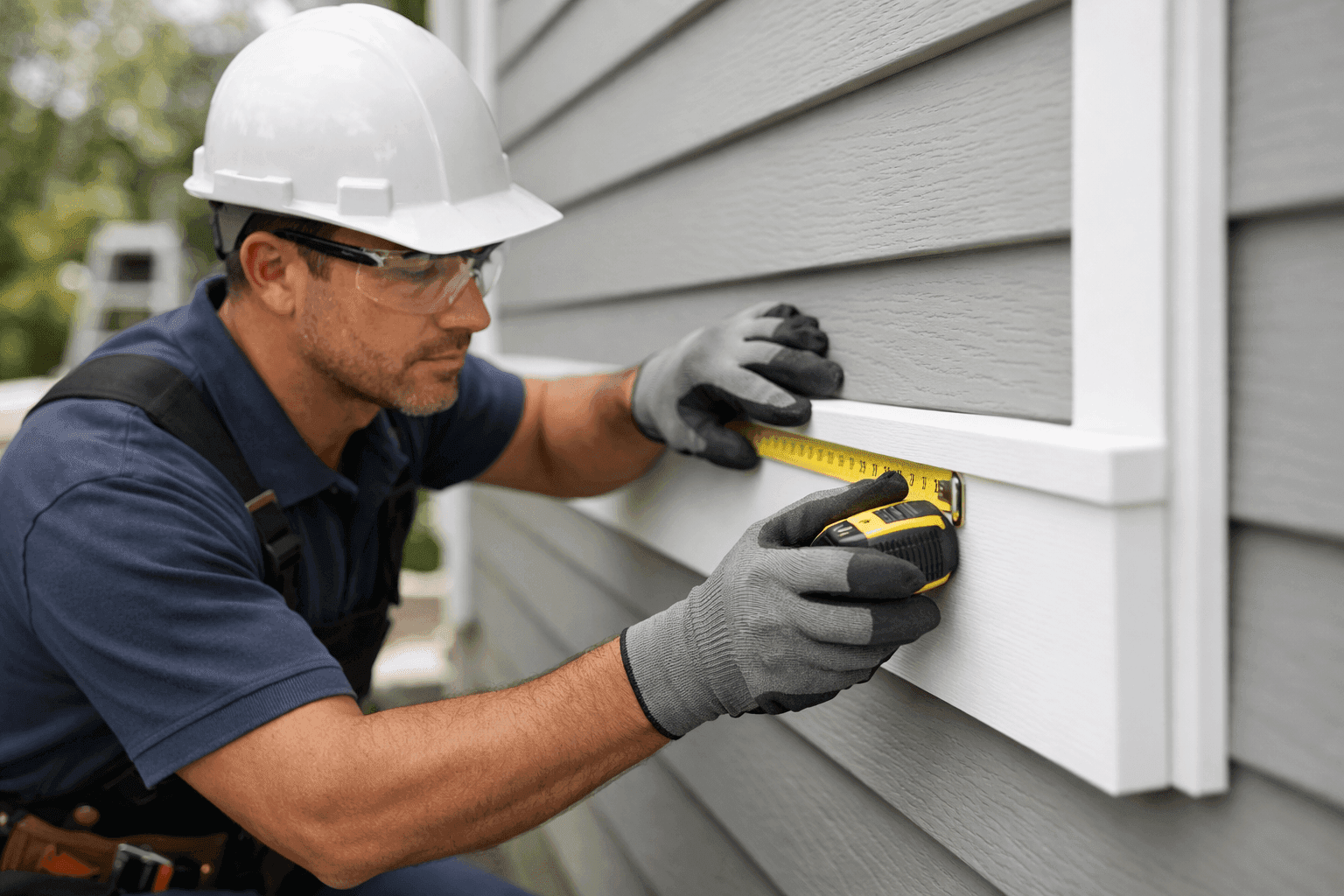
Choosing the right trim and molding isn’t just about looks—it’s about protecting your home and making a first impression that sticks. At Kroll Siding, we’ve seen homeowners wrestle with color charts, compare corners, and debate molding profiles. It’s a big deal. Your trim frames your siding like the perfect mat on a painting. Get it wrong, and something always feels a little off.
Let’s break down the choices, the pitfalls, and the real-world wisdom that comes from years of hands-on siding work. You want curb appeal that lasts. Here’s how to get it.
Popular Trim Materials
Trim isn’t one-size-fits-all. Each material brings its own strengths, quirks, and care needs.
- Wood: The classic. Warm, timeless, and paintable. Cedar and redwood hold up best, but all wood needs sealing and regular checks for rot or pest damage.
- PVC or Vinyl: Low-maintenance and moisture-resistant. Won’t warp or split, which makes it popular for busy homeowners who don’t want to repaint every few years.
- Fiber Cement: Super tough. Handles weather like a champ and resists bugs, but is heavier and costs a bit more upfront.
- Metal (Aluminum/Steel): Sleek and modern. Great where fire risk is a concern or for homes that face harsh weather.
- Engineered Wood: Looks like natural wood, but with better resistance to moisture and insects.
Every installer at Kroll Siding has their favorite for different situations, but the best choice is always the one that matches your climate, budget, and style.
Matching Trim to Siding
Trim is the handshake your siding gives to the world. When the grip is right, it feels natural.
- Contrast or Blend? If your siding is a deep blue or gray, crisp white trim pops. For earth tones, try cream, taupe, or even a complementary shade for subtlety.
- Profiles Matter: Flat trim is modern. Beveled or ornate profiles bring in classic charm. Colonial homes lean traditional, while craftsman and contemporary homes often go streamlined.
- Material Pairings: Vinyl siding plays best with vinyl trim. Fiber cement siding? Stick with fiber cement or PVC trim for best performance and warranty coverage.
- Transitions and Details: Don’t forget corners, window surrounds, and door frames. These details make the whole system feel intentional—never an afterthought.
For the indecisive, our siding color consultation guides homeowners through the maze of color swatches and samples.
Curb Appeal Upgrades 🏠
Trim is like the picture frame of your home. The right choice can turn a plain exterior into a showstopper.
- Boost Visual Depth: Layered or multi-piece trim adds shadow lines and architectural interest.
- Accentuate Features: Use wide trim to highlight entryways, or crown moldings to give windows and doors a stately look.
- Mix Materials: Combine brick or stone accents with fiber cement or wood trim for a custom feel.
A well-chosen trim not only adds beauty but signals that the whole exterior was designed with care. That’s real value—both for your home’s look and its resale price.
Installation Dos & Don’ts
A perfect trim job is invisible: no gaps, no warps, no peeling paint.
Do:
- Use corrosion-resistant fasteners, especially with treated wood or fiber cement.
- Leave room for expansion (especially with PVC or vinyl).
- Back-prime wood before installation to keep moisture out.
- Follow local building codes—this can affect everything from fire resistance to storm safety.
Don’t:
- Skip caulking joints and edges. Water always finds the weak spot.
- Install trim in wet conditions. Even a little moisture can trap problems inside.
- Ignore flashing. Where siding and trim meet, proper flashing prevents costly water intrusion. (If you need "Siding Flashing Repair near you," make it a priority.)
Our crews are trained to spot and solve these issues on the fly, saving you headaches down the road.
When to Call a Pro
Some trim projects look simple—until you’re balancing on a ladder, wrestling a 16-foot board as a storm cloud rolls in. If you’re unsure about tools, heights, or local codes, it’s time for a pro.
Professionals bring:
- Precise measuring and cutting for tight, weatherproof seams.
- Knowledge of how different materials expand or contract.
- The right caulking, sealing, and flashing techniques.
- Access to specialized tools for tricky installs or repairs.
For larger projects—like full trim replacement, new construction, or storm repair—save yourself the hassle. Kroll Siding handles everything from trim installation to emergency repairs.
Maintenance That Pays Off
Like any part of your exterior, trim needs seasonal attention.
- Inspect Annually: Look for cracks, peeling paint, or loose boards.
- Clean Gently: A soft brush and mild soap keep mold and dirt at bay.
- Seal the Gaps: Re-caulk where needed, especially before winter.
- Touch Up Paint: Spot repairs prevent rot and keep colors true.
Neglecting trim can lead to water damage, pest problems, and expensive siding repairs. A little time each year goes a long way.
Common Mistakes Homeowners Make
Trim should never be an afterthought. Here’s where even the most diligent DIYers slip up:
- Choosing trim too thin or narrow, making the home look out-of-balance.
- Mismatching materials that expand at different rates—leading to warping or gaps.
- Skipping flashing at critical junctions.
- Forgetting about compatibility with siding warranties.
If you’re ever unsure, check guidance from the Vinyl Siding Institute or your siding manufacturer. Or, just ask us.
Longevity: How to Get the Most Out of Your Investment
Quality trim pays you back year after year. Here’s how to make it last:
- Choose Durable Materials: Opt for rot-resistant wood or low-maintenance PVC/fiber cement in tough climates.
- Proper Sealing: Every cut edge, every joint—seal them up.
- Routine Maintenance: Clean, inspect, and touch up annually.
Ask your installer about expected lifespans for different materials in your area. At Kroll Siding, we’ve seen quality trim last for decades with the right care.
Signs Your Trim Needs Attention
Spot these early, and you’ll save yourself a major fix later:
- Peeling or bubbling paint
- Soft, spongy spots (a sign of rot)
- Gaps at joints or where trim meets siding
- Insect activity
- Water stains or mold growth
If you see any of these, schedule an inspection—especially if you’re thinking about painting or siding replacement.
Timeline & Disruption: What to Expect
Trim and molding installation usually takes a few days, depending on scope.
- For a single side of a home: 1–2 days.
- Full exterior or custom work: 3–5 days.
- Weather delays can add time (rain, humidity, or extreme cold).
Expect some noise, sawing, and brief blocked access to certain doors or windows. Crews should always clean up at the end of each day.
Safety Checklist Before Starting
Even small trim projects need a safety mindset.
- Wear eye and ear protection.
- Use sturdy ladders—never balance on makeshift platforms.
- Watch for buried wires or pipes before nailing.
- Secure loose pets and kids away from work zones.
- Know your limits. If you’re uneasy on ladders or with power tools, call in a pro.
Kroll Siding follows OSHA guidelines and local safety codes on every job.
DIY or Call the Pros?
It’s tempting to take on small trim repairs yourself. For experienced DIYers, patching a bit of caulk or replacing a short board is doable. But for full installations, complex corners, or second-story work, a pro is worth every penny. The difference is in the details: perfect miters, invisible seams, and trim that stands up to weather.
Frequently Asked Questions
How do I pick the right trim color?
Color should either complement or contrast your siding. If you’re uncertain, try a siding color consultation to see samples against your actual home.
Does trim affect my siding warranty?
Yes. Some siding manufacturers require specific trim materials or installation methods to keep warranties valid. Always check before you buy.
How much does trim installation cost?
Depends on material, profile, and house size. Wood is usually less up front but needs more care. PVC and fiber cement cost more but last longer with little upkeep.
Will new trim increase my home’s value?
Absolutely. Clean, well-matched trim signals a well-cared-for home and boosts curb appeal, which realtors say helps with resale.
Protecting Your Investment: Weather, Storms, and Repairs 🌦️
Your trim is the first line of defense against wind, rain, and pests. After big storms, check for damage or loosened boards. Prompt repairs—like those offered through our “Siding Flashing Repair near you” services—keep water out and your home looking sharp.
Regional Considerations & Where to Get Help
Climate influences everything: wood lasts longer in dry climates, while PVC and fiber cement shine in wet or humid regions. If you’re in the Southington area and need help with a siding inspection or want to boost your curb appeal, check out our siding services in Southington for trusted local help.
Trim and molding are more than finishing touches. They’re the handshake and the smile your home gives the world. Make the right choice with a pro who knows siding inside and out.
Call Kroll Siding now — or reach us anytime at 888-892-6286 .