DIY vs. Professional Siding Repair: When to Call the Experts
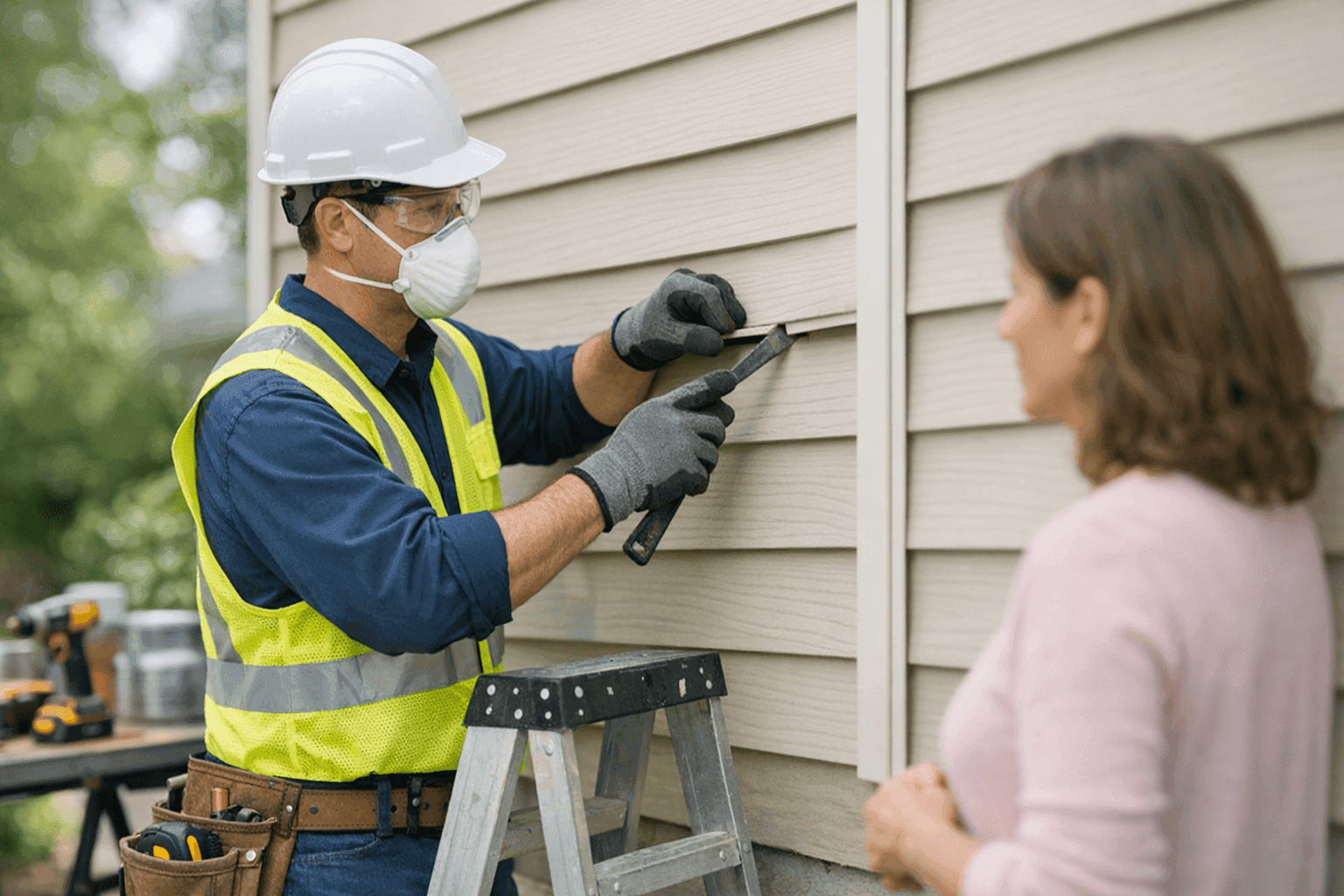
Is your siding starting to look a little worse for wear? Maybe you’ve spotted a loose board after a storm, or noticed faded patches and mold creeping along the seams. You’re not alone—almost every homeowner faces siding problems at some point. The big question: should you tackle it yourself, or is it time to call in the experts?
At Kroll Siding, we understand how stressful home repairs can feel. Your home isn’t just a building; it’s your shelter, your pride, your peace of mind. Let’s break down when a do-it-yourself approach makes sense—and when hiring a professional is the smarter, safer move.
The Scenario: When Siding Trouble Strikes
Siding problems creep up quietly. A crack here, a warped spot there. You might notice drafts, higher energy bills, or even pests making themselves at home. Sometimes, it’s obvious—like after a hailstorm or a branch crash. Other times, it’s subtle, hiding behind paint or trim.
If you’re facing any of these issues, you’re in good company. Siding repairs are one of the most common home maintenance tasks. But not all siding problems are created equal.
Safety First: Your Quick Siding Repair Checklist 🛑
Before you even think about grabbing a ladder and a hammer, stop and think safety. Siding repair isn’t just about matching colors—it can mean climbing, sawing, and handling sharp tools. Here’s a quick safety checklist:
- Do you own and know how to use basic safety gear (gloves, goggles, sturdy ladder)?
- Are you comfortable working at heights?
- Is the area near power lines or wasp nests?
- Are there structural issues (like rotting wood) that could give way under your weight?
If you’re unsure about any of these, it’s time to pause. The risks aren’t worth a hospital visit.
DIY Siding Repair: When It Makes Sense
There’s pride in fixing things yourself. Simple siding repairs—like replacing a single loose panel or caulking a small gap—can be reasonable for a handy homeowner.
DIY-friendly tasks might include:
- Reattaching a single vinyl siding panel
- Touching up caulk or paint
- Cleaning mildew or dirt from siding using safe, recommended cleaners
If you have the right tools and a little know-how, these jobs might take an afternoon. Just remember: quality is key. A patchy fix can turn a small problem into a bigger one down the road.
When to Call a Siding Professional: The Red Flags
Not all repairs are created equal. Here are clear signs that it’s time to bring in a siding professional:
- Siding is cracked, warped, or missing over a large area
- You spot water damage inside your home (like stains or bubbling walls)
- There’s mold, rot, or insect infestation
- The repair involves specialized materials (like fiber cement, stucco, or metal)
- You’re unsure how to safely secure siding above the first story
Professional siding contractors bring more than just tools. They bring experience, a trained eye for trouble, and the ability to spot hidden issues during a siding inspection.
The Tool Factor: What You Might Be Missing
Think about what’s in your toolbox. Most siding repairs need more than a hammer and nails. You might need:
- Zip tools for vinyl siding
- Specialty saws for fiber cement
- Heavy-duty ladders or scaffolding
- Flashing and weatherproofing materials
Investing in the wrong tools—or using them incorrectly—can damage your siding or even void your warranty.
Quality and Longevity: Why Professional Repairs Last
DIY repairs often solve the surface issue. But siding is your shield against the elements. Professionals don’t just patch—they diagnose, fix, and improve. A pro will:
- Inspect for hidden moisture or rot
- Use materials that match your existing siding exactly
- Apply flashing, caulk, and sealant to code
- Ensure proper ventilation and insulation for your walls
This level of detail means your repair will last through storms, heatwaves, and winter freezes.
Cost: The Real Price of Siding Repair
DIY seems cheaper—at first glance. You save on labor, sure. But factor in:
- The cost of buying or renting tools
- Wasted materials from mistakes or poor cuts
- Potential for bigger repairs if the job’s done wrong
- Lost time (your weekends are valuable!)
Professional repairs may cost more upfront, but they often prevent future damage. Plus, many pros offer siding warranty services, protecting your investment for years.
Warranty Worries: Protecting Your Home
Here’s a little-known fact: many siding manufacturers require professional installation or repair to keep your warranty valid. A DIY mistake—like improper flashing or caulking—can leave you footing the bill for future issues.
Always read your warranty carefully. When in doubt, call a professional for siding flashing repair.
Emergencies: Don’t Risk It
After a storm or sudden impact, damage can be both obvious and hidden. Fast action matters. If you see:
- Siding torn off by wind or hail
- Water leaking into your walls
- Exposed insulation or electrical wires
Don’t risk it—call for emergency siding services. Quick, professional repairs prevent bigger headaches like mold or structural damage.
Common DIY Mistakes Homeowners Make
Even the most talented DIYer can slip up. Some of the most frequent errors we see:
- Mismatched panels or paint shades
- Skipped flashing or weatherproofing
- Poor caulking that fails in extreme weather
- Overlooking hidden water damage
These small mistakes can snowball. If you’re unsure, a professional inspection is worth every penny.
Seasonal Siding Smarts: Timing Matters
Spring and fall are prime times for siding repair. Summer heat can make materials expand, while winter cold can make them brittle. Scheduling repairs during milder months helps your siding cure and settle properly.
Assessing Your Skills: Are You Ready?
Ask yourself:
- Have you done this type of repair before?
- Do you know the difference between siding types (wood, vinyl, fiber cement)?
- Are you comfortable with ladders and power tools?
- Can you spot code violations or signs of rot?
If you hesitate on any of these, a professional can help you avoid costly missteps. The International Residential Code (IRC) sets guidelines for siding installation and repair—pros know these inside and out.
Minimizing Disruption: What to Expect
Professional siding repairs are often faster and cleaner. Crews use drop cloths, clean up debris, and finish jobs quickly. DIY projects can drag on, eating up weekends and leaving your home exposed.
The Siding Pro’s Arrival: What Really Happens
When you call Kroll Siding, here’s what to expect:
- Thorough siding inspection and assessment
- Clear explanation of your repair options
- Accurate, upfront cost estimate
- Expert repairs to industry standards
- A tidy worksite and peace of mind
We treat your home as if it’s our own.
Preventing Future Siding Problems
Maintenance is the secret sauce. Clean your siding yearly, trim back bushes, and check for damage after storms. Schedule regular inspections. Need help? Our team is ready to advise on seasonal siding maintenance or upgrades.
Your Next Step: Quality Siding Repair, Made Easy
Whether you’re a DIY enthusiast or prefer to leave it to the pros, your home deserves the best. If you’re searching for a reliable siding company in Queens with repair expertise, we’re here to help—every step of the way.
Ready to protect your home? Call Kroll Siding now — or reach us anytime at 888-892-6286 .