Eco-Friendly Siding Options for a Greener Home
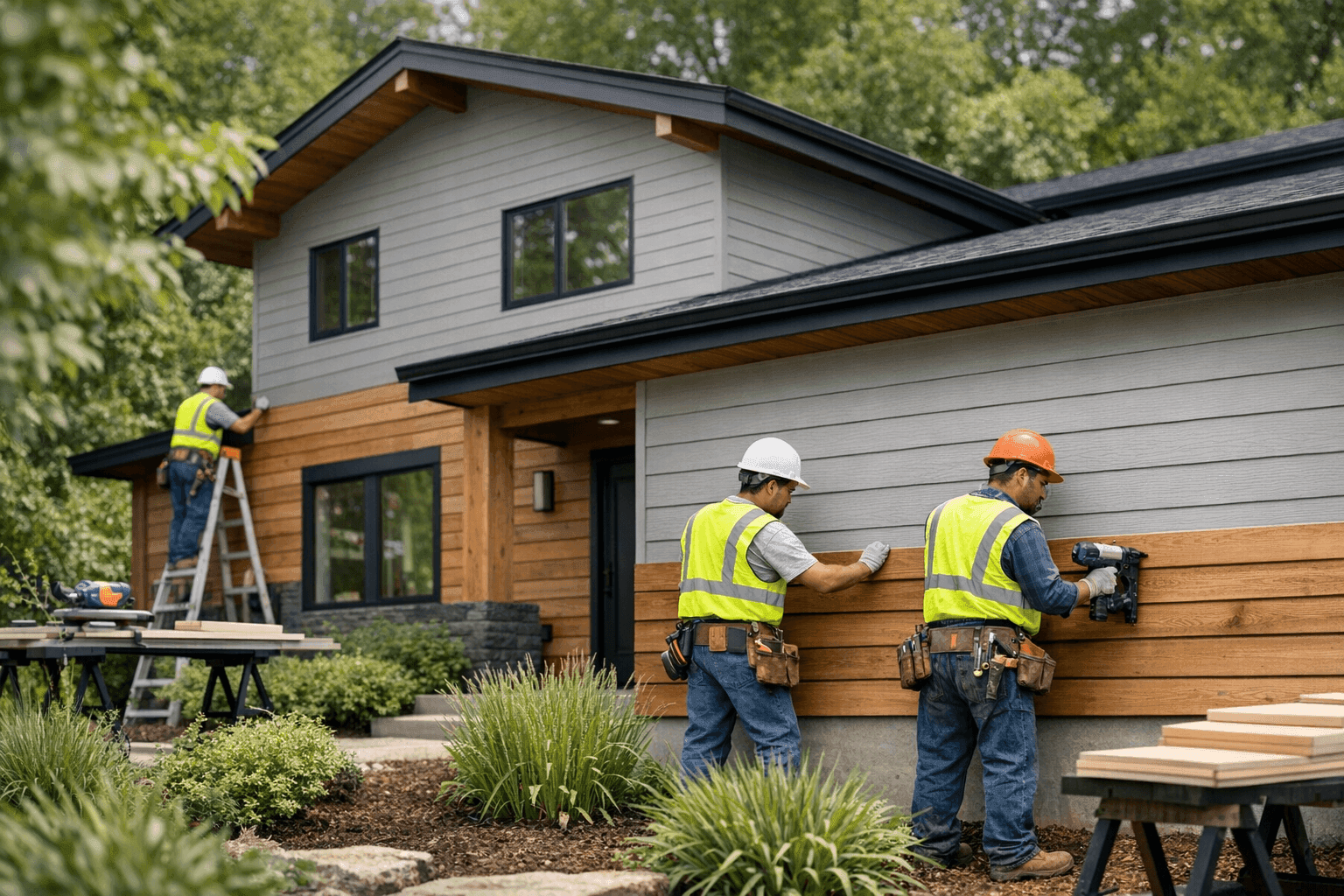
Is your home ready for the future? More homeowners are asking this question—especially when it comes to siding. With wild weather, rising energy costs, and a planet under pressure, choosing the right siding isn’t just about looks. It’s about making choices that matter, for your family and the world outside your door.
At Kroll Siding, we know the path to a greener home starts with small steps. But which siding options deliver real sustainability—without giving up curb appeal or comfort? Let’s dig into the choices.
Why Eco-Friendly Siding Matters
Think of your home’s exterior like a raincoat—it shields you from the elements, keeps you comfortable, and says something about your style. But some raincoats are made to last, while others end up in the landfill. The same goes for siding.
Eco-friendly siding isn’t just a buzzword. It means reduced waste, smarter resource use, and homes that are more efficient to heat and cool. You cut your carbon footprint and, often, your utility bills.
Fiber Cement: Durable, Stylish, and Green
Fiber cement siding is like the Swiss Army knife of home exteriors. It’s made from sand, cement, and cellulose fibers—ingredients that are both tough and sustainable. No trees are felled just for this material. And when properly installed, fiber cement can last for decades with minimal upkeep.
- Fire and insect resistant
- Holds paint well (less repainting)
- Often made using recycled content
Many homeowners love how fiber cement mimics wood grain without the maintenance headaches. And because it’s so durable, you’ll rarely need Siding Flashing Repair near you.
Engineered Wood Siding: Real Wood, Smarter Design
Engineered wood siding brings nature’s warmth to your home, but with a twist. Instead of solid planks, it uses wood fibers and resins to create panels that are strong, flexible, and resistant to rot.
- Uses fast-growing, renewable wood sources
- Lightweight for easier installation
- Lower waste during manufacturing
The look? Classic and natural. The impact? Less demand on forests, especially when you choose products certified by the Forest Stewardship Council (FSC).
Recycled Materials: Giving Old Products New Life
What if yesterday’s milk jugs or construction scraps could become tomorrow’s siding? That’s the promise of recycled siding materials.
Vinyl siding can be made with a high percentage of recycled PVC. Some metal sidings use reclaimed steel or aluminum. Both options reduce landfill waste and the need for raw resource mining.
- Vinyl: Lightweight, affordable, and available in many colors
- Metal: Incredibly durable, fire-resistant, and fully recyclable at end-of-life
Recycled siding isn’t just good for the planet. It’s often easier on your wallet, too.
Siding’s Environmental Impact: More Than Meets the Eye 🌎
It’s easy to focus on what you see. But true sustainability goes deeper—starting with how siding is made, how long it lasts, and what happens when it’s replaced.
Key factors:
- Production energy: Some materials (like brick or stone) require a lot of energy to make. Fiber cement and engineered wood use less.
- Longevity: The longer your siding lasts, the fewer resources are needed over time.
- End-of-life: Can it be recycled? Will it break down safely?
Whenever possible, look for third-party certifications like GreenGuard or Cradle to Cradle. These signal a lower environmental impact.
Energy Savings: Insulation and Siding Go Hand-In-Hand
Think of insulation as your home’s winter sweater. Paired with the right siding, it keeps warmth in and drafts out. Many eco-friendly siding options pair well with modern insulation, making your home more efficient year-round.
- Insulated vinyl siding adds an extra layer of protection.
- Fiber cement and engineered wood work well with continuous exterior insulation.
Want to boost comfort and savings? See our insulation installation service for extra efficiency.
Siding Maintenance: Less Work, Less Waste
No one wants to repaint or repair their siding every few years. Eco-friendly options shine here. Fiber cement, metal, and some engineered woods need far less upkeep than traditional wood planks.
Low-maintenance benefits:
- Fewer chemicals (paints, stains, caulks) released into the environment
- Fewer repairs mean less construction waste
- Longer life cycles keep old siding out of landfills
Simple steps—like regular cleaning and prompt Siding Flashing Repair near you—keep any siding in top shape.
Custom Siding Solutions: Tailored for Sustainability
Every home is different. That’s why a custom approach matters. At Kroll Siding, we help you weigh your options based on local climate, style preferences, and long-term goals.
- Mix and match materials for the best results
- Consider accents—like recycled metal trim—for extra flair
- Balance up-front costs with lifetime value
Custom doesn’t mean complicated. It means smarter choices from day one.
Tips to Maximize Sustainability
Want to go the extra mile? Here are practical ways to shrink your home’s carbon footprint:
- Choose light colors to reflect sunlight and lower cooling needs
- Opt for factory-applied finishes—they last longer and release fewer VOCs
- Install proper ventilation to prevent moisture buildup (and mold)
- Seal all seams and joints tightly to keep out drafts
Small changes add up, especially with the right team by your side.
Siding and Indoor Air Quality: Breathing Easier
The air inside your home matters. Some siding materials—especially those with low or no volatile organic compounds (VOCs)—help keep the air cleaner. Look for siding certified for indoor air quality, and always follow EPA guidelines when painting or sealing.
Weatherproofing: Protection Without Pollution 🌬️
Harsh weather is no match for eco-friendly siding done right. With proper installation and sealing, materials like fiber cement and metal stand up to storms, wind, and moisture—without relying on toxic treatments.
For best results, trust professionals familiar with local building codes and long-term weatherproofing techniques.
The Cost Factor: Upfront vs. Lifetime Value
It’s tempting to go for the cheapest siding now. But think long-term. Eco-friendly options may cost more on day one, but their durability, lower maintenance needs, and energy savings often pay off over time.
- Fewer repairs and replacements
- Lower heating and cooling bills
- Higher resale value for green-certified homes
A little patience now can mean big savings later.
DIY or Call a Pro? When to Get Help
Some siding projects are simple. Many, though, require experience, especially when it comes to weatherproofing and ventilation. Mistakes can lead to costly repairs—or worse, mold and water damage.
For best results, work with qualified professionals who understand eco-friendly materials and local code requirements. For questions about Siding Flashing Repair near you, we’re here to help.
Common Mistakes to Avoid
- Skipping insulation during installation
- Choosing the wrong type of caulk or sealer
- Ignoring small cracks or gaps—these can snowball into big problems
- Not checking for certifications or eco-labels
A little planning now means fewer headaches down the road.
Signs Your Siding Needs an Upgrade
Not sure if it’s time for a change? Watch for:
- Warping, buckling, or cracking
- Faded or peeling paint
- Drafts or rising energy bills
- Visible mold or mildew
If you see these signs, it may be time to consider eco-friendly siding replacement.
Seasonal Considerations: Timing Your Project
Spring and early summer are often ideal for siding projects. Materials cure better, and you avoid the worst weather delays. But with the right plan, you can upgrade your siding any time of year.
Remember: Good preparation and expert installation keep disruptions to a minimum.
Siding for Every Home—And Every Climate
Whether you live in a rainy region or somewhere with blazing summers, there’s an eco-friendly siding option for you. From fiber cement to recycled metal, durable choices are out there. And with the right consultation, you won’t have to trade performance for sustainability.
If you’re searching for siding contractors in Washington, DC, our team is ready with the right solutions for your project.
Ready to Build a Greener Home?
Eco-friendly siding is more than a trend—it’s a commitment to your family, your wallet, and the world outside. With smart materials, proper installation, and a little planning, your home can stand strong for years to come.
Call Kroll Siding now — or reach us anytime at 888-892-6286 .