Eco-Friendly Siding Options That Last
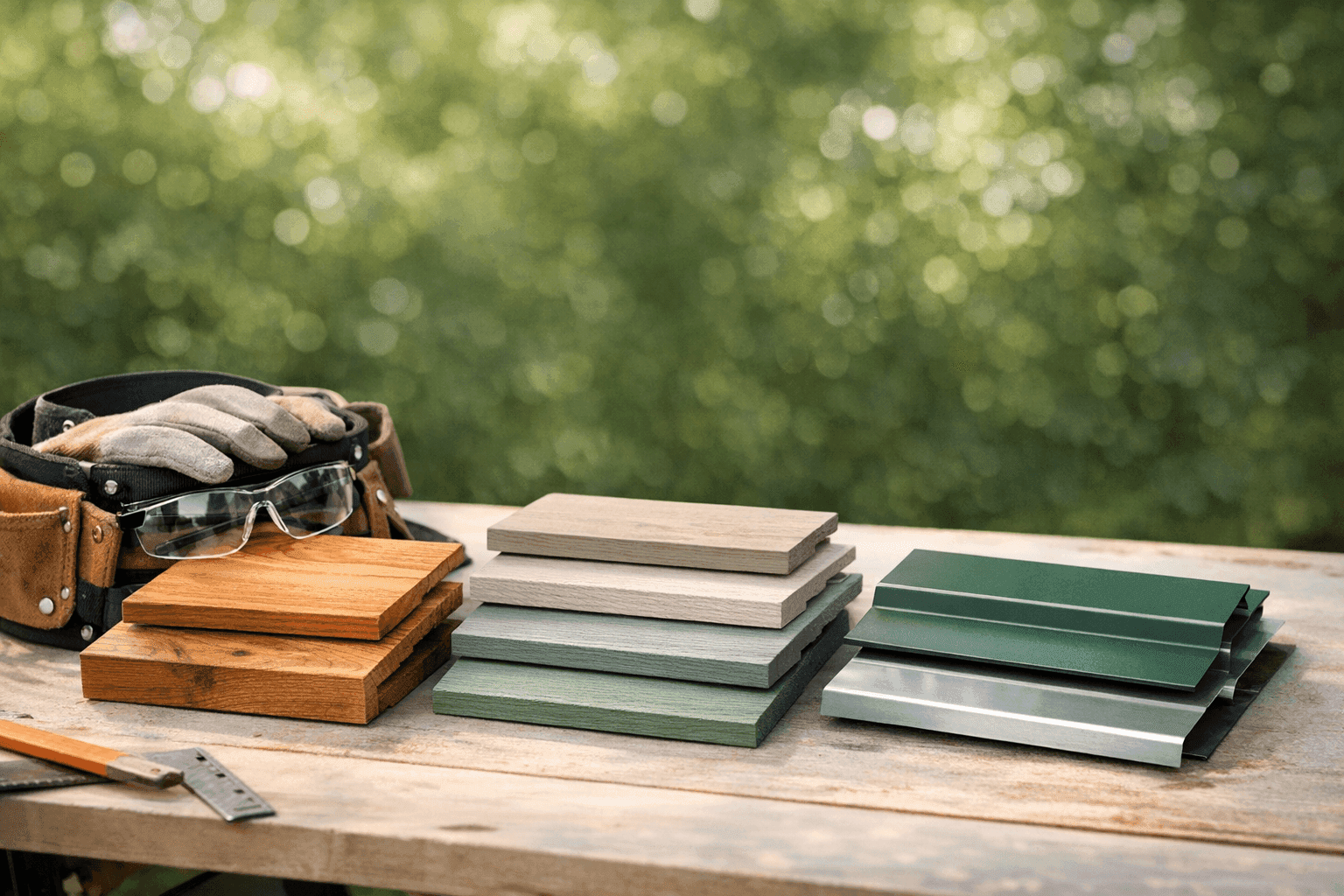
Looking at your house, do you wonder if the siding you see is helping—or hurting—the planet? You’re not alone. As energy costs rise and storms grow stronger, more homeowners are seeking siding that’s tough, beautiful, and gentle on the earth.
At Kroll Siding, we know the world of “green” siding can be overwhelming. Which materials truly last? Which ones shrink your footprint—and your energy bills? Let’s break down what matters, so you can make a decision that feels right for you and your home.
What Makes Siding Eco-Friendly? 🌱
Not all siding is created equal. Some materials promise a lighter impact on forests, water, and the air we breathe. But what really counts as “eco-friendly” siding?
- Sustainable sourcing: Materials made from rapidly renewable or recycled sources.
- Low embodied energy: Less energy used in manufacturing and transport.
- Durability: Siding that stands the test of time means fewer replacements—and less waste.
- Recyclability: At the end of its life, can your siding be reused or recycled?
- Non-toxic finishes: Safer for installers, kids, pets, and the environment.
Look for certifications like GreenGuard, FSC (Forest Stewardship Council), or Cradle to Cradle Certified®. These aren’t just stickers—they’re real, third-party standards you can trust.
Top Sustainable Materials for Siding
Let’s get specific. Here’s how the leading eco-friendly siding options stack up in the real world:
Fiber Cement Siding
Fiber cement is a blend of sand, cement, and cellulose fibers—think of it as the workhorse of sustainable siding. It’s made with abundant natural ingredients, and many brands use recycled content.
- Strengths: Fire-resistant, resists rot and pests, holds color well.
- Longevity: 30–50 years with proper care.
- Sustainability: Lower maintenance means fewer chemicals and replacements over time.
- Certifications: Look for products with GreenGuard or similar labels.
Engineered Wood Siding
Not your old-fashioned wood, engineered wood uses wood fibers and resins pressed into durable boards. Many brands use FSC-certified wood and low-emission binders.
- Strengths: Looks like real wood, but shrugs off moisture, insects, and impact.
- Longevity: 20–30 years with maintenance.
- Eco Impact: Uses wood byproducts and can often be recycled.
Recycled Metal Siding
Aluminum and steel siding aren’t just for commercial buildings. Today’s metal panels are lightweight, rust-resistant, and often made from up to 90% recycled content.
- Strengths: Virtually fireproof, immune to rot, reflects heat.
- Lifespan: 40–60 years.
- Sustainability: 100% recyclable at end of life. Low need for repainting or repairs.
Insulated Vinyl Siding
Vinyl’s not perfect, but new insulated options have come a long way. Look for panels with built-in foam backers, which boost efficiency and reduce outside noise.
- Strengths: Affordable, wide color range, resists fading.
- Longevity: 20–30 years.
- Eco Angle: Some brands use post-consumer recycled vinyl and meet GreenCircle certification.
Cost vs. Longevity: What’s the Real Investment?
You might wonder: does green siding really pay off? The answer is rarely black or white. Think of it like buying hiking boots. Cheap ones fall apart, but sturdy, well-made boots protect your feet for years.
- Upfront cost: Recycled metal and fiber cement tend to cost more at installation than vinyl.
- Maintenance: Engineered wood and fiber cement require occasional painting or caulking, but less drastic repairs than traditional wood.
- Replacement cycle: Durable siding means fewer tear-offs, less landfill waste, and lower long-term costs.
- Resale value: Eco-friendly features are now a selling point for many buyers.
A siding material that lasts 40–60 years is less expensive—and less wasteful—in the long run than a cheaper alternative that needs replacing every 10–15 years.
Energy Savings: Siding That Works for Your Home (and the Planet) 🔋
Your siding is like your home’s jacket. The better it insulates, the more comfortable you’ll be in every season—and the less you’ll spend on heating and cooling.
- Insulated vinyl siding can cut heating and cooling costs by up to 20% (according to ENERGY STAR®).
- Fiber cement and engineered wood both help seal out moisture and drafts, especially when paired with modern weather barriers.
- Metal siding reflects radiant heat, keeping homes cooler in hot climates.
Ask about R-values and air-leakage ratings during your siding material consultation. Not every product is right for every house, so let’s find the best fit for your climate and style.
Siding Flashing Repair Near You: Why Maintenance Matters
Even the greenest siding needs a little TLC. Think of maintenance as tuning up your car—regular checks keep things running smoothly and prevent bigger, costlier problems.
- Inspect annually for cracks, gaps, or loose trim.
- Clean gently with water and a soft brush (no harsh chemicals).
- Re-caulk joints and seams as needed, especially after harsh weather.
If you spot signs of weather damage or leaks, don’t wait. Fast Siding Flashing Repair near you can prevent mold, rot, and energy loss.
Real-World Performance: What We See on Local Homes
It’s one thing to read about siding in a brochure. It’s another to see it standing strong after years of sun, wind, and rain. At Kroll Siding, we’ve watched eco-friendly materials outlast their traditional counterparts time and again.
- Fiber cement stands up to hail and fire where wood would char or crack.
- Metal siding shrugs off snow and ice, no warping or swelling.
- Engineered wood keeps its color and shape year after year, even in changing seasons.
We recommend materials that have proven themselves on actual homes—not just in a lab.
Signs Your Current Siding Isn’t Eco-Friendly
Wondering if your old siding is dragging down your home’s efficiency? Here’s what to look for:
- Peeling, cracking, or fading—requiring frequent repainting.
- Warping or swelling after rain.
- Mold or moisture inside wall cavities.
- High heating and cooling bills.
- Visible gaps or missing caulk.
If this sounds familiar, it might be time for an upgrade to a more sustainable, high-performance option.
Safety Checklist: Siding and Indoor Air Quality
Some older siding contains chemicals or finishes that can off-gas or contaminate soil. Modern eco-friendly siding is designed with safety in mind:
- Low-VOC paints and sealants.
- Non-toxic adhesives.
- No asbestos or heavy metals.
Always check for compliance with EPA and local building codes before installing or replacing siding.
DIY or Call a Pro? Siding Installation and Repairs
Siding installation isn’t a typical weekend project. Even the best materials can fail if not installed correctly. Pros know how to:
- Flash windows and doors to prevent water leaks.
- Allow for expansion and contraction with temperature swings.
- Seal seams tight, but let walls “breathe” to avoid trapped moisture.
For storm damage, rot, or tricky repairs, trust a licensed contractor. Your home—and your peace of mind—are worth it.
Siding for Changing Seasons: What to Expect
Eco-friendly siding isn’t just about summer sun. It needs to hold up through freezing winters, soaking rains, and blazing heat.
- Ask about warranties for UV resistance and freeze-thaw cycles.
- Look for materials rated for your region’s wind and hail exposure.
- Consider color—lighter shades reflect heat; darker ones may fade faster.
Our team can help you match the right product to your climate.
Custom Siding Solutions: Beyond the Brochure
Every home is different. Maybe you want a unique color, custom trim, or a mix of materials. Eco-friendly siding comes in a wide array of looks—from classic lap to modern panels.
- Fiber cement can mimic wood, stone, or even stucco.
- Metal panels offer bold, contemporary lines.
- Engineered wood gives warmth and texture without old-school upkeep.
If you have a vision, we can help bring it to life.
Common Mistakes When Choosing Siding
It’s easy to get swept up by flashy marketing or gorgeous photos. But here are pitfalls to avoid:
- Ignoring installation quality: The best siding fails if poorly installed.
- Chasing trends: Choose timeless, not just today’s hot color or texture.
- Skipping on insulation: Good looks matter, but so does comfort.
- Overlooking maintenance: Every material needs some care—know what you’re signing up for.
FAQs: Eco-Friendly Siding, Answered
Does eco-friendly siding cost more?
Usually, yes—at first. But with less maintenance and longer life, the savings add up.
Can I mix different types of siding?
Absolutely. Many homes blend materials for style and performance.
Is recycled siding as strong as new?
Modern recycled-content materials meet or exceed building codes for strength and durability.
Will new siding boost my home’s resale value?
Eco-friendly upgrades are a draw for many buyers, especially when paired with energy savings.
Siding That Matches Your Sustainability Goals
In the end, the right siding is more than a product—it’s a reflection of your values. Whether you want to cut your bills, reduce waste, or simply enjoy a beautiful, resilient home, Kroll Siding is here to guide you.
Not sure which eco-friendly siding is best for you? Start with a siding material consultation. Our team will help you weigh options, costs, and long-term benefits—no pressure, just honest advice.
Call Kroll Siding now — or reach us anytime at 888-892-6286 .