Fiber Cement Siding Installation: The Modern Homeowner’s Choice
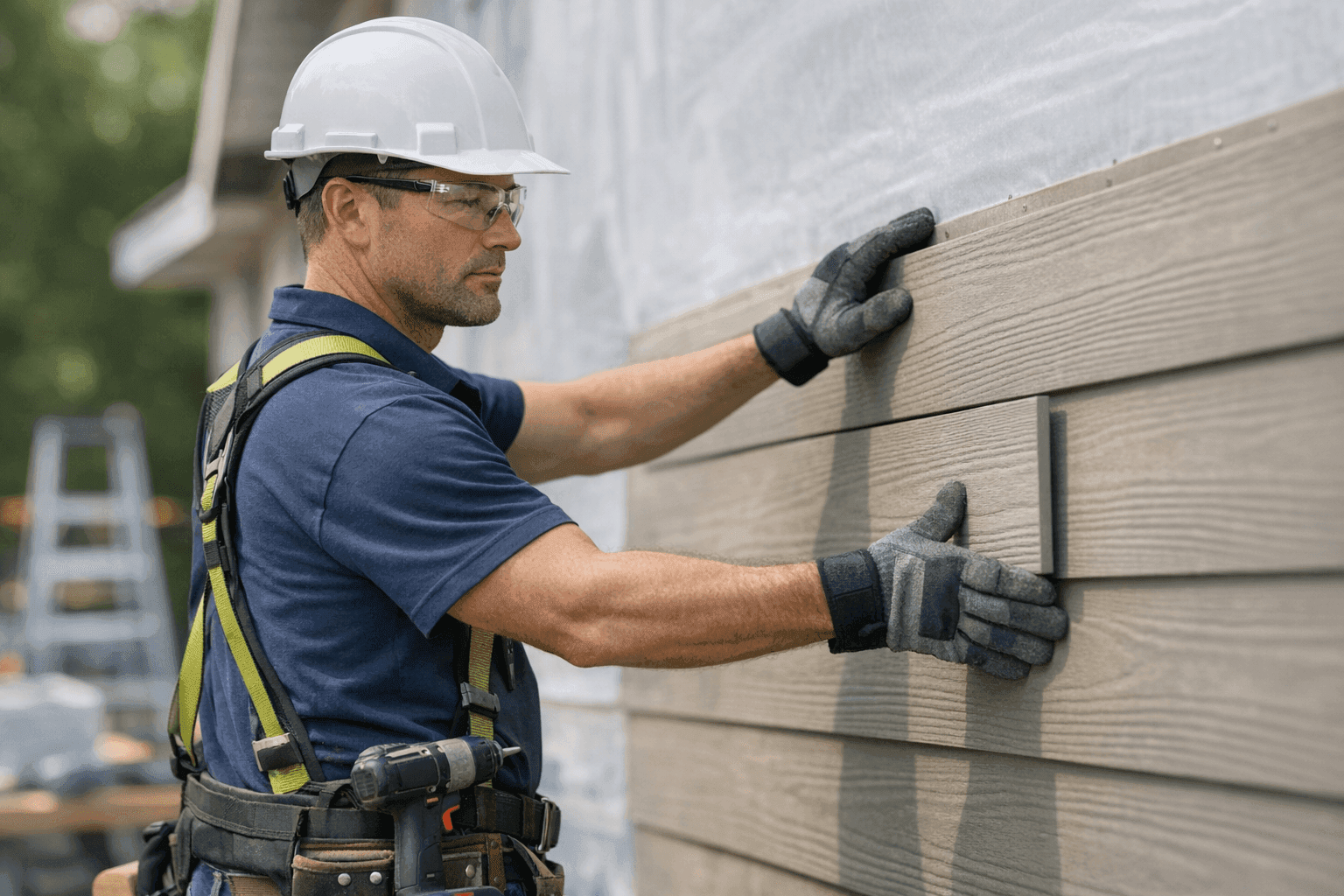
When it comes to protecting your home from the elements, every detail matters. Siding isn’t just about looks—it’s about long-term defense and comfort. If you’re weighing your options, fiber cement siding stands out as a modern solution that balances beauty, resilience, and peace of mind.
At Kroll Siding, we’ve seen firsthand what happens when homeowners settle for less. Water intrusion, warped boards, endless repainting. But it doesn’t have to be that way. Let’s walk through why fiber cement is quickly becoming the first choice for homeowners who want to invest in their property—without regrets.
What Is Fiber Cement Siding?
Think of fiber cement siding as the “armor” for your home’s exterior. It’s made from a blend of cement, cellulose fibers, sand, and water. This mix is pressed into boards or panels that mimic the look of wood, stucco, or even stone—without the high upkeep.
- Durability: Fiber cement won’t rot, warp, or fall prey to termites. According to the International Association of Certified Home Inspectors, it can last 50 years or more with proper care.
- Fire Resistance: It’s non-combustible, earning top marks for fire safety in both residential and commercial settings.
- Weather Protection: From blistering sun to pounding rain, fiber cement holds its own. It resists cracking even in freeze-thaw cycles—crucial in regions with wild temperature swings.
- Low Maintenance: No need to repaint every year. No worrying about swelling or shrinking.
Choosing fiber cement is like picking a sturdy raincoat instead of a thin sweater. It stands up to whatever the forecast throws at it.
The Fiber Cement Siding Installation Process 🏗️
Thinking about new siding? Here’s how the installation journey unfolds with Kroll Siding:
1. Siding Material Consultation
We start with a siding material consultation. This isn’t just a sales pitch—it’s a conversation. We’ll talk about your home’s unique needs, your style preferences, and the climate challenges in your area. Then we help you pick the right profile, color, and finish.
2. Site Preparation & Safety
Before a single board goes up, we:
- Inspect for rot or structural damage underneath old siding
- Check for mold or pest issues
- Review local building codes and manufacturer instructions—think James Hardie or Allura—for compliance and warranty protection
- Set up safety barriers and gear (hard hats, masks, gloves, eye protection)
A clean, secure job site is non-negotiable. The Occupational Safety and Health Administration (OSHA) offers clear guidelines for construction safety—our crews follow them to the letter.
3. Removal of Old Siding
If you’re upgrading, we carefully remove existing materials, taking care not to damage sheathing or insulation. Any surprises—hidden leaks, wood rot—are addressed on the spot.
4. Wall Preparation
Next, we:
- Repair or replace any damaged sheathing
- Add or upgrade weather barriers (house wrap, flashing)
- Confirm all window and door openings are sealed tight
It’s like laying a strong foundation before you build a house.
5. Measuring, Cutting, and Fastening
- Boards are measured and cut precisely using specialized tools (fiber cement is tough—standard saws just won’t cut it)
- Each piece is installed according to strict spacing and fastening patterns. This allows for expansion and contraction with the weather.
- Flashing is installed at every joint and opening—think of it as an umbrella for vulnerable spots.
6. Finishing Touches
Edges are sealed, trim is installed, and caulking is applied at every seam. We offer siding caulking and sealing as part of the process to lock out moisture.
7. Cleanup & Site Review
We respect your home and your lawn. No stray nails. No dust left behind. We’ll walk you through the finished product to ensure every detail meets your expectations.
Maintenance Needs: Keeping Fiber Cement Looking Its Best 🧼
Fiber cement siding is renowned for its easy-care nature, but “low-maintenance” doesn’t mean “no maintenance.” Here’s how to keep it looking sharp year after year:
- Annual Inspection: Walk around your home every spring. Look for cracked caulk, chipped paint, or loose boards.
- Gentle Cleaning: Use a garden hose and soft brush to wash away dirt and pollen. Avoid pressure washers—they can damage the finish.
- Touch-Up Paint: Most fiber cement products hold color for a decade or longer. If you spot fading or chips, a touch-up keeps the curb appeal strong.
- Check Flashing and Seals: Storms and temperature swings can wear down seals. Promptly address any gaps to keep moisture out.
Routine care is like changing the oil in your car. A small effort now prevents big headaches later. For tricky issues—like Siding Flashing Repair near you—call a professional before small problems turn into expensive repairs.
Style Options: Tailored Looks for Every Home 🏡
Fiber cement offers more style options than most homeowners realize. Want the classic look of wood without the risk of rot? Prefer a sleek, modern panel? You’ve got choices.
- Profiles: Plank, shingle, panel, board-and-batten, and more
- Textures: Smooth, woodgrain, stucco, or even “cedar shake” appearances
- Colors: Factory-primed and painted boards come in a rainbow of shades. Custom color consultation is available.
- Trim & Molding: Accent your new siding with crisp trim, bold corners, or subtle moldings for personality
If you’re wondering what’s trending in your area, check out our fiber cement siding installation page for inspiration—or visit our post on Madison siding installation for a look at popular regional styles.
Durability by the Numbers
Homeowners ask: “How long will it last?” Industry sources like the National Association of Home Builders estimate a lifespan of 50+ years for fiber cement siding, with proper installation and maintenance. It resists hail, wind, and even woodpeckers—unlike traditional wood siding.
- Fire rating: Non-combustible (ASTM E136 standard)
- Moisture resistance: Will not swell, warp, or promote mold growth
- Impact resistance: Outperforms vinyl and wood in lab tests
Installer Expertise: Why Experience Matters
Fiber cement is tough—both in a good way (resilience) and a challenging way (hard to cut, heavy to handle). That’s why installation should always be handled by trained professionals.
At Kroll Siding, our crews are:
- Factory-trained in best practices from top brands
- Up-to-date on code requirements and manufacturer warranty terms
- Meticulous about every flashing, fastener, and finish detail
We treat your home like our own—with care, respect, and an eye for craftsmanship.
Warranty Insights: What to Expect
Most fiber cement siding comes with a manufacturer’s warranty, typically 30 to 50 years for the board and 15 years for factory-applied finishes. Kroll Siding also provides workmanship coverage for our installation.
Remember: Proper installation is the key to keeping your warranty valid. Skipping steps or cutting corners can void coverage. Always work with a contractor who knows the guidelines inside and out.
Fiber Cement Siding vs. Other Materials
How does fiber cement compare to vinyl, wood, or stucco? Here’s the short version:
- Vinyl: Cheaper upfront, but less impact-resistant and prone to fading or cracking
- Wood: Gorgeous—but high-maintenance, vulnerable to insects and rot
- Stucco: Durable, but cracks in shifting climates and can be expensive to repair
For homeowners wanting the perfect balance of long life, curb appeal, and protection, fiber cement wins the day.
Quick Safety Checklist for Homeowners
Before any siding project starts, remember:
- Keep kids and pets away from the work zone
- Ensure proper ventilation if paints or sealants are used
- Confirm contractors follow OSHA safety standards
- Don’t attempt DIY installation—fiber cement dust can be harmful without proper gear
Your safety—and your family’s—comes first.
DIY vs. Professional Install: What’s Really at Stake?
Fiber cement isn't like hanging a picture frame. It’s heavy. It requires special saws and respirators. One wrong move, and you risk water leaks or a voided warranty.
For repairs or upgrades, it pays to call in professionals who specialize in siding—especially for things like Siding Flashing Repair near you or complex trim work.
Costs & Time Factors
Every home is unique. Factors affecting cost and timeline include:
- House size and layout
- Old siding removal needs
- Custom details (trim, accents)
- Weather and access
Most fiber cement siding installations take one to two weeks, start to finish. Investing in quality materials and skilled labor means fewer headaches down the road.
When It’s an Emergency
Hailstorm? Fallen tree? Water intrusion after a big rain? Fiber cement resists damage better than most, but no material is invincible. If you see cracks, holes, or loose panels after a storm, call for emergency siding services right away. Quick action prevents bigger repairs later.
Signs of Trouble: When to Call the Pros
Keep an eye out for:
- Cracked or warped boards
- Gaps at seams or around windows/doors
- Peeling paint or mold spots
- Bubbling or swollen areas
These signs mean it’s time for a professional inspection—don’t wait.
Timeline & Disruption: What to Expect
During installation, expect some noise, dust, and daily activity around your home. Crews may need access to driveways and nearby landscaping. Most jobs wrap up quickly, with minimal disruption to your routine.
Common Mistakes to Avoid
- Skipping weather barriers or flashing
- Using the wrong fasteners
- Failing to paint or seal cuts and edges
- Ignoring manufacturer installation guidelines
A little preparation—and the right crew—makes all the difference.
Seasonal Considerations
Fiber cement can be installed year-round, but extreme cold or wet conditions may extend the timeline. Spring and early fall are often the sweet spots for scheduling.
Frequently Asked Questions
Is fiber cement siding eco-friendly?
Yes. Many products use recycled content and last for decades, reducing landfill waste.
How often does it need repainting?
Factory finishes can last 15 years or more. On-site paint jobs may need touch-ups sooner.
Can I install fiber cement over existing siding?
It depends. In some cases, yes—but it’s best to remove old materials for a flawless finish.
Is it worth the investment?
For most homeowners, fiber cement delivers long-term value through durability, curb appeal, and lower upkeep costs.
Is Fiber Cement Siding Right for You?
If you want siding that stands up to wild weather, lasts for decades, and looks sharp year after year, fiber cement may be the perfect fit. Still weighing your options? Our siding material consultation service can help you compare choices side by side.
Ready to upgrade your curb appeal with siding built to last? For more info on regional installation trends, check out our Madison siding installation guide.
Call Kroll Siding now — or reach us anytime at 888-892-6286 .