Fiber Cement vs. Vinyl Siding: Which Is Right for You?
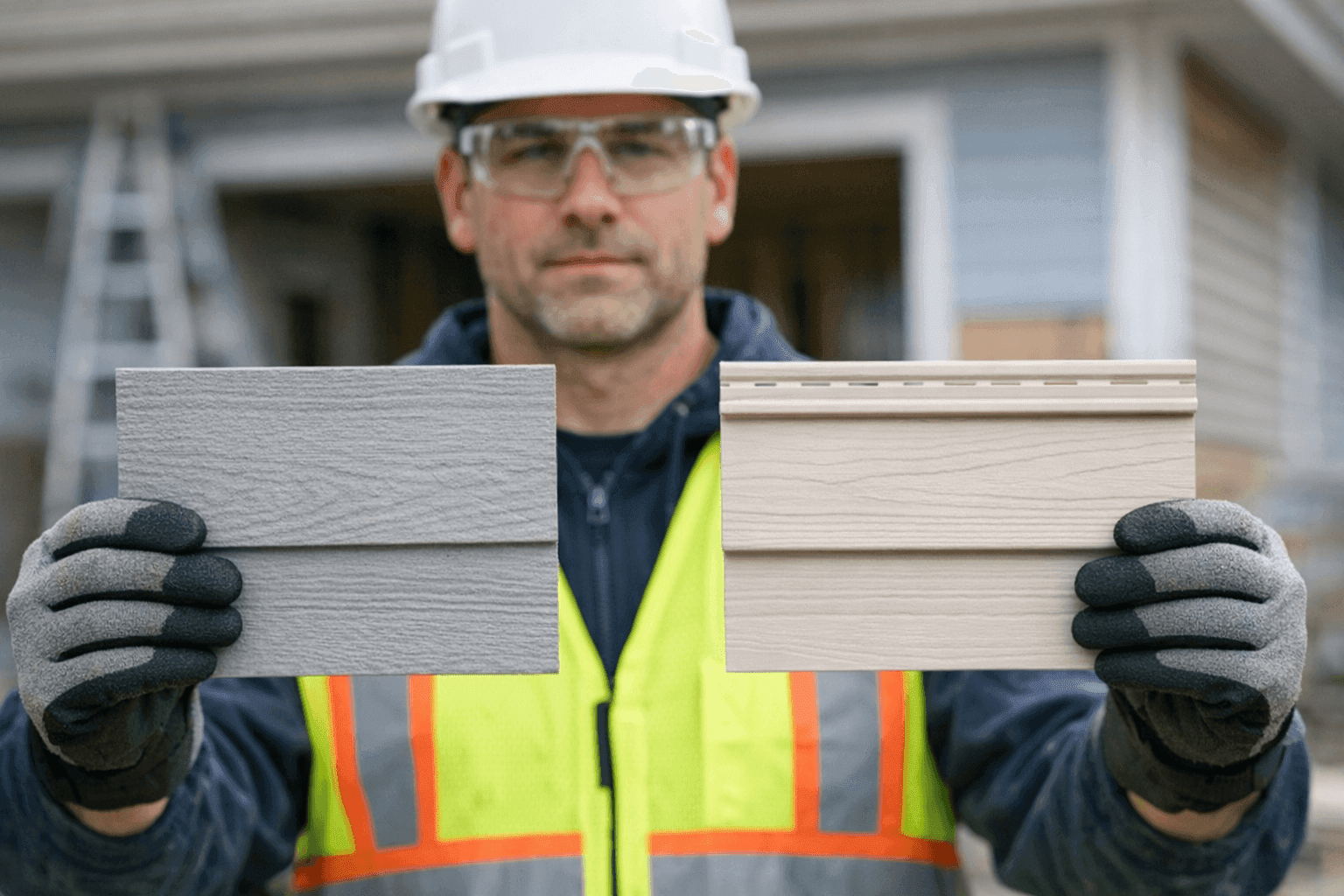
Choosing siding is a big deal. It shapes how your home looks, how long it lasts, and even how much you worry every time a storm blows through. At Kroll Siding, we’ve seen firsthand how the right choice can turn a house into a home—while the wrong one can become a constant headache.
If you’re weighing fiber cement against vinyl siding, you’re not alone. With so many brands and opinions out there, it’s easy to feel lost. This guide breaks down what matters most, with real world insight—not just the glossy brochure promise.
Fiber Cement Advantages
Fiber cement siding is like the sturdy oak tree in your yard. Solid, timeless, and built to handle what nature dishes out. Made from a blend of cement, sand, and cellulose fibers, it’s engineered for resilience.
- Durability: Fiber cement can shrug off hail, wind, and even fire better than most. James Hardie, a leader in the space, rates their products for up to 50 years of service under typical conditions.
- Aesthetics: Want the look of wood, stucco, or a sleek modern finish? Fiber cement delivers. The texture and deep shadow lines stand out, especially on historic homes or high-end designs.
- Pest Resistance: Termites? Woodpeckers? Not a concern. The composite makeup is unappetizing for most critters.
- Fire Rating: Most fiber cement siding is rated non-combustible, meeting or exceeding ASTM E136 requirements.
- Paint Flexibility: You can repaint it over time to refresh your home’s look, unlike some vinyl options.
But, like that sturdy oak, fiber cement is heavy. It needs professional installation and specialized tools. DIY isn’t recommended unless you’re comfortable with dust masks, silica safety, and a lot of heavy lifting.
Vinyl Siding Pros
Vinyl siding is the SUV of home exteriors—versatile, low-maintenance, and always ready for everyday life. It’s made from rigid PVC (polyvinyl chloride) and has become America’s favorite for a reason.
- Affordability: Vinyl is often the most budget-friendly siding material upfront.
- Color Choices: The color runs through the whole panel, so scratches don’t show as much. There’s a rainbow’s worth of options, plus wood-grain textures that mimic real timber.
- Maintenance: Forget annual painting or sealing. A quick wash with a hose or siding cleaning solution keeps it looking fresh.
- Installation: Vinyl is lightweight and can often be installed over existing siding, minimizing disruption.
- Energy Efficiency: Insulated vinyl options offer added R-value, helping with energy bills.
However, vinyl can crack in extreme cold, warp near intense heat sources, and isn’t as fire-resistant as fiber cement. It’s best for homeowners who want a great look with minimal upkeep.
Cost and Maintenance
Let’s talk numbers—and effort.
- Fiber Cement Siding:
- Cost: Installation tends to be higher because of the material’s weight and the need for skilled labor. According to data from the National Association of Home Builders (NAHB), fiber cement usually costs 20–40% more than vinyl.
- Maintenance: You’ll need to repaint every 10–15 years, check caulking and flashing, and sometimes clean tougher stains.
- Vinyl Siding:
- Cost: Lower upfront, with installation often completed in less time.
- Maintenance: Mostly just annual cleaning. No painting. For Siding Flashing Repair near you, minor repairs are usually quick and affordable.
But here’s the real deal: Fiber cement may last longer, which can tip the balance over decades. Consider not just upfront cost, but also the “lifetime cost” including maintenance and potential repairs.
Real-World Longevity
A siding’s true test is time. In the field, both materials have their champions.
- Fiber Cement: Expect 30–50 years of dependable service. With proper siding maintenance and weatherproofing, even longer.
- Vinyl: Most major manufacturers back their products for 20–40 years, though color fading can show sooner in direct sun.
Climate matters, too. Severe storms, hail, or extreme temperature swings can speed up wear and tear. Always ask about warranty terms and read the fine print—they’re not all created equal.
Aesthetic Differences: What You See, What You Feel
Fiber cement is the chameleon of siding. From classic lap to rustic shake to smooth modern panels, it adapts to almost any design. The deeper grooves and thicker profile can add real curb appeal.
Vinyl offers vibrant colors and realistic wood grains. The visual effect is lighter and can look crisp and cheerful on contemporary homes. If you crave a dramatic color, ask for UV-resistant lines to reduce fading.
Want a local perspective? Homeowners looking for siding installation in Columbus often request color consultations to match neighborhood styles—get inspiration and advice here.
Safety and Code Considerations
Safety isn’t just about storms. Did you know many local codes (refer to International Residential Code, Section R302) now require non-combustible siding within certain distances of property lines? Fiber cement often fits the bill.
For DIYers, always wear NIOSH-approved masks when cutting fiber cement to avoid inhaling silica dust. Vinyl installation is less hazardous, but make sure panels are properly fastened to allow for temperature expansion.
DIY vs. Call a Pro
Here’s the truth: Most siding projects are best left to pros. Fiber cement, especially, demands careful handling and precise installation. Vinyl is easier, but small mistakes—like nailing too tight—can create big headaches down the road.
Pros bring more than tools. They know local building codes, flashing techniques, and can spot hidden trouble before it becomes expensive.
Siding Flashing, Caulking, and Weatherproofing
No matter your siding, proper flashing and caulking make the difference between a dry, cozy home and one with costly water damage. Fiber cement requires high-quality, paintable caulk at all joints and penetrations. Vinyl needs special attention at trim, windows, and doors to prevent wind-driven rain from sneaking behind panels.
Both materials benefit from professional Siding Flashing Repair near you to spot and fix weak points before leaks start.
Best Applications: Where Each Material Shines ✨
-
Fiber Cement:
- Historic homes, high-end builds, or anywhere fire resistance is a concern.
- Areas with termite or woodpecker problems.
- When you want a painted finish or a custom look.
-
Vinyl Siding:
- Quick upgrades or budget-conscious projects.
- Large residential developments needing fast, consistent installation.
- Homeowners who want “set it and forget it” exteriors.
Common Mistakes—and How to Dodge Them
- Skipping the Underlayment: Both materials require proper moisture barriers. Don’t let shortcuts invite mold.
- Ignoring Expansion Gaps: Vinyl expands and contracts with temperature swings. Gaps too tight? Panels buckle.
- Neglecting Flashing: Water is sneaky. Skimp on flashing and leaks often follow.
- Painting Vinyl: Not all vinyl is designed to be painted; check manufacturer guidelines first.
Seasonal Considerations
Install in fair weather if possible. Fiber cement can be tricky in freezing temps. Vinyl becomes brittle and harder to cut cleanly when cold.
- Spring/Fall: Ideal for most siding projects. Mild temps mean easier handling and fewer installation delays.
Insulation and Energy Efficiency
Both materials can boost energy performance, especially when paired with high-quality insulation. Ask your installer about options for insulated vinyl siding or integrating rigid foam behind fiber cement for extra R-value.
For expert fiber cement siding installation or to learn about vinyl siding installation, Kroll Siding can help you create a durable, energy-smart exterior.
How to Know When It’s Time to Replace Your Siding
- Cracks, warping, or holes in panels.
- Mold or mildew that keeps coming back.
- Rising energy bills that point to poor insulation.
- Visible rot or pest damage (rare with fiber cement, but possible with other materials underneath).
Annual siding inspection is your best insurance policy.
What to Expect: Timeline and Disruption
- Vinyl: Most homes are done in 1–2 weeks, weather permitting.
- Fiber Cement: Expect 2–3 weeks, due to heavier material and more labor steps.
Professional crews keep disruption to a minimum. Ask about jobsite cleanup and safe disposal of old siding.
Siding Warranty Services and Long-Term Value
Both fiber cement and vinyl come with strong manufacturer warranties when installed correctly. Keep records, follow maintenance guidelines, and schedule periodic siding inspection to keep your coverage valid.
Final Thoughts: Which One Is Right for You?
If you want maximum durability, fire resistance, and a custom look, fiber cement is tough to beat. For budget-friendly, low-maintenance good looks, vinyl siding is a proven winner.
Still undecided? Let Kroll Siding help you weigh your options, from siding material consultation to a precise, professional installation.
Call Kroll Siding now — or reach us anytime at 888-892-6286 .