The Homeowner’s Guide to Siding Lifespan
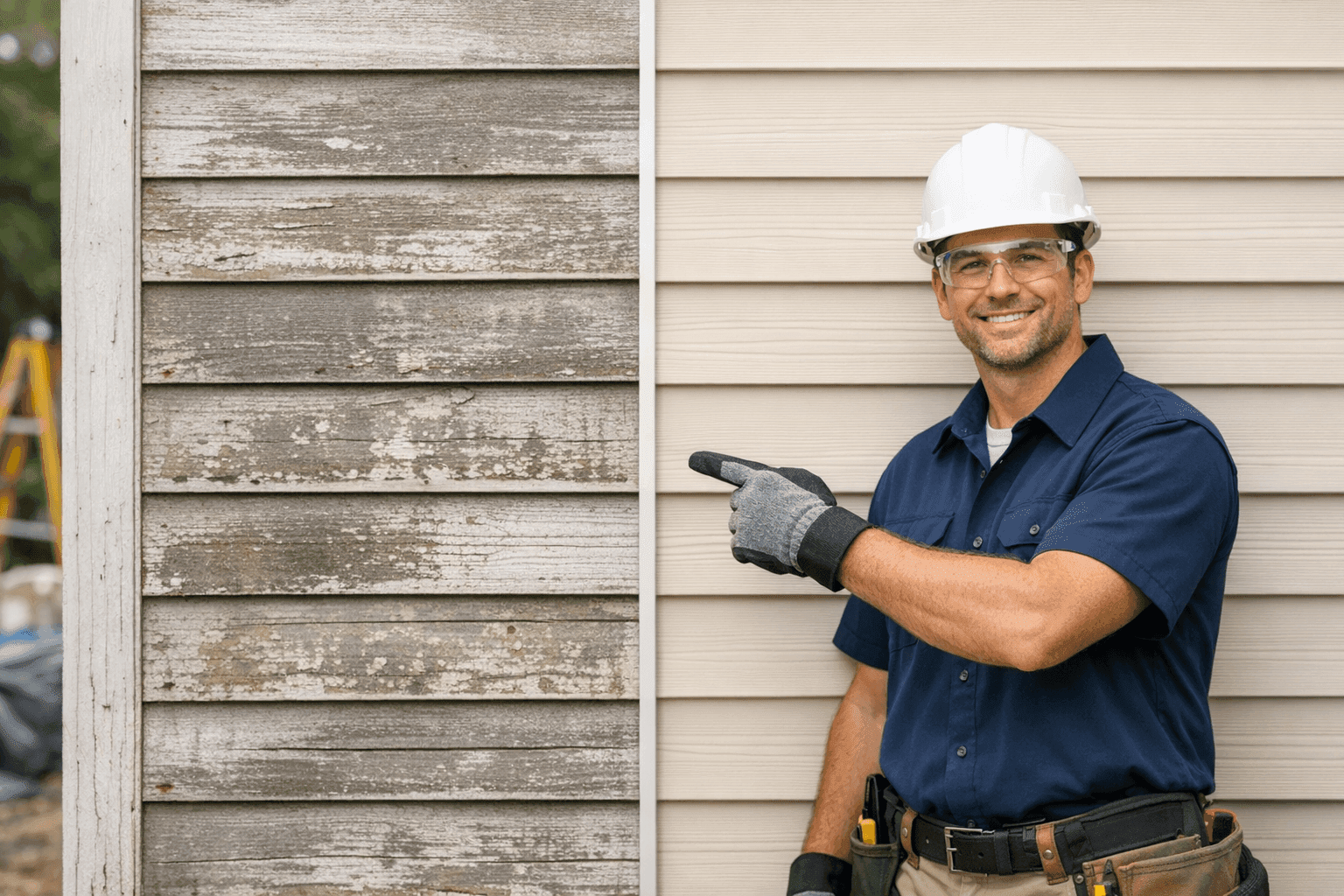
Owning a home means keeping a watchful eye on everything that shields you from the elements. Siding is like your house’s armor—protecting against wind, rain, and time itself. But even armor wears down eventually.
How long will your siding last? What can you do to stretch those years and avoid costly headaches? At Kroll Siding, we know these are questions that keep homeowners up at night. Let’s break down what you need to know, so you can plan repairs or replacements confidently—and keep your home’s curb appeal sharp.
Siding Lifespan by Material
Not all siding wears its years the same way. Here’s how long you can expect the most common types to last, based on manufacturer data and real-world experience.
Vinyl Siding
Vinyl siding is the reliable workhorse of home exteriors. According to industry leaders like the Vinyl Siding Institute, well-installed and maintained vinyl can last 20–40 years. Its secret? Resistance to rot and insects. But it can crack or fade with time, especially if you live where the sun doesn’t take days off.
Wood Siding
There’s nothing quite like the warmth of real wood. Cedar, pine, and redwood each bring unique grain and charm. But this beauty comes with a price: maintenance. The International Association of Certified Home Inspectors (InterNACHI) notes that wood siding can last 15–40 years—sometimes more with frequent painting, staining, and caulking. Neglect it, and you’ll see problems sooner.
Fiber Cement Siding
If you want the look of wood without the same upkeep, fiber cement is a solid bet. James Hardie, a major manufacturer, reports lifespans of 30–50 years. Fiber cement shrugs off fire, rot, and pests, but it’s heavy—so installation and flashing repair matter.
Metal Siding
Steel and aluminum siding can stick around for 40 years or more. They laugh at bugs and won’t burn, but hail and salty air can leave dents or corrosion behind. Periodic cleaning and touch-up painting help keep that shine.
Stucco Siding
Traditional stucco is known for its resilience and timeless look. Properly mixed and applied, it can endure for 50–80 years. But it’s not invincible—cracks and water infiltration can shorten its run, especially in climates with heavy freeze-thaw cycles.
What Shortens Siding Life
Think of siding like a raincoat. If it’s torn, dirty, or worn thin, it won’t keep you dry. Here are the biggest threats:
- Moisture Intrusion: Poor caulking, failed flashing, or missing gutters lead to rot, swelling, and mold. This is where a siding inspection near you pays off.
- UV Damage: Sunlight fades colors and weakens material, especially in southern exposures.
- Impact: Hail, flying debris, or wayward baseballs can crack or dent siding, opening the door to water and bugs.
- Improper Installation: Gaps, buckling, or loose panels make your siding an easy target for the elements.
- Pests: Termites and carpenter ants love wood, while birds sometimes nest behind loose siding.
- Harsh Cleaning: Pressure washers can push water behind panels or damage the finish.
Homeowners in regions with drastic temperature swings or heavy storms should be especially vigilant. The U.S. Department of Energy also advises checking for insulation issues behind siding, since poor insulation can lead to condensation and hidden decay.
Maintenance for Longevity 🛠️
Think of maintenance as an annual checkup for your home’s exterior. A little effort goes a long way.
- Clean Annually: Use a garden hose and soft brush for vinyl and metal. Avoid harsh chemicals or pressure washers unless the manufacturer says it’s safe.
- Inspect Joints and Seams: Check caulking and flashing every spring and fall. Repair cracks or gaps promptly.
- Paint or Stain Wood: Every 3–7 years, depending on exposure and paint quality. Look for peeling, blistering, or bare spots.
- Monitor for Pests: Keep shrubbery trimmed, and inspect for insect tunnels or nests.
- Gutter Maintenance: Clean and repair gutters to prevent water from running down siding or pooling near the foundation.
- Ventilation and Insulation: Ensure attics and walls are properly ventilated to avoid trapped moisture and condensation.
For a tailored plan, ask about siding maintenance services. Professionals can spot problems before they grow.
Signs of Trouble
How do you know your siding is nearing the end of its rope? Watch for:
- Warping or buckling panels
- Soft or spongy wood
- Cracks, gaps, or loose sections
- Faded, peeling, or blistering paint
- Mold, mildew, or green stains
- Rising energy bills (a sign of poor insulation or hidden leaks)
If you spot any of these, it’s time for a closer look.
When to Replace
There’s a point where repair is just a band-aid. Consider full siding replacement if:
- Damage is widespread, not just in small areas
- Rot or mold keeps coming back after repairs
- The siding is 30+ years old and showing its age
- Your home’s insulation or weatherproofing needs a boost
- You want to improve curb appeal or resale value
The National Association of Home Builders (NAHB) recommends budgeting for siding replacement every few decades, depending on material and climate.
Quick Safety Checklist for Homeowners
Before you climb a ladder or start scraping paint, keep these in mind:
- Always use sturdy, properly placed ladders
- Wear safety glasses and gloves
- Be cautious of hidden electrical wires or pests behind old siding
- If in doubt, call a pro—some issues are best left to those with the right gear
DIY vs. Call a Professional
Cleaning and basic inspections are usually within a homeowner’s reach. But repairs involving flashing, caulking, or replacement panels often require experience and specialized tools.
Professionals know how to:
- Spot damage behind the surface
- Handle hazardous materials like lead paint
- Ensure proper waterproofing and ventilation
- Comply with local code and manufacturer warranty requirements
When in doubt, an inspection by a certified siding contractor can save time, money, and headaches down the road.
What Pros Do On Arrival
Kroll Siding’s team doesn’t just glance at your home’s exterior. We:
- Check for hidden moisture with specialized meters
- Inspect flashing, caulking, and ventilation
- Look for signs of insect damage or structural issues
- Review color and material for signs of UV wear
We’ll talk you through your options in clear language, not jargon.
Seasonal Considerations
Each season brings its own siding challenges:
- Spring: Inspect after winter freeze-thaw cycles. Look for cracks or heaving.
- Summer: Watch for fading or warping from intense sun.
- Fall: Clear gutters and inspect for storm damage.
- Winter: Check for ice dams and moisture buildup.
Regular attention in every season keeps major headaches at bay.
Costs & Time Factors
Siding replacement is a big investment, but waiting too long can make it even bigger. Costs depend on material, labor, and how much needs replacing. Repairs are usually faster and cheaper, but only if the underlying structure is sound.
Plan for:
- Inspection and minor repairs: a few hours to a day
- Full replacement: several days, depending on home size and material
Factor in weather delays, especially for exterior work.
Materials and Equipment Needed
For basic upkeep:
- Soft brushes and mild detergent
- Caulking gun and exterior-grade caulk
- Replacement nails or fasteners
- Safety gear (gloves, goggles, dust mask)
- Garden hose or low-pressure washer
For major repairs or replacement, professional-grade tools and expertise are best.
Common Mistakes to Avoid
- Ignoring small cracks or loose panels—they invite water and pests
- Painting over mold or rot instead of properly repairing
- Using incompatible cleaners that damage finishes
- Delaying gutter cleaning and allowing water to pool
- Attempting major repairs without the right knowledge or safety gear
Siding and Climate: What Matters Where You Live 🌦️
Homes in humid, rainy climates need vigilant moisture control. In dry, sunny regions, UV resistance and colorfastness matter more. If you’re in an area with frequent storms or hail, impact-resistant siding like fiber cement or metal pays off.
For those searching “Siding Flashing Repair near you,” remember: choosing the right type and maintaining it for your specific environment can double its life.
FAQ: Siding Lifespan and Care
How do I know if my siding is at the end of its life?
Look for widespread damage, soft spots, frequent repairs, or a tired appearance.
Will painting extend my siding’s life?
For wood, yes—if you prep and paint regularly. For vinyl, only use paint made for plastics.
Is new siding a good investment?
Absolutely. It can boost curb appeal, energy efficiency, and even resale value. The Remodeling 2024 Cost vs. Value Report ranks siding replacement among the best returns for exterior projects.
What if I have more questions or need a local pro?
If you’re looking for siding installation or siding repair in Marion, check out our Marion siding services for expert help.
Timeline & Disruption
Most siding repairs are done in a day or two. Full replacement takes longer, especially if weather or structural repairs are involved. We always aim to minimize disruption—keeping you informed every step of the way.
Plan Ahead: Protect Your Home’s Investment
Siding is more than just a pretty face for your house. It’s protection, insulation, and peace of mind. Knowing what shortens its life—and how to care for it—puts you in control. Whether you need a professional inspection, routine maintenance, or a full upgrade, Kroll Siding is here to help you plan, protect, and enjoy your home for decades to come.
Call Kroll Siding now — or reach us anytime at 888-892-6286 .