How Insulation Installation Impacts Siding Performance
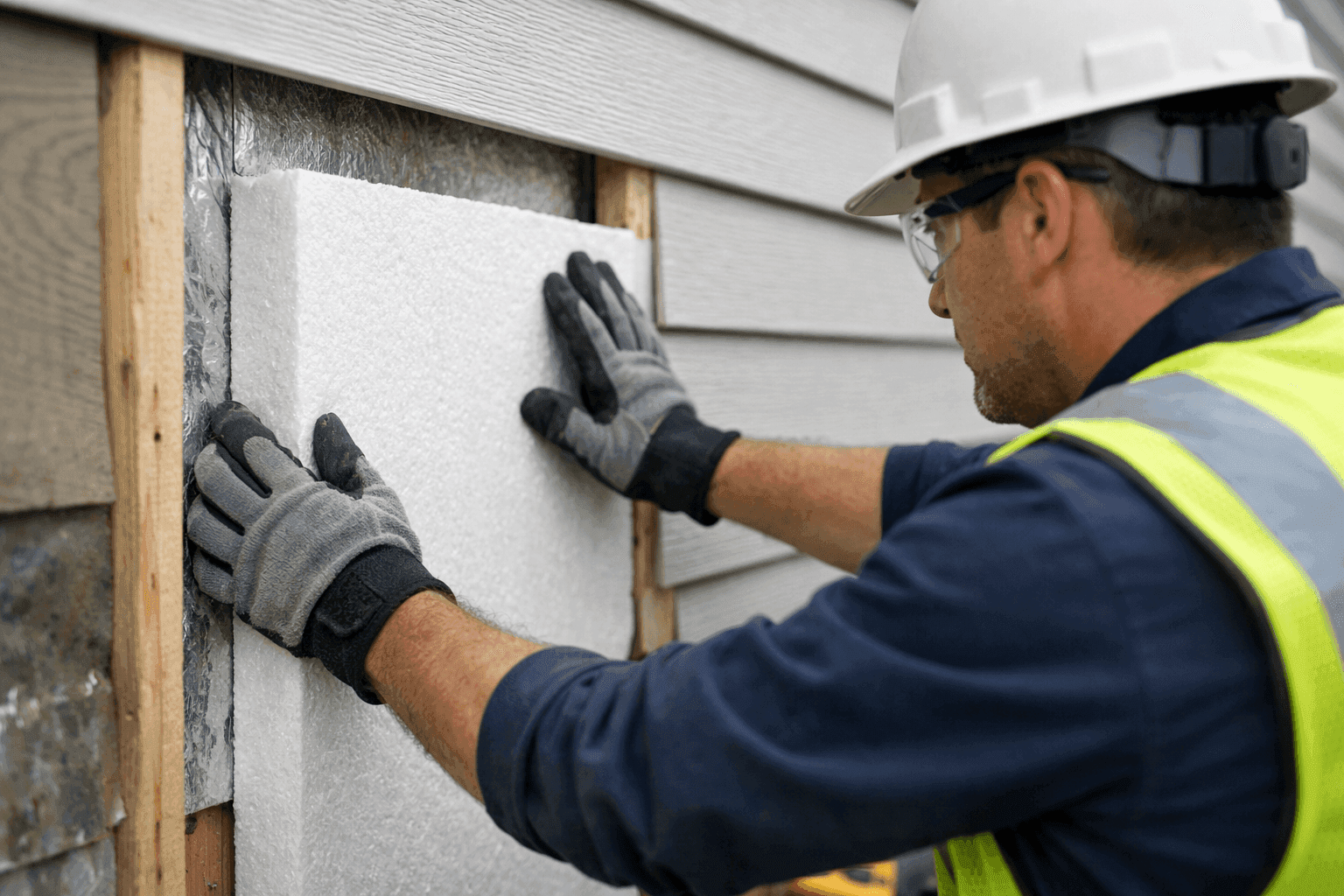
If your siding feels drafty in winter or overheated in summer, you’re not alone. Many homeowners notice these extremes but rarely connect the dots between insulation and siding performance. At Kroll Siding, we see it every day—small gaps or missing insulation quietly raise your energy bills and chip away at your comfort.
Insulation isn’t just a layer behind your walls. It’s the unsung hero of home comfort, weather protection, and siding longevity. Let’s break down why insulation matters, what options exist, and how it all comes together to transform your siding from a shield into a true fortress.
Why Insulate With Siding? 🏠
Imagine your home as a warm mug of cocoa on a cold day. Siding is the cup—protective but not always enough. Insulation is the lid that keeps the heat in and the drafts out.
Here’s why insulation matters alongside siding:
- Energy Efficiency: The U.S. Department of Energy notes that proper insulation can cut heating and cooling costs by up to 15%. That’s real money, month after month.
- Moisture Control: Insulation helps keep condensation out, which means fewer worries about rot, mold, and warped siding.
- Sound Reduction: A well-insulated wall is quieter—blocking out street sounds and noisy neighbors.
- Enhanced Durability: Insulation reduces the strain on siding, so panels last longer and resist damage from wild temperature swings.
If you’re searching for “Siding Flashing Repair near you,” don’t overlook insulation’s role in keeping those repairs from coming back.
Types of Siding Insulation: What Works Best?
Not all insulation is created equal. Choosing the right type depends on your home’s needs, climate, and budget.
- Rigid Foam Board: Thin, strong, and moisture-resistant. Popular for new construction and upgrades under vinyl or fiber cement siding.
- Spray Foam: Expands to fill gaps, making it great for odd shapes or retrofitting older homes. Excellent air barrier, but professional installation is a must.
- Blown-in Cellulose: Eco-friendly and great for filling nooks and crannies in existing walls. Works well with both wood and metal siding.
- Mineral Wool: Highly fire-resistant and effective at sound dampening. Often used where fire risk is a concern.
Each option has strengths. Rigid foam is like armor; spray foam is a custom-fit winter jacket. At Kroll Siding, we match insulation types to both your siding and your goals.
The Installation Process: Step by Step
Insulation installation is more than just stuffing materials behind panels. It’s a careful process:
- Assessment: We inspect your current siding, look for gaps, damage, or moisture, and measure wall cavities.
- Material Selection: We recommend the right insulation for your siding material and local weather.
- Preparation: Siding panels are carefully removed or loosened. Old, damaged insulation is cleared out.
- Insulation Placement: Boards are cut to fit, spray or blown materials are applied, and every gap is addressed.
- Moisture Barrier: We install vapor or weather barriers as needed, critical for siding-weatherproofing.
- Reassembly: Siding panels are reinstalled with precision, ensuring no gaps or uneven finishes.
- Final Inspection: Every seam and corner is checked—because one missed spot can mean a cold draft or future leak.
How Insulation Prevents Common Siding Issues
Without insulation, siding is like a raincoat with holes. Here’s what proper insulation helps you avoid:
- Warping & Buckling: Insulation evens out temperature swings, so siding doesn’t expand and contract as much.
- Mold Growth: By blocking moisture from entering the wall cavity, insulation keeps things dry and healthy.
- Pest Intrusion: Sealed gaps mean fewer ways for bugs or critters to get inside.
- Paint Failure: Insulation helps maintain stable wall temperatures, so your siding paint or finish lasts longer.
Safety Checklist Before Insulation Work
Safety is always step one. Before any installation:
- Confirm all electrical wiring and plumbing are mapped out to avoid accidental damage.
- Use protective equipment—dust masks, gloves, and eyewear.
- Check for any signs of mold or water damage; these need remediation before insulation goes in.
- Follow local building codes. The International Residential Code (IRC) sets clear standards for insulation and siding assemblies.
DIY or Call a Pro?
Some insulation, like batt or blanket, seems simple. But siding insulation is a different beast. Removing or reinstalling siding panels carries real risks—damaging weather barriers, voiding warranties, or missing hidden trouble spots.
A pro brings:
- The right tools for safe panel removal and installation.
- Knowledge of material compatibility.
- Access to high-quality products.
- A sharp eye for issues that could sneak up later.
If you want insulation that lasts—and siding that performs—professional help is the way to go.
What Pros Do When They Arrive
Kroll Siding crews follow a proven plan:
- Inspect exterior walls and existing insulation.
- Protect landscaping and entryways.
- Remove panels with care, minimizing disruption.
- Address structural or water damage as needed.
- Install insulation to manufacturer and code specs.
- Replace siding, ensuring tight seams and clean lines.
- Final walkthrough—inside and out.
Preventative Maintenance After Insulation
Good insulation is set-and-forget, but a little attention keeps it top-notch:
- Inspect your siding annually for cracks or loose panels.
- Watch for signs of moisture—staining, musty smells, or peeling paint inside.
- Clean siding regularly to prevent debris buildup.
- Schedule periodic siding inspection if you’re in an area with harsh winters or heavy storms.
Costs: What to Expect
Insulation costs vary by material and home size. Rigid foam and spray foam are pricier but offer better energy savings. Blown-in is budget-friendly for existing homes. Remember, investing in insulation pays off through lower utility bills and fewer repairs.
When It’s an Emergency
Storm damage, animal intrusion, or sudden drafts? Sometimes insulation can’t wait. Emergency siding services ensure your home is protected fast, and insulation is restored before bigger issues develop.
FAQ: Common Insulation & Siding Questions
Q: Can I add insulation to existing siding?
Yes. Many options—like blown-in or spray foam—can be retrofitted without full panel removal.
Q: Does insulation affect siding warranties?
Sometimes. That’s why Kroll Siding follows manufacturer guidelines for insulation installation.
Q: How long does it take?
Most projects are completed in 1–3 days, depending on home size and complexity.
Seasonal Considerations: Timing Your Project
Spring and fall are prime times for insulation upgrades. Temperate weather means less disruption, and you’ll feel the benefits right away when temperatures swing.
Common Mistakes to Avoid
- Ignoring small gaps or cracks before installing insulation.
- Skipping vapor barriers in humid climates.
- Overstuffing insulation, which can cause bulging or gaps in siding.
- Using incompatible materials that trap moisture or create fire risks.
Signs Your Siding Needs Better Insulation
- Uneven indoor temperatures or cold spots near walls.
- Noticeable drafts, even with windows closed.
- Siding that looks warped, faded, or has peeling paint.
- Higher energy bills for no clear reason.
If you notice these, it’s time for an insulation checkup.
Timeline & Disruption: What to Expect
Most insulation jobs are quick, but you’ll want to plan for some noise and activity outside your home. Our crews keep work areas tidy and minimize time your home is exposed.
Long-Term Benefits: Why It’s Worth It
Insulation isn’t a quick fix—it’s an investment in your comfort and your home’s health.
- Lower Energy Bills: Every season, every year.
- Stronger Siding: Less wear, fewer repairs.
- Healthier Air: Fewer allergens and less mold.
- Peace of Mind: Your siding is protecting what matters most.
Materials & Equipment: What’s Used
- High-R-value insulation materials matched to your climate.
- Weather barriers and vapor retarders.
- Professional-grade fasteners, sealants, and cutting tools.
- Safety equipment for every crew member.
Final Thoughts: Your Next Step
Insulation transforms siding from a simple shell into a high-performance envelope for your home. Whether you’re planning new construction or updating an older home, the right insulation makes all the difference.
Ready to boost comfort, lower bills, and extend the life of your siding?
Call Kroll Siding now — or reach us anytime at 888-892-6286 .