How Often Should You Inspect Your Home’s Siding?
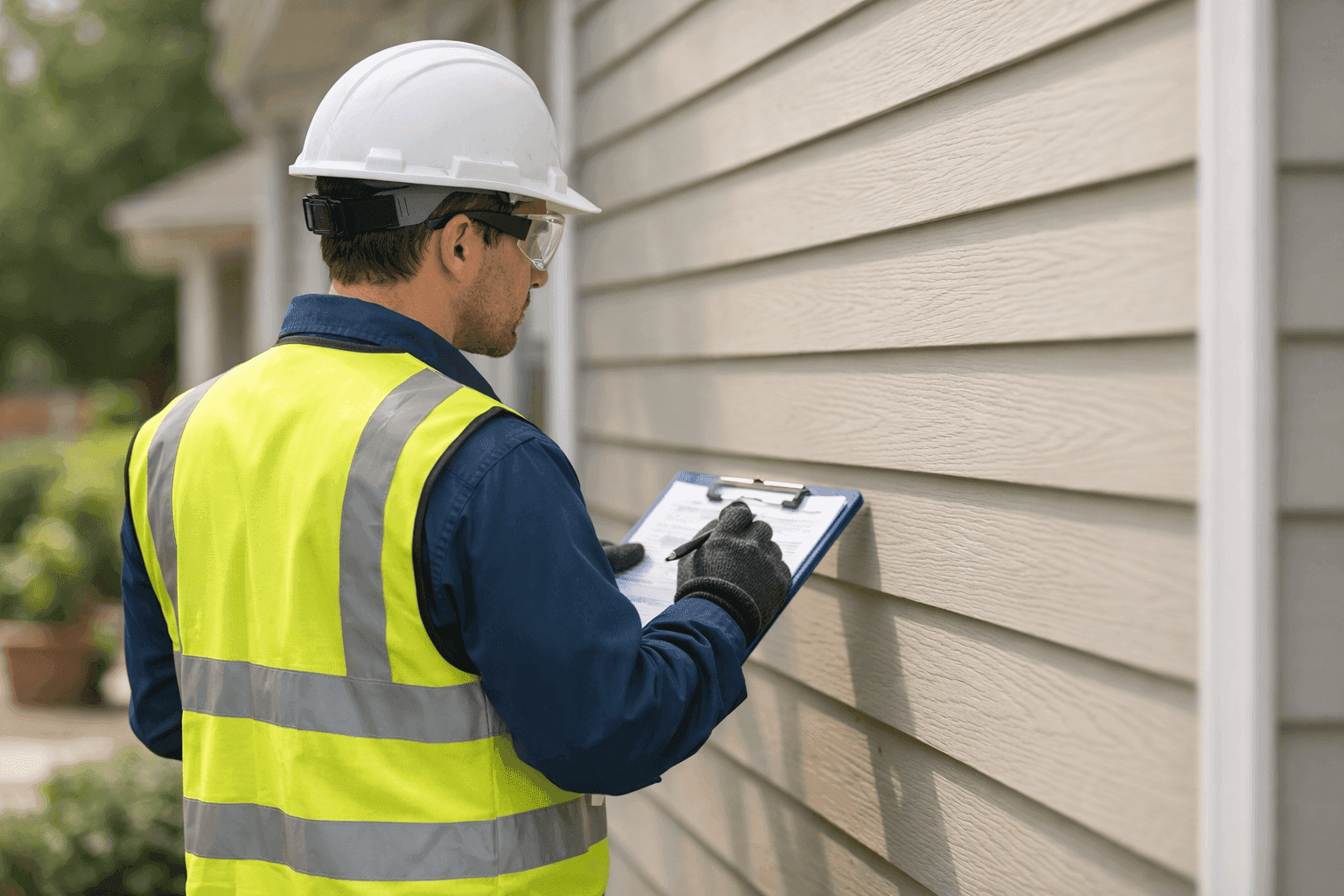
Keeping your home wrapped in strong, healthy siding is like keeping a roof over your family’s head—literally and figuratively. At Kroll Siding, we know the little things homeowners spot early can mean the difference between a minor fix and a major headache.
Siding works silently, shielding your house from rain, wind, sun, and more. But it’s not invincible. So, how often should you inspect your home's siding? Let’s break it down, material by material, season by season.
Why Siding Inspections Matter
Think of siding like the armor of your house. Time, weather, and everyday wear can chip away at that protection. Regular inspections help you catch cracks, warps, and leaks before they become larger problems—saving money and stress down the line.
When to Inspect: The Short Answer
- Vinyl Siding: Twice a year—spring and fall.
- Wood Siding: Every season (four times a year).
- Metal Siding: Twice a year, plus after major storms.
- Fiber Cement Siding: At least once a year, ideally after winter.
But don’t stop there—extreme weather, visible damage, or big temperature swings might call for extra checkups.
Siding Types and Inspection Intervals
Vinyl Siding
Vinyl siding is tough, but not bulletproof. Check it twice a year, ideally in spring (after winter’s freeze-thaw) and fall (before winter sets in). Watch for:
- Cracks or holes from hail or flying debris
- Warping or buckling, especially near heat sources
- Loose panels or gaps at seams
Wood Siding
Wood is beautiful but needs more TLC—like a classic car. Inspect every season. Look for:
- Peeling paint or soft spots (possible rot)
- Insect tunnels or sawdust piles (signs of pests)
- Shifting boards or open seams
Metal Siding
Metal is strong, but dents and rust can sneak up. Inspect every six months, and after hail or windstorms. Spot:
- Dents or scratches that expose bare metal
- Rust patches, especially near fasteners
- Loose or rattling panels in high wind
Fiber Cement Siding
Fiber cement is rugged, but joints and caulking can wear. Inspect annually, plus after severe weather. Focus on:
- Cracks around windows, doors, or joints
- Fading paint or caulking gaps
- Water stains or swelling
How Climate Impacts Inspection Schedules 🌦️
Live in a wet, windy, or humid area? Bump up your inspection routine. Regions with heavy rainfall, snow, or hurricanes can wreak havoc on siding—moisture finds its way into any crack. Dry, sunny climates can fade and dry out materials, especially wood. Adjust your schedule if you’ve had a rough season.
What to Check Each Season
Spring
Winter can leave behind hidden damage. In spring, check:
- Mold, mildew, or algae growth
- Water stains or streaks
- Loose gutters or soffit pieces
Summer
Sun and storms both stress siding. Inspect for:
- Color fading or chalkiness (especially on vinyl or fiber cement)
- Warping from heat
- Insect activity behind panels
Fall
Get ready for winter. Look for:
- Peeling paint or caulk
- Gaps around windows and doors
- Debris in gutters or near foundation
Winter
Snow and ice can weigh down siding and trim. If safe, check for:
- Ice dams near roofline
- Damage from plows or snow blowers
- Lingering moisture or soft spots
What Are the Red Flags?
No two homes are the same, but these warning signs mean it’s time to act fast:
- Bulging or sagging panels
- Soft or rotted wood
- Rust stains or powdery residue
- Insects swarming or nesting behind siding
- Gaps big enough for a pencil to fit
If you spot any of these, don’t wait—these are the canaries in your siding coal mine.
DIY vs. Calling in a Pro
Some things are safe to check yourself: loose panels, missing caulk, or simple discoloration. But if you need a ladder, or if you find something that looks serious, it’s safer (and smarter) to call a siding professional.
Pros use trained eyes and specialized tools. At Kroll Siding, our inspection process covers places most homeowners can’t see—like flashing, soffits, and hidden seams. We also reference guidelines from the International Residential Code (IRC) and ASTM standards to keep your home compliant and safe.
Quick Siding Inspection Checklist
- Walk the entire exterior slowly
- Look at joints, seams, and edges
- Check for loose, missing, or damaged panels
- Inspect caulking and paint
- Examine around doors, windows, and vents
- Peek behind bushes and under eaves
What Happens During a Pro Siding Inspection?
A professional inspection digs deeper than a quick walk-around. Here’s what to expect:
- Visual Sweep: Checking all visible surfaces, including trim, molding, and flashing.
- Moisture Detection: Using tools to spot hidden leaks.
- Ventilation Check: Ensuring soffits and attic vents allow proper airflow.
- Material Evaluation: Assessing each panel’s integrity and finish.
- Documentation: Providing a written report with findings and recommendations.
Prevention and Siding Maintenance Tips
- Clean siding at least once a year (gentle soap and water for vinyl or fiber cement; special cleaners for wood)
- Trim trees and shrubs away from your house
- Keep gutters clean and securely attached
- Re-caulk joints and seams as needed
- Touch up paint or protective finishes to seal out moisture
For more on keeping your siding fresh, see our siding maintenance tips.
When Is It an Emergency?
If you see water leaking indoors, siding panels missing after a storm, or large sections hanging loose, don’t wait. Call for emergency siding services immediately. Fast action can prevent structural damage or mold growth.
Common Mistakes Homeowners Make
- Ignoring minor cracks or holes (“I’ll fix it next year…”)
- Skipping annual inspections
- Cleaning with a pressure washer (can force water behind panels)
- Painting over rot or rust instead of repairing it
Siding Flashing Repair: Why It Matters
Flashing is like your siding’s umbrella—redirecting water away from vulnerable seams. Damaged or missing flashing can cause leaks and mold. If you suspect flashing issues, search for “Siding Flashing Repair near you” or ask us for a targeted inspection.
Siding Inspection: Costs and Time
A thorough siding inspection is usually quick—most homes take 1-2 hours. Costs vary by region and home size, but catching problems early always saves in the long run.
Looking for a reliable siding inspection for your home? Our team at Kroll Siding can help you stay ahead of the next storm.
Siding Inspections in Your Area
If you’re looking for a high-value siding inspection in Decatur, check out our services for siding repair and upgrades in Decatur—and see how proactive care can keep your home beautiful and protected year-round.
FAQs
How often should I inspect my vinyl siding?
Twice a year—spring and fall are best.
Can I inspect my siding myself?
Absolutely, for basic checks. For anything needing a ladder or if you find damage, call a pro.
What’s the most common siding problem?
For vinyl, it’s cracks and warping. For wood, it’s rot and insect damage. For metal, rust and dents. Fiber cement? Cracks and failing caulk.
How do I know if my siding needs replacing?
If you see widespread rot, multiple missing panels, or water getting inside, it’s time for replacement.
Final Thoughts
Regular siding inspections are like oil changes for your home—necessary, affordable, and a lot less stressful than waiting for a breakdown. Whether your house is clad in vinyl, wood, metal, or fiber cement, proactive checks keep your home secure and your mind at ease.
Call Kroll Siding now — or reach us anytime at 888-892-6286 .