How Siding Protects Your Home from Weather Extremes
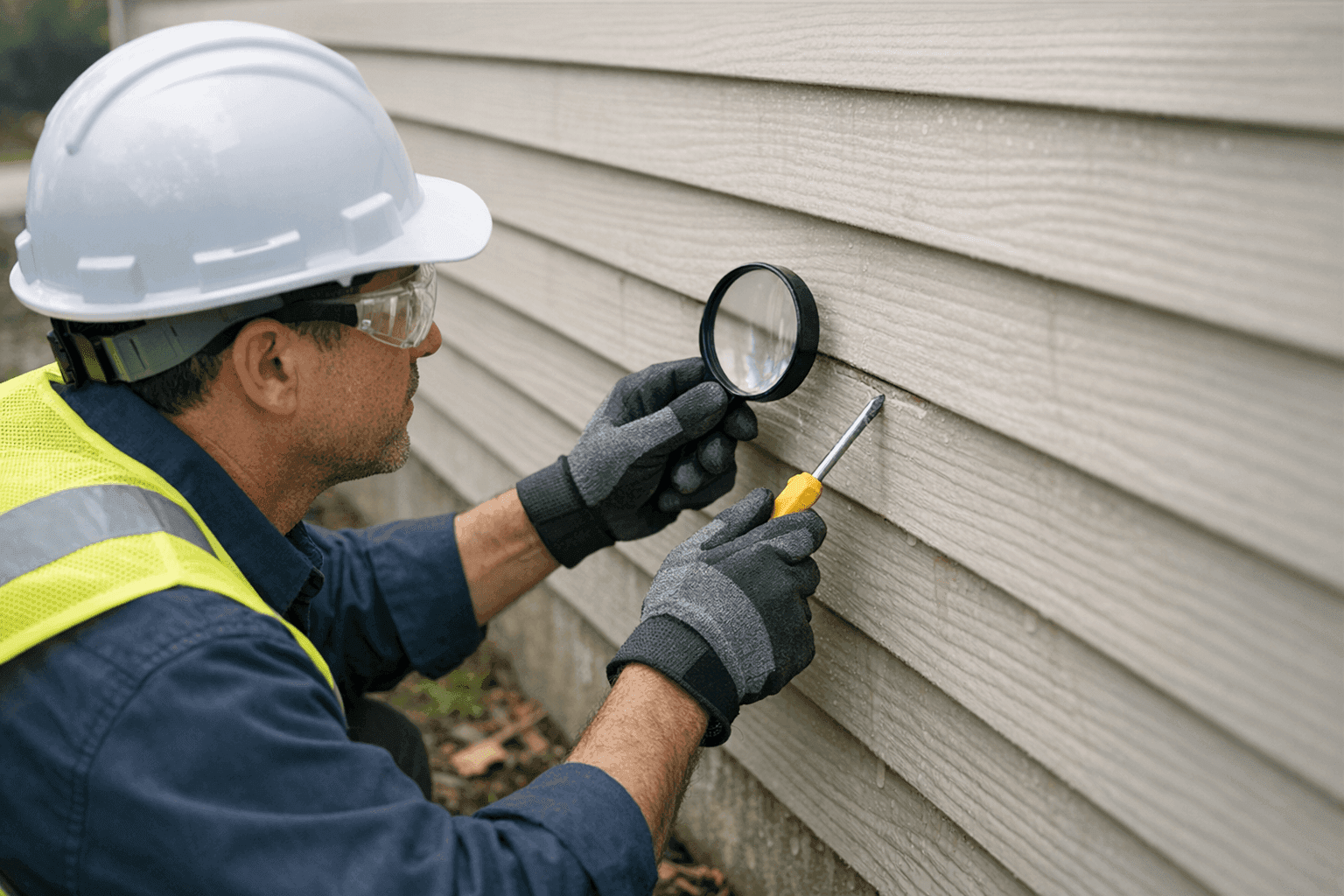
When the sky darkens and the wind picks up, your home’s exterior becomes the first line of defense. Siding isn’t just about curb appeal—it’s your shield when weather turns wild. At Kroll Siding, we know what it takes to keep your family safe and dry, no matter what blows your way.
Weather in every season puts your home to the test. Whether it’s pelting rain, biting cold, or a sudden hailstorm, the right siding—and proper installation—makes all the difference.
Why Siding Matters When Storms Hit
Think of siding as your home’s armor. When weather gets fierce, it’s the barrier that stands between you and the elements. Without the right protection, even a small leak or crack can snowball into expensive repairs.
Siding does more than look good. It blocks wind, stops water, and absorbs impacts. Installed right, it can outlast the worst storms. But even the toughest armor needs regular checks and upgrades to stay strong.
Wind Resistance: Holding Strong When Gusts Roar 🌬️
Wind isn’t just a gentle breeze. During storms, powerful gusts can rip, bend, or even tear off poorly secured siding. Here’s how siding resists the wind:
- Interlocking panels: Vinyl, fiber cement, and metal siding are designed to snap together tightly, creating a continuous shield.
- Proper fastening: Nails, screws, and clips must be spaced and anchored per manufacturer specs and local building codes (see International Residential Code Section R703 for siding attachment).
- Flashing and trim: These details keep wind from sneaking behind panels, preventing uplift and rattling.
Pro tip: After a big storm, walk around your home. Look for loose or flapping panels. If you spot any, consider a Siding Flashing Repair before the next weather event.
Moisture Defense: Keeping Water Out for Good
Water is sneaky. It seeps into the tiniest cracks, then freezes, expands, and makes problems worse. Over time, moisture leads to rot, mold, and costly structural damage. Siding’s job? Keep water out—always.
- Sealed seams: Caulking and overlapping panels block rain and melting snow.
- House wrap: A moisture barrier under siding stops water from reaching your home’s frame.
- Proper slope: Siding should direct water down and away, just like a raincoat.
Routine siding inspection and maintenance are key. If you see swelling, warping, or peeling paint, it’s time for a closer look.
Impact Resistance: Standing Up to Flying Debris
Even a small branch can leave a big dent during a storm. Impact resistance means siding materials can absorb hits without cracking or puncturing.
- Fiber cement and engineered wood: These materials offer strong impact protection.
- Metal siding: Tough against hail and wind-driven debris.
- Vinyl siding: Flexible, but may crack if struck hard in cold weather.
If you live in a region with frequent storms or hail, ask about siding rated for impact resistance. Your insurance company may even give you a break on premiums.
How Siding Installation Makes or Breaks Weatherproofing
Even the best siding can fail if installed poorly. Here’s what makes the difference:
- Proper underlayment: Think of this as the backup plan for waterproofing.
- Attention to detail: Corners, joints, and edges are the weak spots. Pros use flashing and sealants for extra protection.
- Ventilation: Good airflow behind siding allows moisture to escape, preventing mold and rot.
At Kroll Siding, our crews work with building codes and manufacturer guidelines in mind. Every nail and seam matters.
Quick Safety Checklist for Homeowners
Not sure if your siding is ready for the next storm? Use this list:
- Walk the exterior after heavy wind or rain. Check for loose or missing panels.
- Inspect caulking around windows and doors.
- Look for soft spots, bubbling, or discoloration.
- Check gutters and downspouts for blockages—overflow can damage siding.
If you spot issues, don’t wait. Addressing small problems now can prevent major headaches later.
DIY or Call a Pro? Knowing When to Get Help
Some tasks are safe for handy homeowners—like cleaning siding or touching up caulk. But major repairs, storm damage, or anything involving heights is best left to professionals.
If you need emergency help after a storm, trained crews can:
- Assess hidden damage
- Spot code violations
- Safely repair or replace panels
- Handle insurance paperwork
When in doubt, reach out. Storm Damage Repair should be fast, safe, and thorough.
What Pros Do On Arrival
If you call Kroll Siding after a weather event, here’s what happens:
- We inspect your siding, soffits, fascia, and trim for damage.
- Moisture meters and thermal cameras spot leaks behind panels.
- We document damage for insurance.
- Temporary repairs prevent further water entry.
- We recommend permanent solutions and upgrades.
Our crews work quickly but carefully, minimizing disruption to your daily life.
Preventative Maintenance: Outsmarting the Weather
Routine care keeps siding strong year after year. Here’s what helps:
- Annual inspections—fall and spring are best.
- Power washing to remove dirt and mold.
- Re-caulking and sealing seams.
- Painting or staining wood siding every 3–7 years.
- Clearing gutters and downspouts.
Set a calendar reminder. Maintenance is easier—and cheaper—than emergency repairs.
Costs & Time Factors: What to Expect
Siding repairs and upgrades vary in price, depending on:
- Material type (vinyl, fiber cement, wood, metal, stucco)
- Extent of damage
- Complexity (multi-story homes, intricate trim)
- Local labor rates
Small repairs may take just a few hours. Full replacement can take several days. We offer clear estimates and timelines before work begins.
When It’s an Emergency
Sometimes, weather hits hard—fast. If you have:
- Water pouring in around windows or walls
- Large sections of siding missing
- Exposed wood or insulation
It’s time to call for emergency siding services. Temporary covers or patches can buy you time until permanent repairs are made.
Seasonal Considerations: What to Watch For
Each season brings its own siding challenges:
- Spring: Hail, heavy rain—check for dents and leaks.
- Summer: Sun fades colors and dries out caulk—touch up as needed.
- Fall: Falling leaves clog gutters—clean them before first frost.
- Winter: Snow and ice buildup—watch for cracking or warping.
Being proactive keeps your home looking sharp and weather-tight year-round.
Common Mistakes That Lead to Weather Damage
Don’t let these slip-ups undermine your home’s protection:
- Skipping annual inspections
- Ignoring minor damage
- DIY repairs without proper materials
- Blocking ventilation with landscaping or debris
- Choosing the wrong siding for your climate
A little planning beats a lot of fixing.
Signs of Trouble: What to Watch For
Early warning signs help you act fast:
- Warped, cracked, or missing panels
- Water stains inside walls or ceilings
- Musty smells—could signal hidden mold
- Bubbling or peeling paint
See something off? Schedule a Siding Inspection with experienced professionals who understand residential siding inside out.
Timeline & Disruption: What’s Realistic?
Most siding repairs cause little disruption. Crews work outside, and you can stay in your home. Full replacement is louder (expect some hammering), but we clean up daily and respect your property.
Weather delays are possible—your safety comes first.
Choosing Weather-Ready Materials: Smart Upgrades
Not all siding is created equal. Here’s what to consider for the best weather protection:
- Vinyl: Affordable, low maintenance, decent wind and rain resistance.
- Fiber cement: Strong, fire-resistant, excellent for impact and moisture.
- Metal: Superior wind and hail protection, modern look.
- Engineered wood: Great for impact and flexibility, needs regular sealing.
- Stucco: Good in dry climates, less so in wet or freezing conditions.
Ask about eco-friendly and insulated options to boost protection and save energy.
Siding Material Consultation: Get the Right Fit
Every home faces its own weather risks. At Kroll Siding, we help you choose materials that match your climate, budget, and style. Our Siding Material Consultation service walks you through pros, cons, and code requirements for lasting results.
FAQ: Weatherproofing Your Home with Siding
Q: How long does siding last?
A: Quality siding, installed and maintained, can last 20–50 years depending on the material.
Q: Is siding covered by insurance after a storm?
A: Most policies cover sudden damage, but not neglect or wear. Document everything and check your coverage.
Q: Should I upgrade or repair?
A: If your siding is older or frequently damaged, upgrading may save money long-term.
Q: How do I know what’s code compliant?
A: Your local building department or the International Residential Code (IRC) sets standards for siding installation, fastening, and materials.
Your home deserves protection that lasts. When weather extremes test your siding, don’t leave anything to chance. Call Kroll Siding now — or reach us anytime at 888-892-6286 .