How Siding Upgrades Can Lower Home Insurance Costs
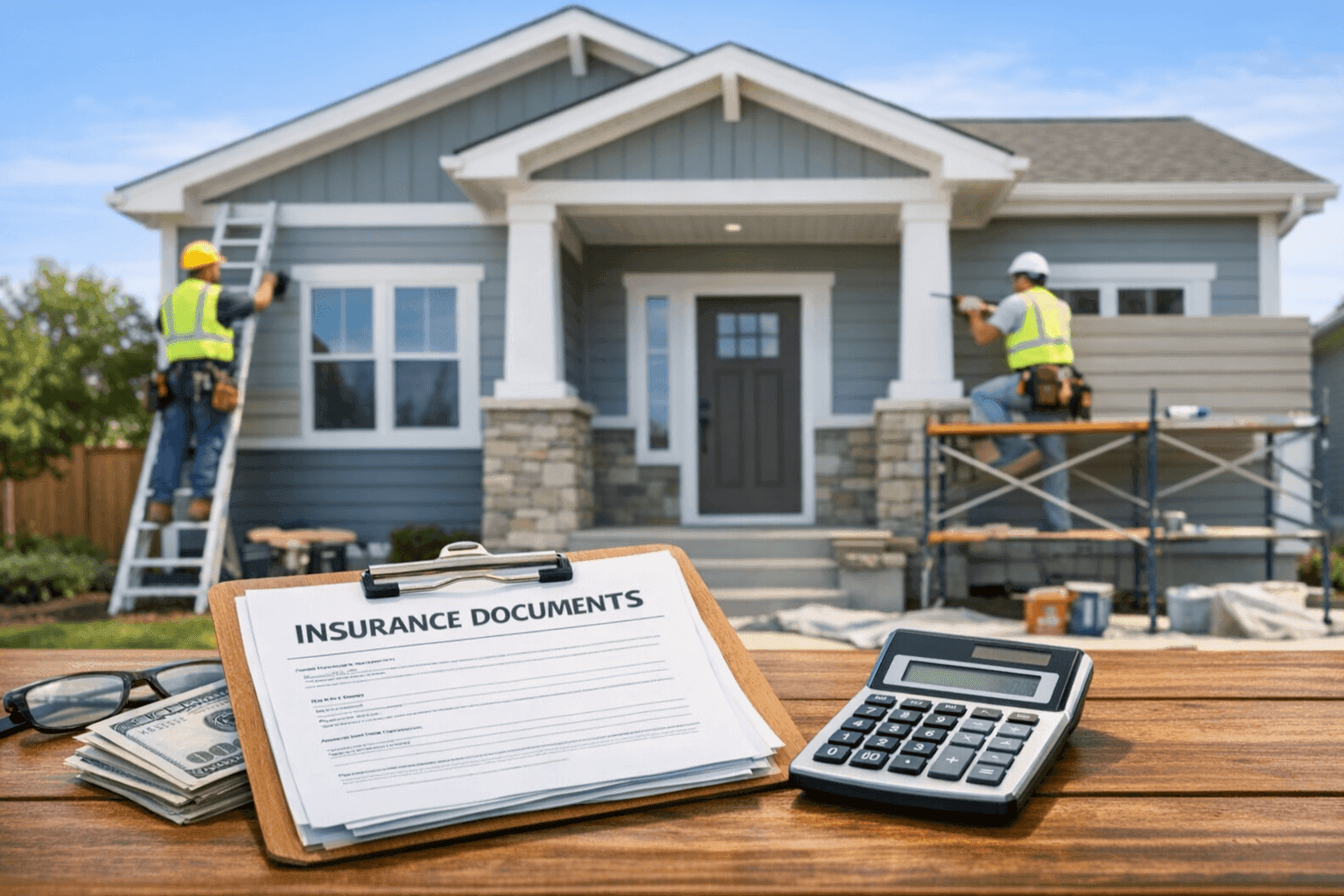
Imagine waking up to the sound of rain on new siding. That fresh, solid barrier stands between you and the storm, keeping your family safe. But did you know your siding might also be holding back higher insurance costs? The right upgrade could mean real savings.
At Kroll Siding, we see it every week: folks surprised at just how much a siding replacement can affect their home insurance premiums. Let’s cut through the noise, walk you through what really matters to insurers, and help you make the smartest choices for your home.
Why Insurers Care About Your Siding
Insurers aren’t just looking at curb appeal. They’re assessing risk. Siding is one of your home’s first lines of defense—against fire, wind, water, and pests. When your siding is tough, up-to-code, and well-maintained, it lowers the odds of a costly claim. That means less risk for your insurance provider, and often, lower premiums for you.
Siding Materials That Impress Insurers
Not all siding is created equal. Some materials are like a sturdy lock; others are more like a leaky fence. Here’s what insurance companies tend to favor:
- Fiber Cement: Fire-resistant, pest-resistant, and able to withstand harsh weather. Many carriers offer discounts for homes with James Hardie or comparable fiber cement siding.
- Metal Siding: Aluminum and steel siding shrug off fire and hail, and don’t rot or warp. They rate well for resilience.
- Stucco: Especially when properly installed and maintained, stucco can provide a strong, fire-resistant shell.
- Vinyl Siding: Improved formulations mean it’s better than ever for weatherproofing, but it’s not as fire-resistant as fiber cement or metal. Still, high-quality vinyl can earn modest insurance benefits.
Insurers may offer reduced rates for homes with recent, code-compliant, and well-documented siding upgrades. The Insurance Institute for Business & Home Safety provides valuable resources on building materials and disaster resilience.
Fire Resistance: The Key to Lower Premiums 🔥
Fire is a top concern for insurers. If your home is in a wildfire-prone area or near dense woods, fire-resistant siding is essential. Fiber cement, stucco, and metal can slow the spread of flames, buying valuable time for firefighters and reducing the risk of total loss. Insurers take notice.
Tip: When considering a siding replacement, ask about Class A fire ratings and request documentation for your records. This is often required for insurance discounts.
Keeping Water Out: The Weatherproofing Advantage
Moisture is a slow, silent destroyer. Siding that resists leaks, rot, and mold protects your home’s structure—and your insurer’s bottom line. Upgrades like siding-weatherproofing and Siding Flashing Repair near you can mean fewer claims for water damage.
Pro Move: Add proper caulking, flashing, and ventilation. These small details can make a big difference in reducing risk.
Documentation: Your Ticket to Insurance Savings
When you upgrade your siding, keep every document. Receipts, material specs, warranties, permits, and before-and-after photos are your proof. Without them, insurers may not recognize your investment.
Checklist for Your Records:
- Date and details of installation
- Type of siding and manufacturer
- Fire, weather, and pest resistance ratings
- Warranty coverage
- Contractor’s license and permit info
Bring these to your insurance agent. They can help you apply for any discounts you deserve.
Real-World Premium Savings: What to Expect
Savings vary, but here’s what we see locally:
- Fire-resistant upgrades: 5–20% off premiums in wildfire-prone regions.
- Storm-resistant siding: 5–10% off, especially if you combine with impact-resistant windows or roof.
- Recent, code-compliant replacement: 5–10% off, thanks to lower risk of claims from old, damaged siding.
Ask your provider for a “before-and-after” premium estimate when planning your siding-replacement. It’s a smart way to see potential savings on paper.
What to Ask Your Insurance Provider
Before you start any siding project, pick up the phone and ask your insurance agent:
- Which siding materials qualify for premium discounts?
- What documentation will you need for new or replacement siding?
- Are there insurance requirements for fire, wind, or impact resistance in your area?
- Can you combine siding upgrades with other home improvements for extra savings?
Getting clear answers now prevents headaches—and missed discounts—later.
Weather Woes: Siding and Storm Damage
In areas with heavy storms, hail, or high winds, siding upgrades can mean the difference between a quick fix and a major claim. Impact-resistant siding, reinforced flashing, and proper insulation help keep the weather outside, where it belongs.
Don’t wait until after the next big storm. Inspect your siding each spring and fall for cracks, gaps, or warping. Early repairs help you avoid insurance claims and keep your premiums steady.
Maintenance: Small Steps, Big Payoff 🧰
Think of siding like a good raincoat. It won’t work if it’s torn or neglected. Regular maintenance—cleaning, sealing, and prompt repairs—prevents small problems from becoming insurance nightmares.
Quick Maintenance Tips:
- Wash your siding at least once a year.
- Inspect caulking and flashing after storms.
- Schedule annual siding inspections.
- Repaint or reseal wood siding as needed.
A well-maintained home is a lower-risk home. Insurers reward that.
Emergency Repairs: Don’t Delay
If you spot storm damage or an urgent problem, act fast. Delayed repairs can lead to denied claims or higher out-of-pocket costs. Emergency siding services not only protect your home, they keep your insurance coverage in good standing.
Common Mistakes That Cost Homeowners
- Choosing the cheapest siding, not the safest.
- Failing to document upgrades for your insurance company.
- Ignoring small leaks or cracks.
- Not asking about discounts before starting a project.
- Skipping regular maintenance.
Avoid these traps and you’ll build long-term value, both in your home and your insurance savings.
DIY or Call in the Pros?
Some maintenance is DIY-friendly. But when it comes to full siding-replacement, storm repairs, or code compliance? Call a professional. Insurers may not honor upgrades or repairs done without permits, or by unlicensed contractors.
Code Matters: Safety and Insurance Go Hand in Hand
Insurance discounts often hinge on building codes. Upgrading to meet—or exceed—local codes can unlock savings. The International Residential Code (IRC) and National Fire Protection Association (NFPA) offer guidance on siding safety and fire resistance. Ask your contractor if your new siding meets these standards.
Timeline and Disruption: What to Expect
Siding upgrades aren’t overnight jobs. Most single-family homes take three to seven days, depending on size and material. Weather, hidden damage, and delivery delays can add time. Plan ahead—especially if you need documentation for a home sale or insurance renewal.
Siding and Resale Value
Smart siding upgrades do more than lower insurance costs. They boost curb appeal and resale value. A home with new, fire-resistant siding stands out to buyers and lenders alike.
Siding Flashing Repair Near You: Local Help Matters
Every region faces unique weather and insurance rules. For tailored advice, consider talking to a pro who knows your local codes and insurer requirements. For homeowners in the Northwest, see our Portland siding services to get local help with Siding Flashing Repair near you.
Closing Thoughts: Invest Now, Save for Years
Your siding is more than a pretty face. The right upgrades can shield your home, save you money, and offer peace of mind when the weather turns rough. Start smart—choose the right materials, document everything, and ask your insurer how you can save.
Call Kroll Siding now — or reach us anytime at 888-892-6286 .