How to Avoid Common Siding Installation Mistakes
Is your siding ready to face another season? Or are you worried that a few mistakes during installation could leave your home vulnerable? Siding should shield your house like armor, but one wrong move can let in water, drafts, or even pests.
At Kroll Siding, we know the difference between a job done and a job done right. If you’re considering a new siding project, or wondering why your current siding isn’t holding up, let’s talk about the most common mistakes—and how to steer clear.
Frequent Siding Mistakes Homeowners Face 🤦
Even skilled DIY-ers sometimes miss things the pros know to watch for. Here are the most common slip-ups:
- Poor Alignment: Crooked panels can turn even the newest siding into an eyesore. Gaps or overlaps invite water damage.
- Inadequate Flashing: Flashing is the hidden hero—without it, moisture sneaks behind siding, causing rot or mold.
- Bad Caulking: Skimpy or uneven caulking leaves cracks for leaks and bugs.
- Wrong Fasteners: Using the wrong nails or screws can split siding, cause it to buckle, or void your warranty.
- Skipping Ventilation: Without proper airflow, moisture gets trapped, leading to warping or mildew.
- Ignoring Manufacturer Instructions: Every material has its quirks. Ignoring the rules can cost you in repairs.
These aren’t just “oops” moments. They can lead to expensive fixes, ruined insulation, or even full replacement.
How to Prevent Them—Pro Secrets
So, how do professionals dodge these pitfalls? It’s all about the details:
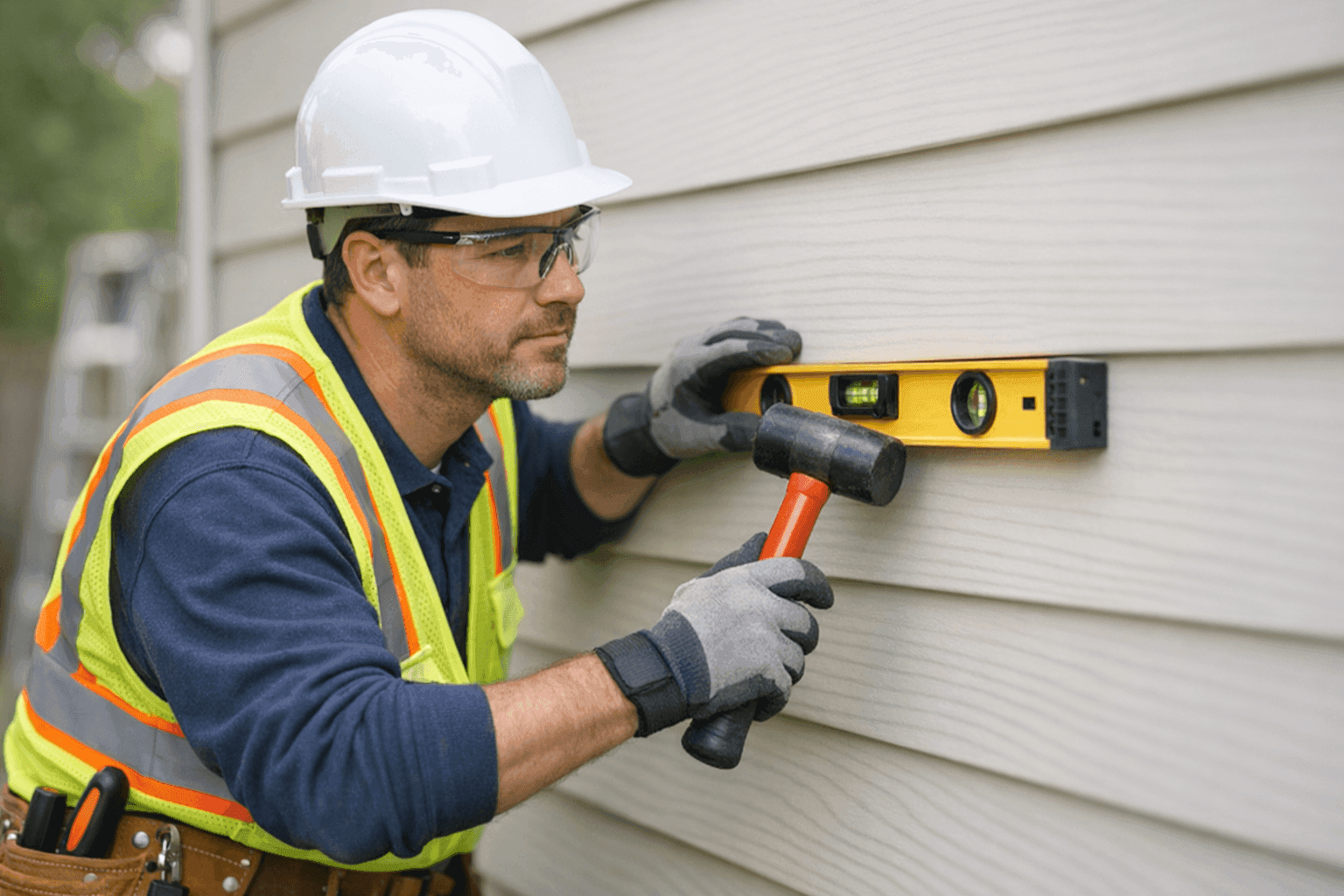
- Laser-Level Precision: Pros use chalk lines, spirit levels, and careful measurement from the very first panel.
- Flashing First: We always check that flashing is properly overlapped and sealed, especially around windows and doors.
- Right Tools, Every Time: From corrosion-resistant fasteners to siding-specific nail guns, we use what’s made for the job.
- Consistent Caulking: Even, continuous beads—never blobs—keep out water and weather.
- Breathable Barriers: Installing house wrap and ventilation channels lets your home breathe, fighting off moisture.
- Following Codes and Manuals: Referencing local building codes and manufacturer installation guides is non-negotiable.
For example, the International Residential Code (IRC) offers clear guidance on flashing and fastener spacing. Our team’s certifications mean we’re trained to follow these standards every day.
The Cost of Cutting Corners
A little mistake can snowball. Here’s what’s really at stake:
- Water Damage: Improper installation lets water seep behind panels, leading to soft spots, mold, or rot.
- Energy Bills: Gaps mean drafts, making your heating or cooling system work overtime.
- Warranty Void: Many siding manufacturers require proof of professional installation to honor their warranties.
- Curb Appeal: Crooked siding and stains are hard to miss—and hard to sell around.
Fixing these issues after the fact is always harder (and pricier) than getting it right the first time.
Quality Control: What Sets a Professional Apart 🏆
You don’t want your siding to be a “training project.” Certified installers bring more than just tools—they bring accountability.
- Certifications: Our crew is certified by leading siding manufacturers, following strict installation protocols.
- Ongoing Training: Siding materials change. So do best practices. We stay up to date so you don’t have to worry.
- Step-by-Step Inspections: Every project gets a final walk-through, using checklists based on manufacturer and code requirements.
- Documented Process: Photos, measurements, and inspection forms keep us (and you) on track.
Professional installers also know what to look for—like hidden rot or poor framing—that could spell trouble later. That’s why a siding inspection is often a smart first step.
Why DIY Often Falls Short
It’s tempting to save money by tackling siding yourself. But here’s the catch: the smallest misalignment or skipped step can lead to big headaches.
DIY jobs often lack:
- Specialized equipment
- Deep knowledge of building codes
- Experience with tricky corners, flashing, or odd angles
And if you miss something, you may lose your warranty or face added repair costs down the line.
The Professional Arrival Checklist
When Kroll Siding arrives on site, here’s what we check before a single panel goes up:
- Existing wall condition—flat, dry, and free of rot
- All framing and sheathing securely fastened
- Moisture barriers installed and taped
- Flashing in place around windows, doors, and edges
- All materials on-site and inspected for defects
We treat every home like it’s our own—because shortcuts have no place in our process.
Siding Flashing Repair Near You—When It’s Needed Fast
Heavy storms, wind, or age can send flashing and siding into disarray. If you notice water stains indoors, warped panels, or visible gaps, don’t wait. Emergency siding repair can keep small problems from turning catastrophic. Sometimes, a quick flashing repair or new construction siding is all that stands between your home and the elements.
Signs Your Siding Needs Attention
Watch for these red flags:
- Sagging or misaligned panels
- Bubbling, warping, or blistering
- Gaps at seams or corners
- Peeling paint or visible mold
- Persistent drafts
If you spot any of these, an expert inspection is your next step.
Timeline and Disruption: What to Expect
Worried about the mess? Most siding projects take a few days to a week, depending on size and complexity. We keep the site tidy, manage debris, and work around your schedule. Clear communication reduces surprises.
Choosing the Right Materials
Vinyl, metal, fiber cement, wood, or stucco—each has its pros and cons. Material choice affects not just the look, but also durability and maintenance. We walk you through options, considering local climate, energy efficiency, and style. For a deep dive, our siding material consultation service is there to guide you.
Siding and Safety: A Quick Checklist 🦺
Safety first, always. We follow:
- OSHA guidelines for ladders and scaffolding
- Proper PPE (gloves, goggles, masks)
- Safe storage and handling of materials
- Clean, organized job sites to prevent trips or falls
You should feel safe in your home—and so should anyone working on it.
When Weather Strikes: Emergency Siding Services
Storm damage happens fast. If you’ve had high winds, hail, or flying debris, immediate repairs can prevent bigger issues. Our emergency team handles everything from patching panels to full replacements—restoring your home’s protection.
Maintenance: Keep Your Siding Strong
Even the best siding needs a little TLC. Here’s how to make it last:
- Wash panels annually to remove dirt and mildew
- Inspect caulking and seals for cracks
- Clear gutters and downspouts
- Trim trees and shrubs away from siding
- Schedule periodic siding inspections to catch problems early
Simple steps now save big repairs later.
Siding Warranty Matters
Professional installation isn’t just about looks—it’s required for most warranties. Keep all paperwork, installation photos, and receipts. If you ever need to make a claim, you’re ready.
FAQs About Siding Mistakes
Q: How can I tell if my siding is installed wrong?
Look for uneven lines, loose panels, or visible nails. If in doubt, book a professional inspection.
Q: Are all siding installers certified?
Not always. Ask about manufacturer certifications and request references.
Q: Can I mix siding materials?
Yes—but transitions must be handled with care to avoid leaks or mismatched expansion rates.
Seasonal Siding Tips
- Spring: Check for winter damage and clean panels.
- Summer: Inspect caulking and repaint if needed.
- Fall: Clear gutters and trim plants.
- Winter: Watch for ice dams and snow buildup.
A little seasonal attention keeps siding strong all year.
Ready for Reliable Siding? 🏡
Mistakes in siding installation are costly, but avoidable. When it comes to protecting your home, details matter. If you want siding that stands strong and looks sharp for years, work with certified installers who follow every step—no shortcuts.
For more tips or to schedule a service, take a look at our high quality siding services in Kirkland.
Call Kroll Siding now — or reach us anytime at 888-892-6286 .