How to Choose the Best Siding for Your Climate
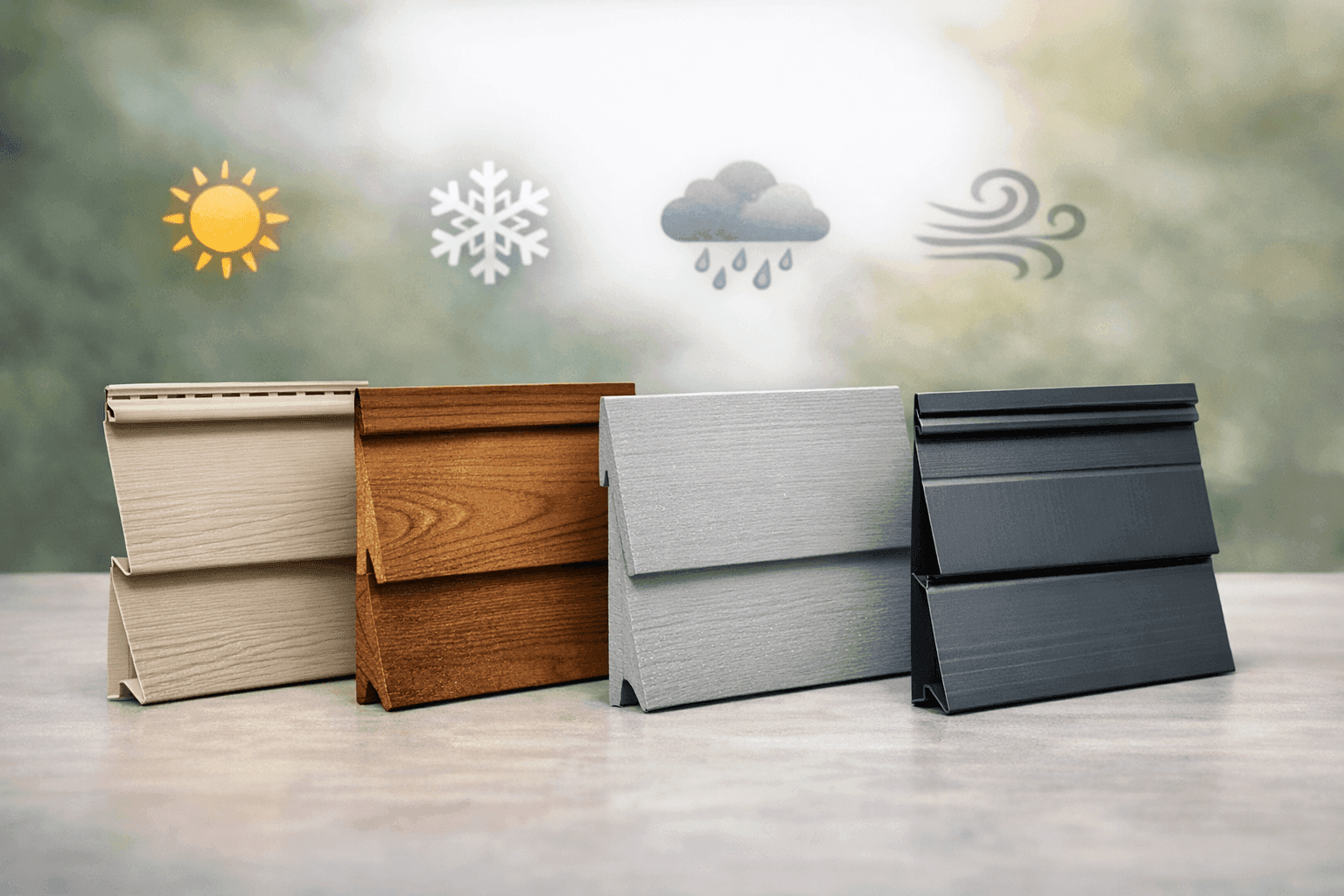
Is your siding ready for everything your local weather throws at it? Choosing the right siding can feel overwhelming, especially when storms, heat, or winter cold are always lurking around the corner. At Kroll Siding, we’ve seen firsthand how climate can make or break your home’s exterior.
Whether you’re planning new construction, eyeing a replacement, or just keeping your home ready for anything, knowing which siding works best in your climate is the first step.
Understanding Your Climate 🌦️
No two regions are alike. Where you live shapes how your siding performs. Think of your home as a raincoat or a cozy sweater—it needs to fit the weather.
- Hot, Humid Climates: Trapped moisture can lead to mold or warping. Siding with built-in ventilation and moisture resistance is a must.
- Cold, Snowy Winters: Freeze-thaw cycles batter siding, especially wood. Insulation and weatherproofing gain importance.
- Wind & Storm-Prone Areas: Impact resistance and secure installation keep panels from peeling away.
- Dry, Sunny Regions: UV rays fade color and crack brittle materials. UV-resistant finishes and color consultation pay off.
The U.S. Department of Energy’s building codes give guidance for every region. Review local requirements before making a final choice.
Siding Material Comparison
Picking siding is like choosing tires for a car—you want the best grip for the road ahead. Here’s how popular materials stack up:
Vinyl Siding
- Strengths: Affordable, low-maintenance, resists rot and pests.
- Best For: Mild to moderate climates. UV-resistant panels last longer in sunny spots.
- Watch Out: Can crack in severe cold or warp in extreme heat.
Fiber Cement Siding
- Strengths: Tough against fire, insects, and weather. Holds paint well.
- Best For: All climates, especially where storms or wildfires are common.
- Watch Out: Heavier, so professional installation is recommended.
Wood Siding
- Strengths: Classic look, good insulation, renewable resource.
- Best For: Drier, moderate climates. Look for sustainably sourced wood.
- Watch Out: Needs regular painting or sealing. Vulnerable to rot and pests in damp zones.
Metal Siding
- Strengths: Fireproof, insect-proof, modern appearance.
- Best For: Storm-prone or wildfire-risk regions.
- Watch Out: Can dent in hail; may need extra insulation for temperature swings.
Stucco Siding
- Strengths: Excellent for hot, dry climates. Customizable finish.
- Best For: Southwest-style homes.
- Watch Out: Not ideal for wet or freeze-prone areas unless properly sealed.
Eco-Friendly Siding Options
- Strengths: Lower environmental impact, recycled content, excellent for green homes.
- Best For: Homeowners seeking sustainability and energy savings.
- Watch Out: Research warranty and durability for your region.
Want tailored advice on the right siding? Our siding material consultation service covers every base.
Installation Tips by Region
Installation isn’t just about nailing panels in place. Your region’s weather shapes every step.
Northern Winters
- Use water-resistant barriers and insulation.
- Select siding with tight seams and high impact ratings.
- Schedule installation in dry, mild conditions to avoid weather delays.
Coastal & Storm Areas
- Stainless steel fasteners resist rust.
- Reinforce corners and edges.
- Choose siding rated for high winds and impact.
Desert & High Sun
- Light-colored siding reflects heat.
- UV-resistant coatings prevent fading and cracking.
- Ask for vented soffits to keep attics cool.
Humid & Rainy Regions
- Install moisture barriers to prevent mold.
- Opt for materials like fiber cement or vinyl.
- Use flashing repair and caulking to seal vulnerable spots.
For reliable siding and gutter installation—even in tough climates—see our eco-friendly siding options.
Maintenance for Tough Conditions 🛠️
No siding is “set it and forget it.” Routine care keeps it sharp through every season.
- Inspect Annually: Walk around your home, checking for cracks, gaps, or warping.
- Clean Regularly: Hose off dirt and debris. Use gentle cleaners for vinyl or fiber cement.
- Siding Flashing Repair Near You: Address leaks or rust around windows and doors right away.
- Seal & Paint: Wood and fiber cement may need painting or caulking to prevent water infiltration.
- Trim and Molding: Replace damaged sections to avoid bigger problems.
The International Code Council recommends checking siding after major storms or freezes. It’s like catching a small leak before you’re swimming in your living room.
Quick Safety Checklist
Before you climb a ladder or call for help, keep safety first.
- Look for loose panels, sharp edges, or nails.
- Watch for mold, especially after wet weather.
- Check for signs of pests or rot on wood siding.
- Test caulking and sealant for cracks.
If you spot extensive damage or suspect hidden moisture, it’s time to bring in a pro.
DIY or Call Kroll Siding?
Some tasks—like washing siding or painting small areas—are fine for handy homeowners. But for bigger jobs, experience matters.
- When to DIY: Cleaning, light touch-ups, painting small areas.
- When to Call: Major repairs, full replacement, storm or impact damage, complex installations.
Our team brings years of hands-on experience. We know how to spot the early warning signs that save you money down the line.
What Pros Do On Arrival
When you call Kroll Siding, here’s what to expect:
- Full Inspection: We check every inch, from flashing to soffits.
- Climate-Smart Recommendations: We match materials and techniques to your local weather.
- Clear Estimate: No surprises. You see what’s needed and why.
- Quality Installation: Our crew follows the latest building codes and manufacturer specs.
- Warranty Support: We explain material warranties so you know what’s covered.
Prevention & Maintenance
A little prevention goes a long way. Here’s how to keep your siding strong:
- Clean gutters to avoid water damage.
- Prune back trees and shrubs.
- Check caulking and repaint wood or fiber cement as needed.
- Schedule annual siding inspections—especially after storms.
Costs & Time Factors
Replacing siding is an investment. Costs vary by material, home size, and labor rates.
- Vinyl: Most affordable, quick install.
- Fiber Cement: Moderate cost, longer install.
- Wood: Higher cost and maintenance.
- Metal: Mid-to-high cost, lasts decades with care.
Factor in energy savings, insurance discounts, and curb appeal when budgeting. Some eco-friendly siding may qualify for rebates or lower utility bills.
When It’s an Emergency
Storm damage? Rot? Siding falling off in a windstorm? That’s an emergency. Call for help if you see:
- Exposed framing or insulation.
- Water leaks inside your home.
- Major cracks or missing panels.
Fast action protects your investment and prevents bigger headaches.
FAQ: Common Siding Questions
Q: How often does siding need to be replaced?
A: With regular maintenance, quality siding lasts 20–50 years, depending on the material.
Q: Can I paint any siding?
A: Most fiber cement and wood can be painted. Vinyl colors are set at the factory, but specialty paints exist.
Q: Is eco-friendly siding durable?
A: Yes, with proper installation and care. Check for third-party certifications and solid warranties.
Q: How do I know if siding was installed correctly?
A: No gaps, tight seams, proper flashing, and matching manufacturer specs. If you’re not sure, schedule an inspection.
Seasonal Considerations
- Spring: Check for winter damage and schedule repairs.
- Summer: Clean siding, trim landscaping.
- Fall: Inspect caulking and gutters before storms.
- Winter: Watch for ice dams and snow buildup.
Every season brings its own siding challenges. Stay ahead with a simple checklist.
Common Mistakes to Avoid
- Skipping the moisture barrier—leads to rot.
- Choosing the wrong material for your climate.
- Ignoring small cracks or missing caulk.
- Rushing installation in bad weather.
A little planning saves a lot of headaches later.
Signs of Trouble
- Warped or buckling panels.
- Peeling paint or faded color.
- Mold, mildew, or musty smells.
- Drafts or water stains inside.
Don’t ignore these red flags. Early repairs prevent major damage.
Timeline & Disruption
Most siding jobs take a few days to a week, depending on size and material. Weather can cause delays. Good installers communicate clearly and keep your property tidy.
For a smooth experience and a job done right, choose a team with a track record in your region. If you’re looking for reliable residential siding services in Buckeye, our siding contractors in Buckeye are ready to help.
Ready to protect your home—rain or shine? Call Kroll Siding now — or reach us anytime at 888-892-6286 .