How to Choose the Perfect Siding Color
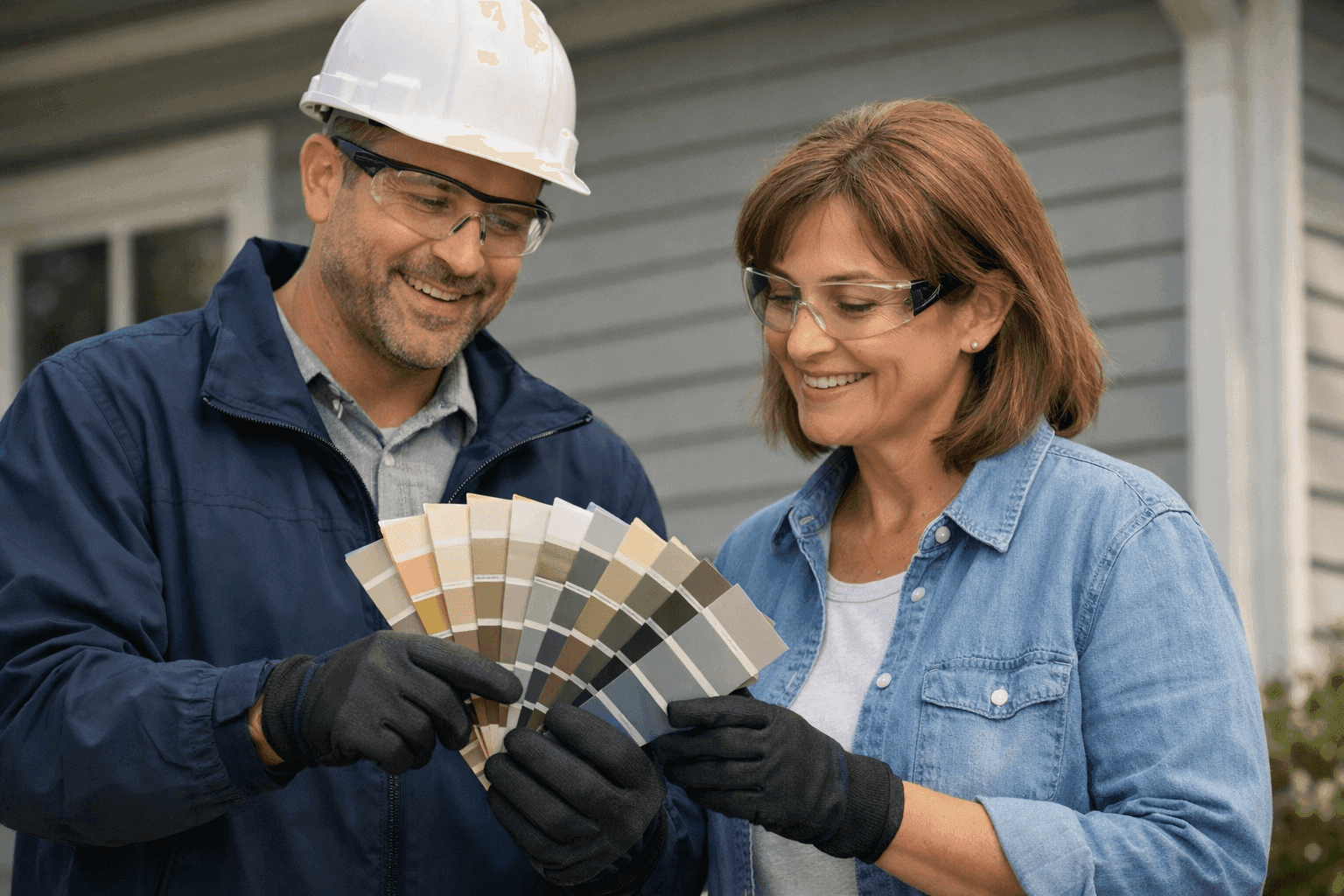
Is your siding looking tired? Maybe you’re building a new home and want it to stand out—or blend in—just right. Color is more than a coat of paint. It’s the first handshake your home gives the world. At Kroll Siding, we help homeowners feel confident from the first sample to the final reveal.
If you’re feeling overwhelmed by endless color chips, you’re not alone. Let’s break down how to pick a siding color that fits your home, lifestyle, and neighborhood—without the guesswork.
Factors in Choosing Siding Color
Choosing siding color isn’t just about what you like. It’s about how color works with your home, your street, and even your climate.
- Home Style: Colonial? Ranch? Modern? Each style has classic palettes that can highlight its best features. For example, deep blues and grays look striking on Cape Cods, while soft earth tones flatter Craftsman homes.
- Neighborhood Trends: Stand out—but don’t clash. Walk your block. Are most homes painted neutrals, or do bold colors rule? A home that fits in can boost value, while one that’s too unusual might turn heads for the wrong reasons.
- Climate and Light: Sun fades paint faster in bright, hot regions. Dark colors may absorb heat, while lighter ones reflect it and stay cooler. Consider your weather—rain, snow, or heat all affect how colors age.
- Maintenance: Some colors hide dirt and wear better than others. Darker siding shows dust and scratches more easily, while lighter shades can mask small flaws.
Popular Color Trends
Wondering what’s in style right now? Home exteriors have their own cycles, just like fashion.
- Grays and Greiges: These timeless shades work on nearly any home and never go out of style.
- Deep Blues and Forest Greens: Rich, bold colors are on the rise, especially paired with crisp white trim.
- Soft Whites and Creams: Perfect for a classic, airy look—especially on traditional homes.
- Charcoal and Black: Dramatic and modern, these hues work best as accents or on contemporary homes.
Trends can inspire, but don’t let them dictate your decision. Think of them as the spice, not the main ingredient.
Light vs. Dark Siding: What to Know 🌗
Choosing between light and dark siding is like picking between a linen shirt and a black jacket—both have pros and cons.
- Light Siding: Keeps your home looking fresh and cool. Great for hot climates and for hiding dust. But, stains and mildew can show more easily.
- Dark Siding: Looks dramatic and can make trim and landscaping pop. In cold climates, it may help with energy efficiency. But, it can fade faster and show scratches.
Factor in how much sun your home gets. If your house faces south, dark colors may lose their luster sooner.
Matching Siding to Your Home’s Architecture
Classic homes shine with classic colors. Modern homes love clean, bold statements. Here’s a quick cheat sheet:
- Victorian: Deep reds, greens, or blues with contrasting trim.
- Craftsman: Earthy greens, taupe, or warm browns.
- Ranch: Neutral grays or beiges, with pops of color on the door or shutters.
- Colonial: Crisp whites, soft blues, or gentle grays.
If you’re unsure, our siding color consultation helps you explore palettes tailored to your home’s bones.
Siding and Your Roof: A Color Balancing Act
Your roof and siding are like dance partners—they need to move together. Asphalt shingles, metal, or tile all come in their own shades. Don’t forget to check how your siding color looks next to your roof. For best results, bring home samples and view them at different times of day.
Considering Gutters, Trim, and Accents
Details matter. Your trim, gutters, and soffits frame your siding. White or off-white trim is classic, but black or colored trim can add a modern twist. Match or contrast your siding for a look that’s either harmonious or bold.
Want help? Our siding material consultation covers both color and the practical details of matching materials for lasting appeal.
Testing Siding Colors Before You Commit 🧑🎨
Don’t trust a tiny color chip. What looks great indoors may look totally different in sunlight—or on a rainy day.
- Get Large Samples: Ask for bigger boards or panels, not just paint cards.
- Try Different Walls: Tape samples to both sunny and shady sides of your home.
- Check at Different Times: Morning, noon, and dusk can all shift how a color feels.
- Step Back: View from the street. Your neighbor’s tree or nearby houses can change the effect.
Color Durability: How to Make It Last
All siding colors fade with time, but some last longer than others. Ask about fade-resistant options—especially if your home faces lots of sun. Today’s premium vinyl, fiber cement, and metal sidings use UV-resistant coatings that help colors stay true for years.
The North American Insulation Manufacturers Association notes that proper installation and regular cleaning also help maintain color and protect your investment.
Maintenance and Upkeep by Color
Dirt, mildew, and weather all leave their mark. Light siding hides dust but can show mold. Dark siding masks stains but reveals scratches. Plan to wash your siding at least once a year—more often if you live under lots of trees or in a dusty area.
If you need help, Kroll Siding offers siding cleaning and maintenance so your color stays fresh.
Energy Efficiency: Color Makes a Difference
Light colors reflect sunlight and can keep your home cooler—a big plus in warm climates. Darker shades absorb heat, and might help in cold regions. The U.S. Department of Energy suggests that exterior color is just one factor; insulation, ventilation, and material choice matter too.
Resale Value: Curb Appeal Counts
Neutral, classic colors have the broadest appeal if you plan to sell. Real estate agents often recommend grays, taupes, and soft blues for maximum curb appeal. But don’t be afraid to add personality—just keep the palette balanced.
Community Guidelines and HOA Rules
Some neighborhoods have rules about what colors you can use. Always check local codes and any HOA guidelines before you start. Violating them can mean fines or costly repainting.
Common Mistakes to Avoid 🚫
- Ignoring the roof and trim: Your home is a package, not just a wall.
- Picking from a screen: Monitors don’t show true color.
- Skipping samples: Always see color in person, in daylight.
- Chasing trends: Fads fade, but your siding lasts years.
Seasonal Considerations
Painting or installing siding in extreme heat or cold can affect how color cures and sets. Spring and fall are often best for outdoor projects. If you’re tackling a project during less-than-ideal weather, talk to a pro about materials and timing.
When to Call a Pro
DIY can be fun, but siding color is a big investment. If you’re stuck, consult with seasoned siding experts who know the materials and color science—like our team at Kroll Siding. We help with everything from color sampling to Siding Flashing Repair near you.
FAQs: Siding Color Edition
How do I know if a color will look good on my house?
Try big samples. Look at them in different light. Trust your gut—and ask for advice.
Will my siding color fade?
All colors fade, but modern materials and finishes slow the process. Ask about UV protection.
Can I paint over my current siding?
Some materials can be painted, others can’t. Ask your installer or manufacturer for details.
How often should I clean my siding?
At least once a year, or more if you notice build-up.
Confidence in Every Color Choice
Choosing the perfect siding color is part art, part science, and a little bit of soul. At Kroll Siding, we’re here to make sure your home’s first impression is one you love for years to come.
Call Kroll Siding now — or reach us anytime at 888-892-6286 .