How to Choose Siding Trim and Moldings for Your Home
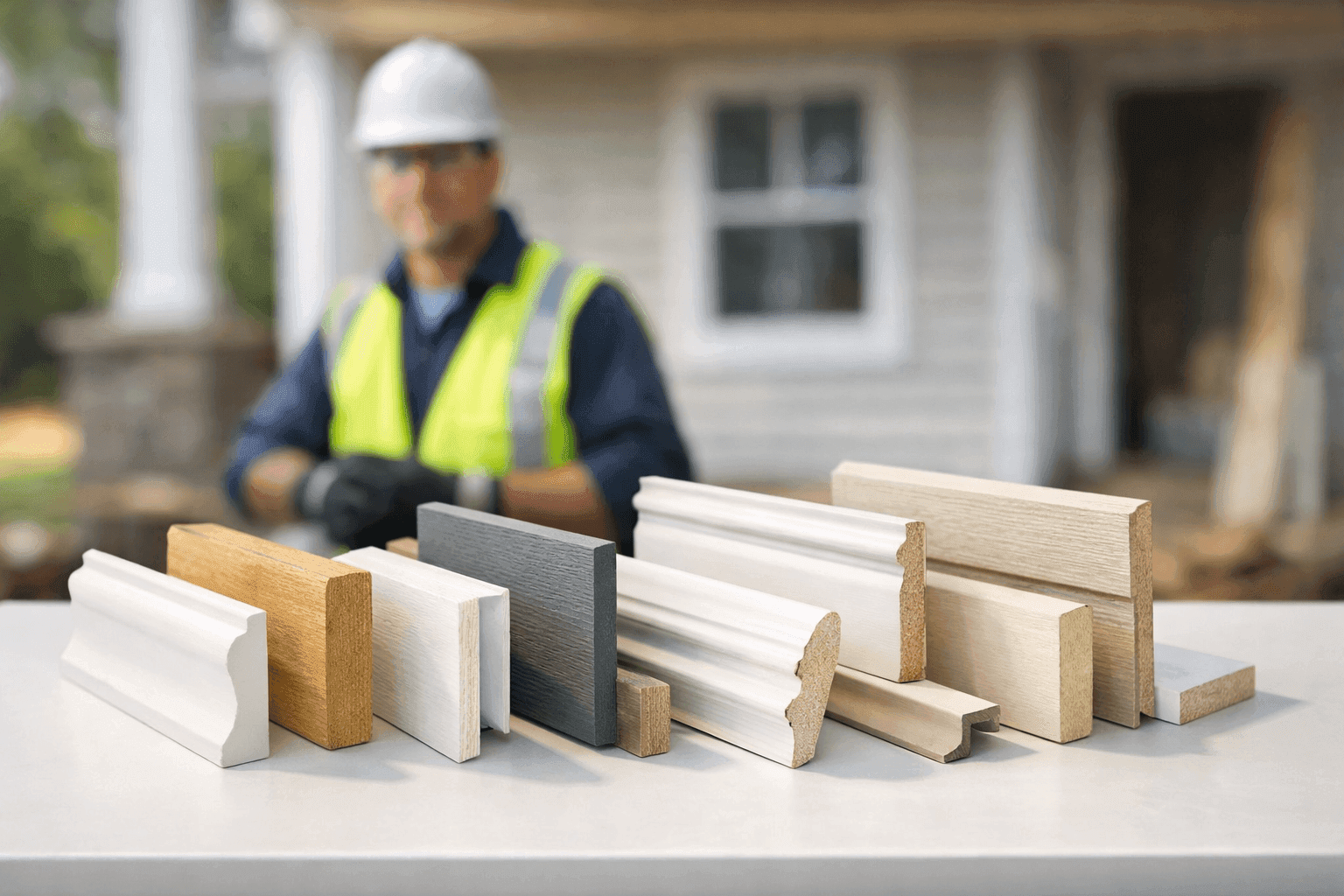
Is your siding missing that finished touch? Maybe the trim looks tired, or you’re building from scratch and want every edge to look sharp. Siding trim and moldings aren’t just decoration—they protect your home from weather, pests, and water damage. At Kroll Siding, we’ve walked hundreds of homeowners through these choices. Let’s make sure your home looks fantastic and stays protected for years.
Choosing the right siding trim is like picking the perfect frame for a painting. It can accentuate the style, hide rough edges, and create a lasting first impression. But with so many materials and styles, where do you start?
Trim and Molding Types: What Are Your Options? 🏡
Think of siding trim and moldings as the punctuation marks of your home’s exterior. They define lines, add character, and seal out the elements. Here are the most popular types you’ll encounter:
- Wood Trim: Classic and versatile. It can be painted or stained, but needs regular upkeep to prevent rot and warping.
- PVC and Vinyl Trim: Low-maintenance favorites. They resist moisture, bugs, and peeling—perfect for busy homeowners.
- Fiber Cement Trim: Tough as nails. It holds up in all weather, resists fire, and delivers a crisp, modern look.
- Metal Trim: Sleek and durable, often seen on modern or industrial homes. Aluminum and steel options are rust-resistant and sturdy.
- Engineered Wood and Composite: Blends real wood with resins for extra durability. Great if you want a wood look without constant maintenance.
Each material brings its own strengths. For example, vinyl outlasts wood in wet climates, while fiber cement stands up to storms and fire. For help narrowing down materials, our Trim and Molding Installation service takes the guesswork out.
Choosing the Right Style for Your Home
Not every trim suits every house. The style should match your architecture—just like a tie complements a suit. Here’s how to pair them:
- Colonial and Traditional: Go for crisp white wood or composite trim with decorative moldings. Crown moldings or fluted designs add historic charm.
- Craftsman: Wide, flat trim in earthy tones. Simple, straight lines match the handcrafted feel.
- Modern or Contemporary: Minimalist metal or fiber cement trim. Clean edges and subtle colors.
- Farmhouse or Cottage: Wider trim, sometimes with a rustic, hand-hewn texture. Soft whites, creams, or pale blue-greens work well.
Color also matters. A contrasting trim color can make your siding pop, while a subtle match creates a seamless look. For tailored advice, explore our siding color consultation and let a designer guide you.
The Role of Trim in Weatherproofing
It’s not just about looks. Trim and moldings serve as armor for your siding. Properly installed, they direct water away from vulnerable joints and block out pests. This is key for Siding Flashing Repair near you, especially if your area sees heavy rain or snow.
Quality trim means fewer leaks, less mold, and a longer lifespan for your siding.
Installation Basics: What to Expect
Most trim installation follows a few key steps:
- Preparation: Remove old trim, inspect for damage, and repair any rot or soft spots.
- Measuring and Cutting: Precision matters. Trim should fit snugly, with mitered corners for a clean look.
- Securing: Fasten with corrosion-resistant nails or screws. Some materials need special adhesives too.
- Sealing: Caulk all seams and joints to keep moisture out.
- Finishing: Paint or stain wood trim, or touch up caulked areas.
For safety, always wear protective gear, and follow manufacturer guidelines. The International Residential Code (IRC) offers up-to-date standards for siding and trim installation.
Durability: How Do Materials Stack Up?
Not all trim lasts the same. Here’s a quick comparison:
- Wood: 5–15 years with regular upkeep. Vulnerable to rot and insect damage.
- Vinyl/PVC: 20–40 years. Minimal maintenance, but can crack if hit hard.
- Fiber Cement: 30–50 years. Nearly weatherproof, but heavier to install.
- Metal: 40+ years. Resists fire, pests, and weather—just make sure it’s properly coated.
- Engineered Wood: 20–30 years. More durable than plain wood, but needs some care.
Ask yourself: How much time do you want to spend on upkeep? Is your home exposed to harsh weather? Choosing for durability now means less hassle later.
Designer Advice: Matching Trim to Siding
Professional designers look for harmony. They consider:
- Contrast: White trim on dark siding is timeless, while dark trim on light siding feels modern.
- Width: Wide trim draws the eye, while narrow trim is subtle.
- Texture: Smooth trim suits modern styles; wood-grain textures fit rustic homes.
A well-chosen trim makes your home stand out—without overpowering the architecture.
Real Project Inspiration
Picture a classic brick colonial with bold white fiber cement trim. Or a sleek modern build with matte black metal moldings. At Kroll Siding, we’ve completed hundreds of homes, each with unique trim details that lift the entire look.
Want more inspiration? See our portfolio or check out recent siding projects in our Pasadena siding installation gallery—where local homeowners have transformed their curb appeal with smart trim choices.
DIY vs. Call a Pro
Handy homeowners can install basic trim, but complex corners, multi-story homes, or specialty materials are best left to professionals. Mistakes can lead to leaks, warped boards, or gaps that invite pests. Our expert team handles everything—from precise cuts to perfect caulking.
Quick Safety Checklist
- Use safety goggles and gloves.
- Keep ladders stable and secure.
- Follow all manufacturer instructions.
- Don’t rush—careful work pays off in the long run.
Common Mistakes to Avoid
- Skipping caulking: Leaves gaps for water and bugs.
- Using the wrong fasteners: Can cause rust stains or loose trim.
- Neglecting paint/stain: Wood trim needs sealing to survive the seasons.
- Poor measurements: Leads to unsightly gaps or uneven edges.
Seasonal Considerations
Trim expands and contracts with the weather. Install in moderate temperatures for best results, and always leave a small gap (filled with flexible caulk) at joints.
Regularly check caulk and paint before winter or rainy seasons—catching small issues now saves big repairs later.
Care and Maintenance Tips 🧹
- Wash trim and moldings once a year with mild soap and water.
- Inspect for cracks, peeling, or gaps—especially after storms.
- Re-caulk seams as needed to prevent leaks.
- Repaint or restain wood trim every few years, or as needed.
With a little routine care, your trim will keep looking sharp for decades.
When to Replace or Repair Trim
If you notice soft spots, rot, deep cracks, or warping, it’s time to act. Prompt siding trim repair prevents more costly damage down the road. Even small issues—like peeling paint or loose boards—are worth fixing early.
For emergencies or major repairs, our team offers Siding Flashing Repair near you—fast, reliable, and thorough.
Costs and Time Factors
Trim and molding installation costs depend on:
- Material choice (wood is usually cheapest; fiber cement or metal costs more).
- House size and number of windows/doors.
- Complex designs or custom colors.
- Labor (DIY saves, but pro installation delivers peace of mind).
Most residential trim jobs take 2–5 days, depending on scope.
Siding Trim FAQ
How often should I repaint trim?
Wood trim needs repainting every 3–7 years, depending on weather and paint quality.
Can I mix trim materials?
Yes, as long as they complement each other and suit your home’s style.
Is thicker trim better?
Thicker trim stands out more but isn’t always “better.” Match width to your home’s proportions.
Will new trim boost my home value?
Absolutely. Fresh, well-chosen trim adds curb appeal and can increase resale value.
Final Thoughts: Frame Your Home with Confidence
Siding trim and moldings are more than finishing touches—they’re vital to your home’s protection, style, and value. Whether you prefer timeless wood, modern metal, or low-maintenance vinyl, the right choice is out there.
Ready to upgrade your curb appeal? Have questions about materials, color, or installation? Kroll Siding is here to help, from first consultation to final touch-up.
Call Kroll Siding now — or reach us anytime at 888-892-6286 .