How to Clean Your Siding Without Damaging It
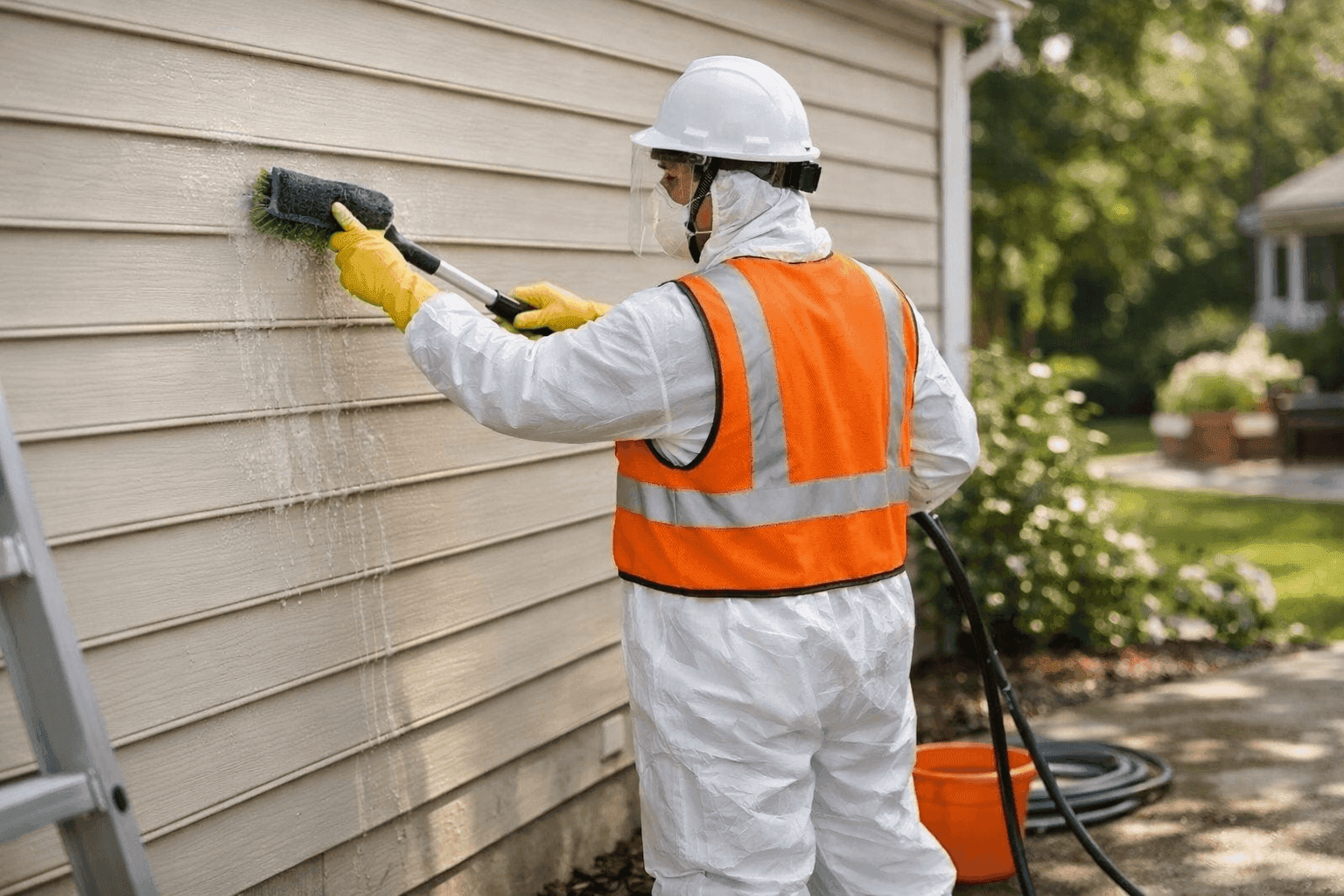
Keeping your home’s siding clean isn’t just about curb appeal. It’s about protecting your biggest investment from the elements, mold, and long-term wear. But here’s the catch—cleaning siding isn’t one-size-fits-all. The wrong method can turn a simple Saturday chore into a costly headache.
At Kroll Siding, we’ve seen it all—warped panels from power washers, stains set in by the wrong soap, and even accidental damage from overzealous scrubbing. If you want your siding to last, you need the right approach. Let’s break it down, material by material, to help you avoid the pitfalls and keep your home looking sharp.
Choosing the Right Cleaning Method
Every siding material is like a personality—each one reacts differently under pressure. Here’s how to match your cleaning method to your siding type:
Vinyl Siding
Vinyl is the go-to for easy care, but it still needs a gentle hand. Use a soft-bristle brush or a microfiber cloth. For cleaning, mix one part mild dish soap with ten parts water. Avoid harsh chemicals or abrasive pads. Pressure washers? Only on low, and always spray downward, never upward—otherwise, you risk forcing water behind the panels.
Wood Siding
Wood is like a fine leather jacket: beautiful, but sensitive. Stick to soft brushes and wood-safe cleaners (look for biodegradable options). Never saturate wood; too much water invites rot. Rinse lightly and let the sun do the drying.
Fiber Cement Siding
Fiber cement is durable, but not invincible. Avoid wire brushes and high-pressure washing, which can erode the finish. Use a garden hose, a mild detergent, and a non-abrasive sponge. Clean in small sections and rinse before the soap dries.
Metal Siding
Metal siding takes a beating but hates scratches. Use a soft cloth with a gentle cleaner (like diluted dish soap). Rinse thoroughly to prevent residue. For stubborn spots, a paste of baking soda and water can work wonders. Stay away from steel wool or anything abrasive.
Tools and Products to Use 🧽
The right tools make the job easier and safer for your siding. Here’s your kit:
- Soft-bristle brushes or microfiber cloths
- Buckets (one for clean, one for soapy water)
- Garden hose with spray nozzle
- Mild, non-toxic detergents (avoid ammonia or bleach)
- Extension poles for reaching high spots
- Safety goggles and gloves
Industry tip: The U.S. Department of Energy recommends using environmentally responsible cleaners to protect your landscaping and local waterways.
How Often to Clean
How often you clean depends on your local environment, but here’s a good rule of thumb:
- Vinyl, Fiber Cement, Metal: Once a year is usually enough, but check for mold or heavy dirt after storms.
- Wood Siding: Twice a year—spring and fall—plus after any major storms.
- Heavy Shade/Tree Coverage: More frequent cleaning may be needed to prevent algae or moss.
Regular siding cleaning also makes it easier to spot early signs of trouble, like cracks, warping, or fading. That’s the kind of preventive care that saves money in the long run.
Quick Safety Checklist 🦺
Before you get started, take a minute for safety:
- Inspect your ladder for stability and damage.
- Wear gloves to protect your hands from chemicals and splinters.
- Use safety goggles to keep debris and cleaner out of your eyes.
- Never mix cleaning agents—especially those containing bleach or ammonia.
- Keep children and pets safely away from your work area.
Common Mistakes Homeowners Make
It’s easy to make a mess when you’re trying to clean up. Here are the most common blunders—and how to avoid them:
- Using high-pressure washers on delicate siding
- Cleaning in direct sunlight (soap dries too fast, leaving streaks)
- Skipping the rinse (leaves residue)
- Using harsh chemicals that strip finish or cause discoloration
- Ignoring the manufacturer’s care instructions
Treat your siding as you would your favorite car—gentle washing, soft cloths, and the right soap make all the difference.
Signs Your Siding Needs Extra Attention
Cleaning is more than just washing away dirt. It’s a chance to spot problems early:
- Mold, mildew, or algae that keeps returning
- Warped, cracked, or loose panels
- Chalky residue (especially on older vinyl or fiber cement)
- Peeling paint or rust on metal
- Water stains or streaks that don’t rinse off
If you notice any of these, it could signal a need for repairs or Siding Flashing Repair.
DIY or Call a Pro?
Some jobs are best left to the pros—especially if:
- Your siding is high or hard to reach safely
- There’s visible mold, mildew, or pest damage
- You’re unsure about the right cleaning method for your siding
- You spot signs of structural or weather-related damage
Professional siding cleaning isn’t just about getting the job done quickly. It’s about protecting your investment, your home, and your safety. Our team at Kroll Siding uses industry-recommended products and up-to-date safety practices with every service.
What Happens When Pros Arrive
Expect a thorough inspection first. We look for trouble spots—loose panels, damaged flashing, signs of moisture intrusion. Then we choose the right cleaning technique for your siding. No guesswork. No risky shortcuts. We finish with a gentle rinse and clean up, leaving your home as neat as we found it.
Need more than a wash? We offer Siding Cleaning and related services from caulking to weatherproofing.
When It’s an Emergency
Sometimes, cleaning can’t wait. If your siding is covered with storm debris, mud, or shows signs of water infiltration, call for emergency help. Leaving it too long can lead to permanent staining, mold growth, or structural issues.
Prevention & Maintenance
Routine cleaning is just the start. Keep bushes and trees trimmed back to prevent scratches and mildew. Inspect gutters and downspouts to keep water away. Quick fixes—like sealing gaps and repainting exposed spots—can prevent bigger problems.
For more in-depth seasonal tips, siding inspection, and siding maintenance, our team is here to help.
Seasonal Considerations
Spring and fall are the best times for a deep clean. Avoid freezing weather (water expands in gaps and can cause cracks) and the peak of summer (cleaners can evaporate too quickly). After storms, do a quick visual check—especially for wind-blown debris, tree sap, or mud splatter.
Timeline & Disruption
A typical siding cleaning takes a half day for most homes—longer for large or multi-story properties. We work quickly, but carefully, to minimize disruption. You can usually stay home and go about your normal routine.
Environmental Considerations 🌱
Whenever possible, use biodegradable, phosphate-free cleaners. Rinse runoff away from storm drains and flower beds. If you’re worried about local regulations, check with your city’s environmental services. The U.S. Environmental Protection Agency (EPA) offers safe cleaning guidelines for homeowners.
Costs & Time Factors
DIY cleaning is affordable—just your time, some elbow grease, and basic supplies. Professional cleaning varies by siding type, square footage, and accessibility. Regular cleaning can extend the lifespan of your siding, saving you money on repairs and replacement.
FAQ: Quick Answers
Q: Can I use bleach on my siding?
A: Only if the manufacturer specifically allows it. Bleach can discolor siding and harm plants.
Q: Is pressure washing safe for all siding?
A: No. Use extreme caution. High pressure can force water behind panels or damage finishes.
Q: What about painted siding?
A: Use the gentlest cleaners and avoid scrubbing. If the paint is flaking, consider repainting after cleaning.
Q: Where can I find local siding cleaning help?
A: For siding cleaning and maintenance in your area, check our Eau Claire siding service page.
Final Thoughts
Your home’s siding deserves a little TLC. With the right approach, you can keep it looking sharp and protect it from costly damage. When in doubt—or when the job’s too big—call the professionals who treat your home like their own.
Call Kroll Siding now — or reach us anytime at 888-892-6286 .