How to Extend the Life of Your Home’s Siding
Is your home’s siding looking tired, faded, or starting to show those tiny cracks? You’re not alone. Every year, thousands of homeowners notice their siding just isn’t what it used to be. That’s more than cosmetic. Siding protects your home from wind, rain, heat, and freezing cold—all year round. At Kroll Siding, we know how vital it is to keep that barrier strong. You want your home to look sharp—and last.
Extending the life of your siding isn’t rocket science. It’s about knowing what to look for, how to care for it, and when to ask for help. Let’s break it down, step by step.
Why Siding Matters More Than You Think
Siding is like your home’s raincoat. It shields against the weather, keeps moisture out, and insulates against wild temperature swings. But just like any coat, it needs care—or it stops working. When siding fails, water sneaks in, leading to rot, mold, or expensive structural repairs down the road.
Well-maintained siding also boosts curb appeal and energy efficiency, saving money in the long run. That’s why regular attention isn’t just smart—it’s essential.
The Impact of Climate on Siding Lifespan 🌦️
Not all weather is created equal. In regions with harsh winters, heavy storms, or blazing summer heat, siding wears out faster. Even if you don’t live where hurricanes hit, strong winds and temperature swings can loosen panels and crack caulking. Humidity encourages mold growth, while UV rays fade colors and weaken materials.
If your area experiences lots of rain or you’re on the windy side of town, plan for more frequent checks and maintenance. The National Association of Home Builders (NAHB) recommends annual siding inspections for homes in variable climates.
Siding Materials: How They Perform Over Time
Different siding materials age in different ways. Here’s what to expect:
- Vinyl siding: Lasts 20–40 years with proper care. Resistant to moisture but can crack in extreme cold or warp in heat.
- Wood siding: Beautiful, but needs the most attention. Paint or stain every few years; watch for rot and insects.
- Fiber cement: Tough and fire-resistant. Needs repainting every 10–15 years but rarely warps.
- Metal siding: Long-lasting and low-maintenance, but can dent from hail or hard impacts.
- Stucco siding: Durable if installed right. Look for cracks or chips after harsh weather.
Selecting the right material at the start can make a huge difference in how much maintenance you’ll need later. For personalized advice, consider a siding material consultation.
Routine Siding Maintenance: Your Annual Game Plan
Think of siding care like a regular oil change for your car. It doesn’t take long and pays off big.
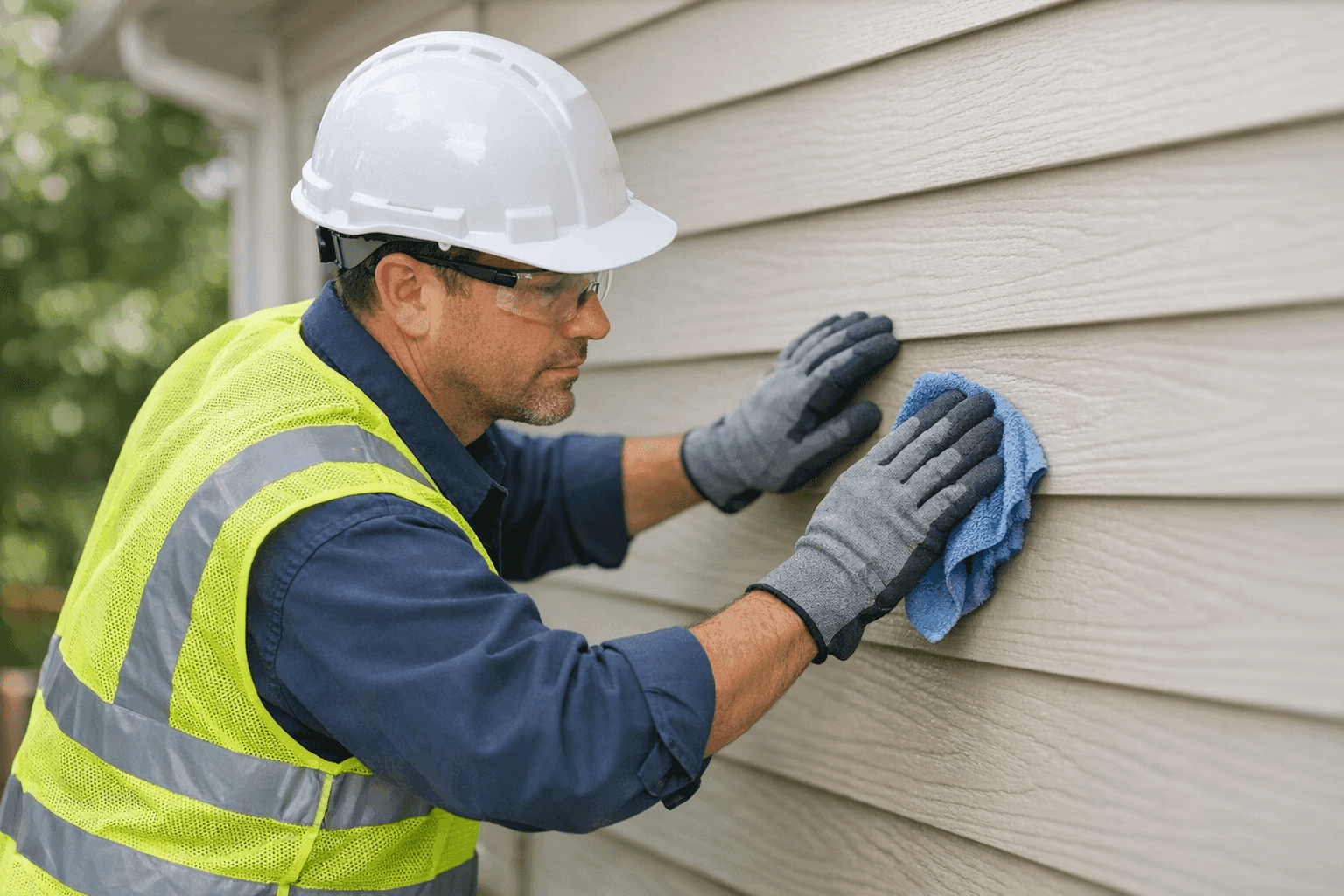
- Wash it down: Dirt, pollen, and mold cling to siding—not just after storms. A gentle scrub with water and mild soap once or twice a year keeps buildup away. For stubborn stains or mildew, use a solution of 70% water and 30% white vinegar.
- Check for damage: Walk around your home every few months. Look for loose boards, cracked pieces, peeling paint, or gaps around windows and doors.
- Test the caulk: Press gently on seams and joints. If the caulk crumbles, peels, or feels rubbery, it’s time to reseal.
- Trim back plants: Shrubs and vines trap moisture. Keep them at least a foot away from siding.
- Clean your gutters: Overflowing gutters dump water onto siding, leading to rot or mold. Make gutter cleaning part of your seasonal routine.
For a deeper clean or help with tough grime, professional siding cleaning can restore your home’s shine.
Caulking and Sealing: The Unsung Heroes
Seams, joints, and corners are where trouble starts. Over time, caulk loses its grip. Water sneaks in. Cold air whips through. Resealing these spots every few years is a simple, affordable way to keep your siding airtight and weatherproof.
Use exterior-grade caulking and follow manufacturer guidelines. Pay special attention to windows, doors, and where siding meets trim. The U.S. Department of Energy recommends regular caulk checks as part of any home energy audit.
Siding Flashing Repair Near You: Why It Matters
Flashing is the thin, metal or plastic material that directs water away from openings—like windows, doors, and rooflines. Damaged or missing flashing is a leading cause of leaks. If you spot rust, gaps, or loose flashing, call for siding flashing repair near you before the next big storm.
When to Call in the Pros
Some jobs are DIY-friendly (cleaning, minor caulking), but others need trained eyes and hands. Call a professional if:
- You see widespread cracks, sagging, or rot
- Siding panels are missing or warped
- Water stains appear inside your home
- There’s visible mold or pests behind panels
- You’re unsure what material you have or how to care for it
A licensed siding contractor follows local building codes and safety standards—protecting your investment and your family.
How to Spot Early Signs of Siding Trouble 👀
Catch problems early and you’ll save yourself headaches (and cash). Watch for:
- Paint bubbling or peeling—signs water is trapped beneath
- Soft or spongy spots—possible rot
- Gaps between siding and trim
- Discoloration or green patches—likely mold or algae
- Unexplained spikes in energy bills
If you notice any of these, schedule a siding inspection. The International Association of Certified Home Inspectors (InterNACHI) recommends annual exterior checks for all homes.
Upgrades That Make a Difference
Modern siding materials offer better weather resistance, energy savings, and curb appeal than older options. Consider:
- Insulated siding: Adds an extra layer of protection and reduces heating/cooling costs.
- Eco-friendly siding: Choose recycled or sustainable materials to lower your carbon footprint.
- Siding ventilation solutions: Prevent moisture buildup behind panels.
- New color or finish: Siding painting or color consultation can totally refresh your home’s look.
Seasonal Siding Maintenance: What to Do and When
- Spring: Clean off winter grime, check for damage from ice and snow, trim plants.
- Summer: Inspect for fading or warping from sun exposure.
- Fall: Clear gutters, repair caulk before cold sets in, prep for storms.
- Winter: Watch for ice dams and inspect after major snow or wind events.
The Cost of Neglect: What Happens If You Skip Maintenance
It’s tempting to let siding care slide. But small issues become big ones fast. Water gets in, wood rots, insulation sags, and pests move in. Replacement costs far more than a little yearly attention.
Siding Replacement: When It’s Time to Start Fresh
Even the best siding has a lifespan. If your siding is more than 30 years old, shows widespread damage, or no longer protects against drafts and leaks, replacement may be the best option. Modern materials last longer and require less upkeep.
A full siding replacement disrupts your home for a week or two but brings big rewards—better protection, higher resale value, and peace of mind.
Common Siding Care Mistakes to Avoid
- Ignoring minor cracks or holes
- Using harsh cleaners or pressure washers that damage finishes
- Painting over mold or rot
- Blocking vents with landscaping or debris
- Forgetting to check behind gutters and downspouts
Safety First: A Quick Homeowner’s Checklist 🛡️
- Always use safe, stable ladders—not makeshift setups.
- Wear gloves and eye protection when cleaning or caulking.
- Don’t climb on roofs or high areas unless you’re trained and equipped.
- For big jobs or anything involving electrical lines, call a pro.
For more tips or high-quality siding maintenance, check out our siding maintenance service.
FAQ: Siding Maintenance and Upkeep
How often should I clean my siding?
At least once a year, or more if your area is dusty, humid, or prone to storms.
Can I repair siding myself?
Small holes or caulk touch-ups, yes. Major repairs or anything involving structural issues—call in help.
Is there siding flashing repair near me?
Kroll Siding offers flashing repair and more—just ask about availability in your area.
What about color fading?
Some fading is natural. Repainting or replacing is the best fix for older, sun-damaged panels.
How do I know if it’s time for replacement?
If you see widespread damage, rot, or rising energy bills, it’s time to explore new options.
Ready to Protect Your Home’s Exterior?
A sturdy, well-cared-for siding system is your home’s first line of defense. Proactive habits, regular inspections, and the right upgrades go a long way. For residential siding solutions, repairs, or to schedule a siding inspection, check out our Charleston siding experts for top-notch service.
Call Kroll Siding now — or reach us anytime at 888-892-6286 .