How to Handle Siding Damage from Hail and Debris
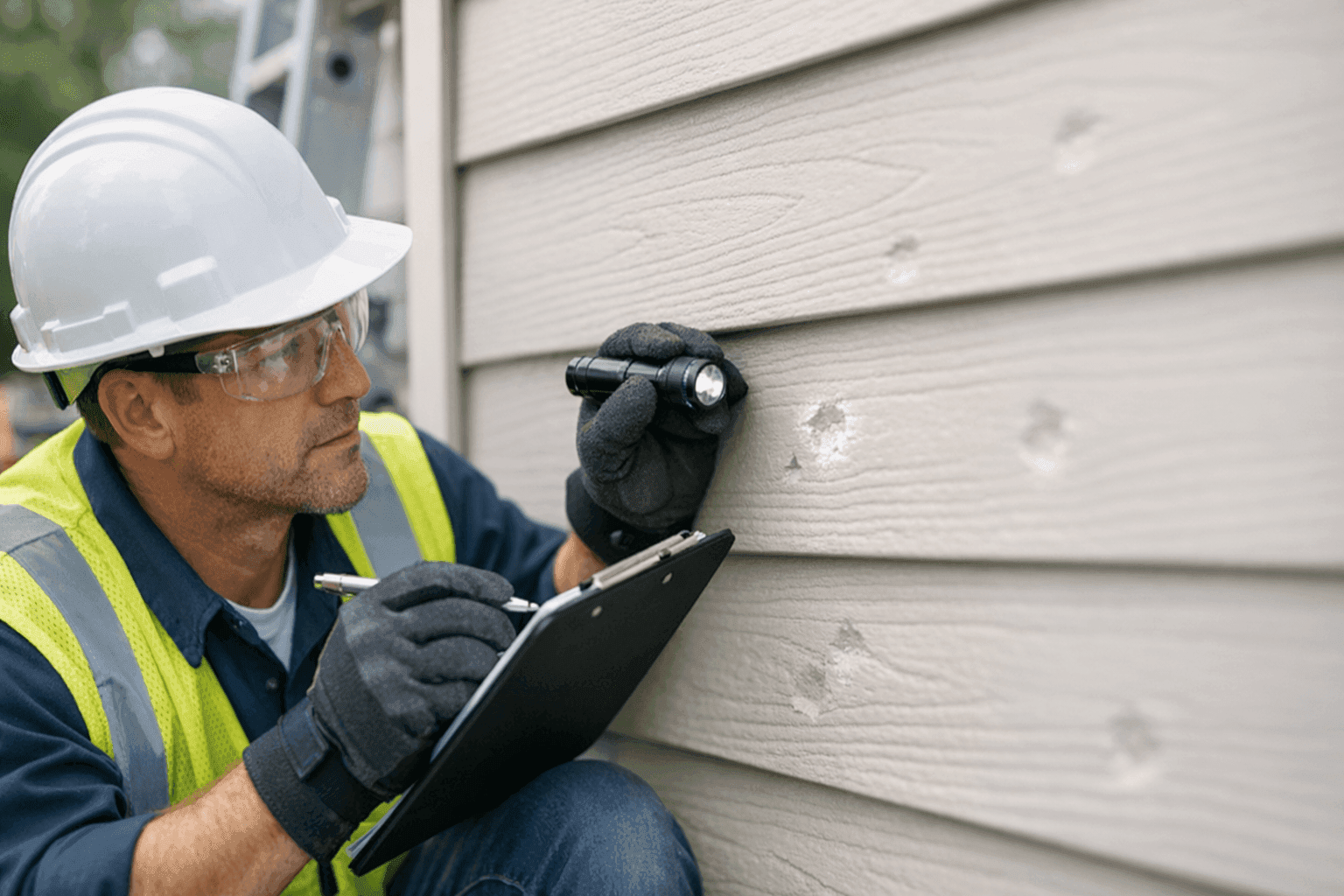
When a hailstorm hits, it can feel like your home is under siege. Siding takes the brunt of it—protecting what matters most. But what do you do when the clouds clear and you see dings, cracks, or even holes in your home’s armor?
You’re not alone. At Kroll Siding, we’ve helped hundreds of homeowners bounce back fast. Quick, smart action now can save you headaches (and cash) later.
When Hail and Debris Leave Their Mark
Hail and flying debris can turn the outside of your home into a battered shield. Sometimes, the damage is obvious—dented panels, chipped paint, or even shattered trim. Other times, the problems hide beneath the surface.
Siding is your home’s raincoat. When it’s torn, water sneaks in, leading to bigger issues like mold or rot. That’s why it’s crucial to check for problems as soon as it’s safe.
Quick Safety Checklist Before You Inspect 🛑
Before you grab a ladder or walk the yard, stop and scan for hazards:
- Watch for downed power lines or sharp debris.
- Avoid climbing on wet or unstable surfaces.
- Wear sturdy shoes and gloves.
- If you see severe structural damage, don’t go closer—call professionals.
Your safety comes first, always.
Signs of Hidden Siding Damage
Not all wounds are skin-deep. Hail can bruise siding panels or loosen fasteners in ways you might not spot at a glance. Here’s what to look for:
- Small cracks or splits, especially at panel edges or seams
- Dents or pockmarks in metal and vinyl siding
- Chipped paint or finish—an early sign of deeper trouble
- Warped or bulging panels
- Moisture stains or soft spots on nearby drywall
A flashlight helps you spot subtle changes in texture or color. Remember, even tiny gaps can invite water and pests.
What to Do Right After the Storm
Timing is everything. As soon as the skies clear, take these steps:
- Take wide and close-up photos of any visible siding damage.
- Write down the date/time of the storm and what you see.
- Keep any fallen debris (like hailstones or branches) for your insurance claim.
- Check gutters, soffits, and fascia. These areas take hits too.
- Look for leaks indoors, especially around windows and walls facing the storm.
This paper trail will speed up repairs and help with insurance.
Filing a Siding Insurance Claim
Insurance claims can feel like a maze. Start with these simple moves:
- Contact your insurer ASAP—most have a 24-hour hotline.
- Share your photos, notes, and any weather alerts (NOAA and local news count as proof).
- Schedule an adjuster’s inspection.
- Ask if you need temporary repairs to prevent more damage.
Don’t delay—most policies have quick deadlines. Keep every receipt for materials or emergency repairs.
Temporary Fixes You Can Try
If you spot cracks, holes, or missing panels, don’t leave your home exposed. Temporary fixes can be lifesavers:
- Cover holes with heavy-duty plastic sheeting and duct tape.
- Use caulk to seal small cracks or gaps.
- For loose trim, gently nail it back in place until help arrives.
These quick patches buy you time, but they’re not long-term solutions. Avoid using makeshift materials that could make things worse.
When to Call in the Pros
Some repairs are best left to those with the right tools and know-how. Call Kroll Siding if:
- There’s widespread cracking, warping, or holes.
- Water is leaking inside.
- You see damage near electrical lines or meter boxes.
- You’re unsure how deep the damage goes.
A professional inspection can spot what the eye misses. Our team uses tools and methods that meet International Residential Code (IRC) standards for siding safety and performance.
What Siding Pros Do on Arrival
Here’s what happens when our crew shows up:
- Thorough inspection—inside and out, roofline to foundation.
- Moisture meter readings—to detect hidden leaks.
- Full written report—with photos, repair options, and honest cost breakdowns.
- Recommendations for repair, replacement, or emergency siding services if needed.
We’ll walk you through every step, so you never feel left in the dark.
Common Mistakes Homeowners Make
After a storm, it’s easy to rush or cut corners. Here’s what to avoid:
- Ignoring small cracks—they grow fast.
- Using the wrong materials for patching.
- Waiting too long to call for help.
- Forgetting to check hidden spots like soffits and flashing.
- Not documenting everything for insurance.
A little caution now saves big repairs later.
Siding Materials: Which Hold Up Best?
Not all siding stands up to hail the same way. Here’s a quick rundown:
- Vinyl siding: Affordable and easy to repair, but can crack from big hailstones.
- Fiber cement: Tough and resistant to dents.
- Metal siding: Strong against debris but may show dents.
- Wood siding: Beautiful but needs prompt maintenance after a storm.
Choosing the right material—and maintaining it—means fewer headaches down the road. If you're planning a project, our Siding Material Consultation can help you make the right call.
How Long Will Repairs Take?
Every home is different. Minor repairs might take a day, while major siding replacement could stretch to a week or more. Factors include:
- The extent of damage
- Siding material availability
- Weather conditions
- Insurance approval process
We’ll keep you updated every step of the way.
Costs: What to Expect
Repair costs vary by:
- Type of siding
- Size of the damaged area
- Labor and material needs
Insurance often covers storm-related siding repairs, minus your deductible. We provide clear, upfront quotes—no surprises.
When It’s an Emergency 🚨
If siding damage exposes electrical wiring, leads to active leaks inside, or is part of broader storm damage (like a fallen tree), it’s an emergency. Quick action can protect your entire home from further harm.
Our team is ready with storm damage repair and fast response options.
Seasonal Storms: Be Ready Next Time
Storms are a fact of life in many places. Prepare your siding with these steps:
- Schedule regular siding inspections (especially before storm season).
- Keep trees trimmed and gutters clear.
- Add siding caulking and sealing where gaps appear.
- Upgrade to impact-resistant materials if you live in a hail-prone region.
A little prevention goes a long way.
Siding Flashing Repair Near You
Flashing is the unsung hero—keeping water out. After hail, check it for dents, rust, or separation from the wall. Siding Flashing Repair near you can mean the difference between a quick fix and a long-term headache.
Frequently Asked Questions
How soon should I check my siding after a storm?
As soon as it’s safe. The faster you spot damage, the easier it is to prevent bigger problems.
Can I patch siding myself?
Small cracks or holes can be covered temporarily, but long-term repairs should be handled by professionals.
Will insurance cover all siding repairs?
Most policies cover storm damage, but check your deductible and policy details.
Is there a best time of year for siding repairs?
Any time after damage is found, but spring and fall often offer the best weather for lasting repairs.
Common Signs Your Siding Needs Immediate Attention
- Water stains or bubbling paint indoors
- Foul odors near walls (possible mold)
- Unexplained spikes in energy bills (damaged insulation)
- Visible holes or large cracks on the exterior
Don’t ignore these warning bells.
Timeline and Disruption: What to Expect
Most siding repairs are minimally disruptive. We work around your schedule and keep noise and mess to a minimum. For major replacements, we’ll outline a timeline so you know what to expect.
For Homeowners in Lacey and Beyond
If you’re searching for a dependable siding contractor in Lacey, Kroll Siding is here to help with everything from emergency patching to full siding replacement.
Storms can be tough, but you don’t have to weather them alone. Whether you need a quick inspection, temporary fix, or full repair, Kroll Siding is just a call away.
Call Kroll Siding now — or reach us anytime at 888-892-6286 .