How to Handle Siding Storm Damage: Step-by-Step
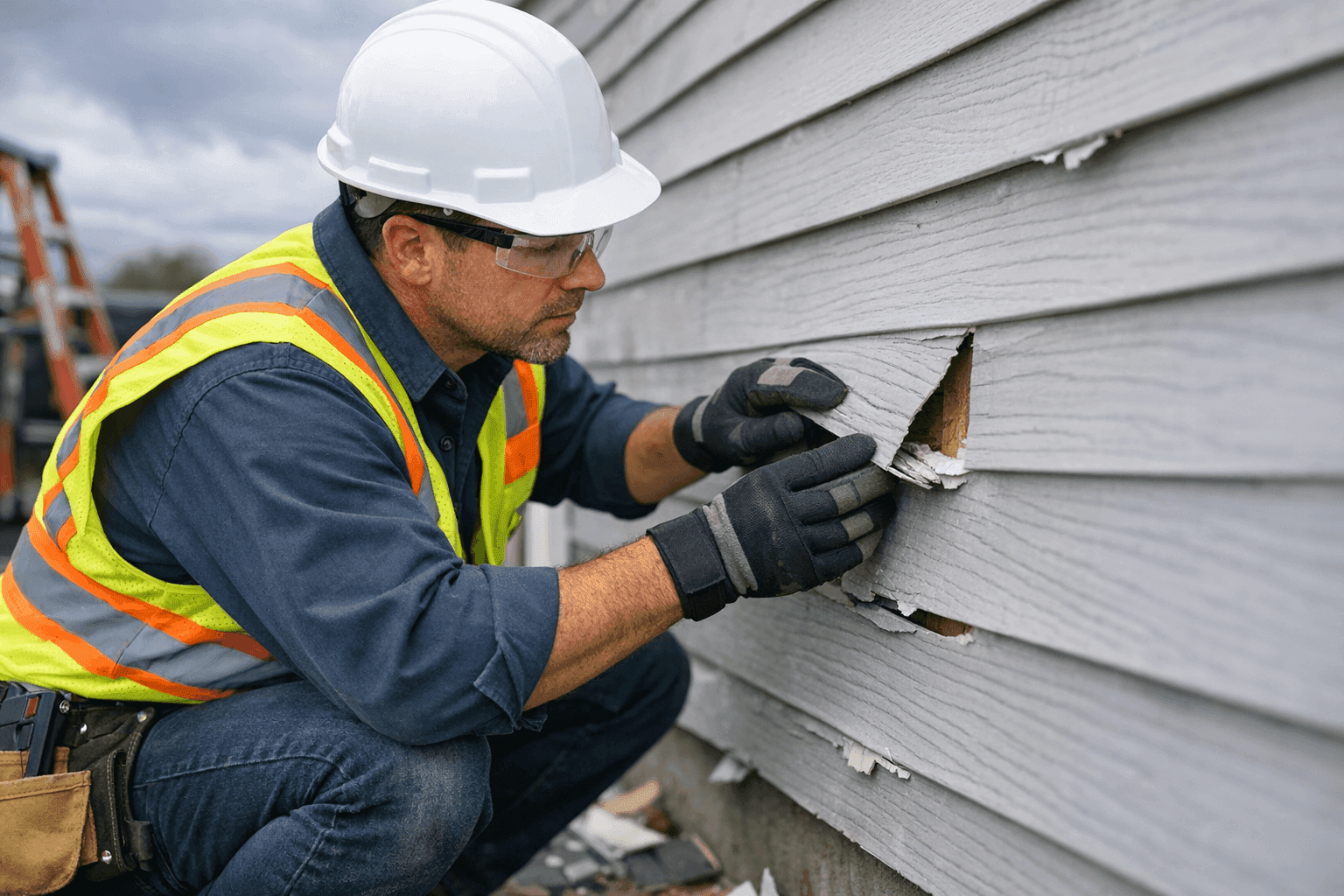
When a storm tears through your neighborhood, it can feel like chaos has landed on your doorstep. Shingles scatter, gutters bend, and siding? It takes the brunt—shielding your home, but sometimes at a cost.
Storm damage isn’t just about looks. Fast action keeps your house safe, dry, and protected from the next downpour. At Kroll Siding, we’ve seen it all, and we’re here to guide you through the first steps, so you’re not left guessing or overwhelmed.
Immediate Steps After a Storm 🛑
Start with safety. Before you even step outside, check for downed power lines, sharp debris, or anything dangling dangerously overhead. If you spot electrical hazards, call your utility company immediately—don’t risk it.
- Wait until the storm is fully over and conditions are safe.
- Wear boots, gloves, and eye protection.
- Avoid walking under unstable trees or structures.
- Keep children and pets inside until the area is secure.
If you smell gas or hear hissing around gas lines, evacuate and call 911 right away.
Checking Your Siding: The Quick Visual Scan
Walk the perimeter of your home slowly. Look for:
- Cracked, dented, or missing siding panels
- Gaps or holes near windows, doors, or corners
- Detached trim, soffits, or fascia
- Water stains or dark spots on the siding or foundation
Use your phone to snap photos and videos. This isn’t just for your records—it’s crucial for insurance claims later. Take wide shots and close-ups of the damage, and include a date stamp if possible.
Is It Safe to Stay Inside?
If you notice severe siding damage exposing wall sheathing or insulation, check inside for water leaks, drafts, or even pest entry. In heavy water intrusion cases, consider relocating until repairs are made to avoid mold or further structural issues.
Document Everything for Insurance
Good documentation is your safety net. Take clear photos, keep a written list of what you see, and jot down the time and date of your inspection. If you file an insurance claim, these details help your provider process things smoothly.
Pro tip: Don’t throw away damaged materials before an insurance adjuster visits, unless they pose a safety hazard.
Temporary Protection: Quick Fixes to Limit Damage
While you wait for repairs, you can keep things from getting worse:
- Use heavy-duty plastic sheeting or tarps to cover exposed areas.
- Secure loose panels with painter’s tape or weatherproof tape.
- Stuff rags or insulation into open gaps to block pests and drafts, but don’t seal in moisture.
Never attempt major repairs if you’re not comfortable on a ladder or if the structure seems unstable.
Siding Flashing Repair Near You: Why It Matters
Flashing is the thin sheet metal (or sometimes plastic) that keeps water from sneaking behind your siding. If it’s bent or missing after a storm, water can seep in and cause hidden rot. Proper flashing repair isn’t just a quick fix—it’s a long-term defense against future storms.
When to Call a Pro
Not all damage is visible from the ground. If you see:
- Large sections missing or dangling
- Signs of wet insulation, bubbling paint, or soft spots inside walls
- Gutters or downspouts pulled away from the house
- Mold, mildew, or musty smells indoors
…it’s time to call for storm damage repair. Trained teams can safely access high or awkward areas, spot hidden problems, and make code-compliant repairs.
Emergency Siding Services: What to Expect
Sometimes, damage is so severe you can’t wait. Emergency siding services mean rapid response—usually within hours. Crews can:
- Tarp and secure hazardous sections fast
- Remove loose debris safely
- Install temporary barriers until a full repair is scheduled
Kroll Siding prioritizes emergency calls to protect your home as quickly as possible.
What Professional Siding Repair Looks Like
Pros will do a detailed inspection, often using moisture meters and thermal cameras to check for hidden water. They’ll recommend the best repair strategy—whether it’s replacing a few panels, fixing flashing, or upgrading weatherproofing.
Authorized contractors will follow International Residential Code (IRC) guidelines and manufacturer recommendations for all siding and trim work.
Siding Material Matters
Vinyl, wood, fiber cement, stucco, and metal sidings all react differently to storms. For example:
- Vinyl may crack or blow off in high winds.
- Wood can swell, rot, or splinter.
- Fiber cement is tough but chips on heavy impact.
- Metal siding dents but rarely breaks.
Your repair plan depends on the type of siding you have and the extent of the damage.
How Long Will Repairs Take?
Minor fixes might take a day. Major jobs—like full panel or trim replacement—can take several days, especially if custom siding solutions are needed to match your existing look. Weather, material supply, and insurance approvals can affect the timeline.
Common Mistakes Homeowners Make
- Waiting too long to address minor damage—small cracks invite water in.
- Using the wrong materials for temporary repairs (like duct tape or untreated wood).
- Skipping flashing or caulking steps.
- Ignoring hidden areas like soffits or behind gutters.
Catch these early to avoid bigger headaches later.
Maintenance After Storms: Staying Ahead of Trouble
After repairs, regular siding inspection is key. Check after every major storm, especially before the next season rolls in. Clean gutters, check caulking, and trim back nearby trees to prevent future issues.
For more on annual care, see our siding inspection service.
Seasonal Considerations: Winter, Spring, Summer, Fall
- In winter, freeze-thaw cycles worsen existing cracks.
- Spring brings wind and hail—inspect for new dents or chips.
- Summer heat can warp vinyl.
- Fall leaves clog gutters and hide damage.
Schedule professional checks at least once per year—or after any major storm.
When Is Siding Damage an Emergency?
If you spot:
- Exposed wall sheathing or insulation
- Water pouring through gaps during rain
- Sagging panels at risk of falling
- Mold or musty odors spreading inside
Don’t wait. Contact emergency siding services right away to get things stabilized.
Frequently Asked Questions About Siding Storm Damage
Will my insurance cover the repairs?
Most homeowners insurance covers sudden storm damage, but not neglect or wear-and-tear. Document everything and call your provider promptly.
Can I match my old siding color and style?
Usually, yes. But weathering and discontinued products can make an exact match tricky. Kroll Siding offers siding color consultation to help blend new with old.
Is it safe to DIY repairs?
Small fixes are okay if you’re handy and it’s safe. For high, large, or complex repairs, call a pro to avoid injury or code violations.
How do I know if my siding is still weatherproof?
If in doubt, schedule a professional inspection. We use tools and know-how to spot leaks and seal weak spots.
Protect Your Home and Investment
Storms are unpredictable, but having a plan makes all the difference. Fast action—safety first, documentation, temporary fixes, and timely repairs—means your home stays strong, dry, and beautiful.
If you’re in the Delray Beach area and need siding inspection or storm damage siding repair, start with our Delray Beach siding team for fast, reliable siding services.
Call Kroll Siding now — or reach us anytime at 888-892-6286 .