How to Identify Siding Issues Before They Cause Interior Damage
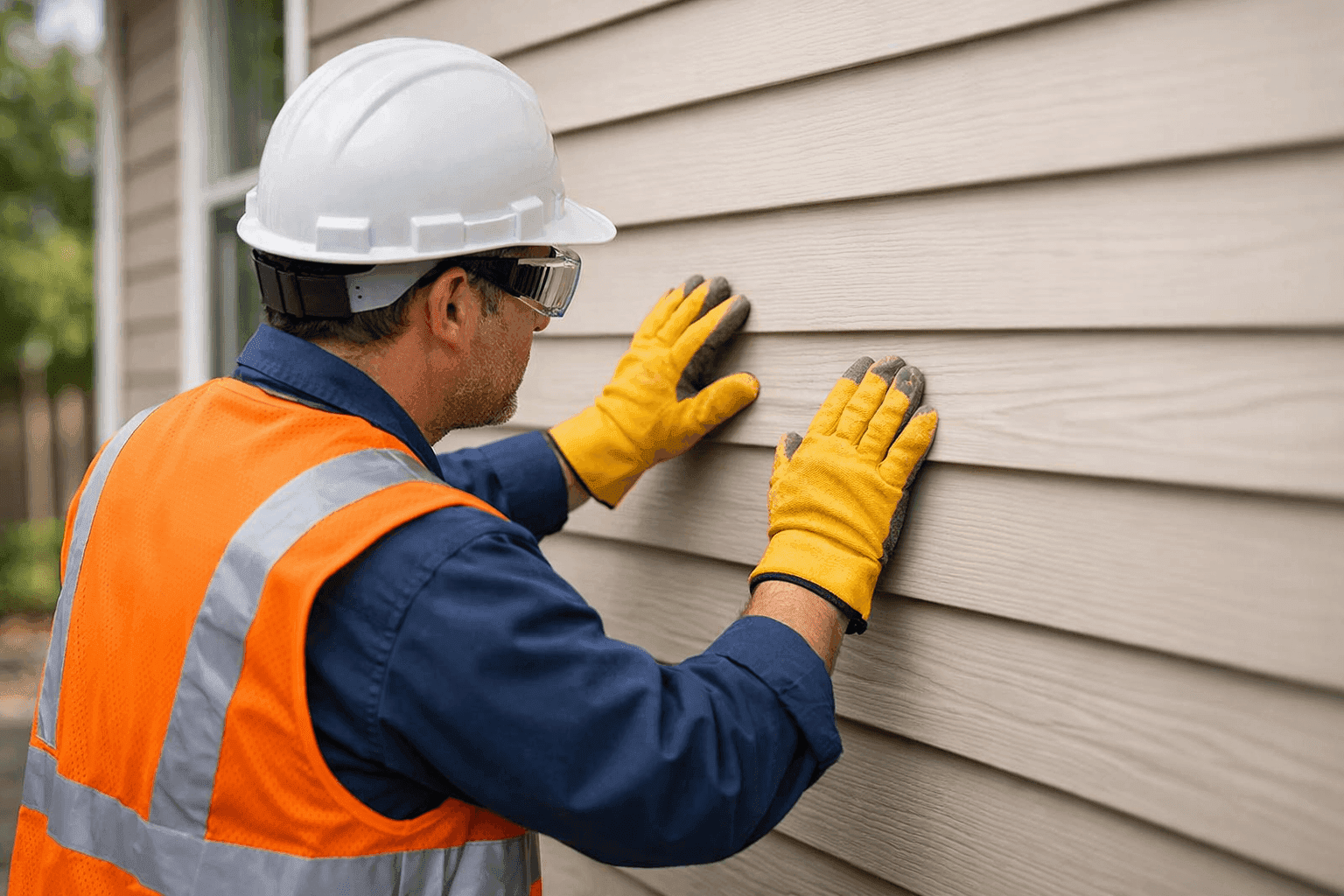
Do you ever wonder what’s happening behind your walls? Siding is your home's first line of defense against the elements—sun, wind, and especially water. But small problems can sneak in, quietly turning into expensive headaches if you don’t catch them early.
At Kroll Siding, we’ve seen it all: hidden leaks bubbling up on kitchen walls, warped boards letting in drafts, and mystery stains that start small but soon spread. Let’s talk about how you can spot siding issues before they damage what matters most—your home’s interior.
The Real Cost of Overlooking Siding Problems
Ignoring your siding is like leaving your umbrella at home on a stormy day. What starts as a small drip can turn into soaked floors, ruined insulation, and mold that lingers. The cost isn’t just financial—it can mean weeks of disruption, lost comfort, and even health risks for your family.
The good news? Most major damage is avoidable if you know what to look for and act quickly.
Visual Clues: What You Can See From the Outside 👀
Take a slow walk around your home. Look at your siding the way you’d scan for dents and scratches on a new car. Here’s what should catch your eye:
- Peeling or bubbling paint (a sign that moisture is trapped beneath)
- Warped or buckling boards
- Cracks, holes, or missing caulk
- Rust stains or streaks near fasteners
- Mold, mildew, or greenish discoloration
- Visible gaps, especially near windows, doors, trim, or at the foundation
Each of these is a red flag—a little wave from your siding, telling you to pay attention.
Hidden Dangers: What You Can’t See (But Should Suspect)
Sometimes, siding issues are silent. Water finds its way in through tiny cracks or failed flashing, then hides behind walls.
Watch for these subtle interior signs:
- Soft or spongy drywall (press gently—does it give?)
- Discolored patches, especially near windows and corners
- A musty or earthy smell indoors
- Peeling wallpaper or blistering paint inside
- Higher-than-usual indoor humidity, even with the AC running
These clues are like icebergs—what you see is only the tip. The real trouble is often hidden underneath.
The Siding Inspection Routine: What Homeowners Should Do
Routine checks can make all the difference. Set a calendar reminder for spring and fall—just like you would for changing smoke detector batteries.
Here’s a quick checklist:
- Walk around your house. Look for visible signs as described above.
- Examine all seams, joints, and corners. Pay extra attention to where siding meets roofs, decks, and porches.
- Check soffits, fascia, and trim for swelling or wood rot.
- Inspect gutters and downspouts for leaks or overflow—these can dump water straight onto your siding.
- Go inside and check walls adjacent to suspect exterior areas.
If you spot anything worrying, don’t wait—issues often get worse with weather and time.
Siding Emergencies: When to Act Fast 🚨
Some siding issues can’t wait for next weekend. Call for immediate help if you see:
- Water actively dripping inside or pooling along baseboards
- Large sections of siding blown off after a storm
- Severe bulging, sagging, or collapse
- Sudden, unexplained spikes in utility bills (it could mean wet insulation)
Fast action can save you thousands. Siding emergencies demand urgent attention from professionals offering Siding Flashing Repair.
DIY or Call a Pro? Knowing Your Limits
Some fixes—like re-caulking a small gap—are manageable if you’re handy. But deeper problems, hidden leaks, or structural damage need experienced hands. Opening up siding without knowing what you’ll find can make things worse, or void manufacturer warranties.
If you’re unsure, ask for a professional inspection. Kroll Siding’s team can spot risks you might miss and recommend safe, lasting solutions.
What Pros Look For: The Kroll Siding Approach
When our team arrives, we do more than glance at the surface. Here’s what a siding inspection involves:
- Moisture meter readings on siding and interior walls
- Checking flashing around windows, doors, and roof lines
- Looking for signs of pest entry (termites love wet wood)
- Inspecting caulk, sealants, and weatherproofing
- Verifying proper ventilation to prevent trapped moisture
We follow standards like the International Residential Code (IRC) for water management and siding installation practices. Reliable results come from careful, systematic checks.
Season-by-Season: When Your Siding Needs Extra Attention
Your siding faces different threats each season:
- Winter: Freeze-thaw cycles can crack siding and split caulk. Look for new gaps after a hard freeze.
- Spring: Rain reveals leaks and highlights drainage issues. Check for swelling and rot.
- Summer: Heat bakes paint and can accelerate aging. Watch for bubbling and peeling.
- Fall: Wind and falling branches can dent or break panels. Clean gutters to avoid overflow.
Regular maintenance, timed to the seasons, prevents surprises.
The Silent Invader: Moisture and Mold Inside Your Walls
Moisture is the enemy. When it seeps past siding, it can create an invisible breeding ground for mold. The Environmental Protection Agency warns that indoor mold can trigger allergies and respiratory issues. If you spot musty smells or unexplained stains, act quickly.
Gutter Problems: The Overlooked Siding Culprit
Faulty gutters and downspouts are a common cause of siding damage. Water that doesn’t drain properly will overflow, soak the siding, and sneak inside. Be sure your gutters are clear, intact, and securely attached. For full protection, consider Gutter Installation or Repair.
Siding Flashing Repair Near You: Why It Matters
Flashing is the thin metal or vinyl strip that keeps water out at corners, roof lines, and around windows. Poor or missing flashing is like a gap in your armor. If you see rust streaks, water stains, or notice caulk separation at flashing points, it’s time for a professional fix. This is one of the most common requests for “Siding Flashing Repair near you.”
Material Matters: Different Siding, Different Risks
- Vinyl Siding: Prone to cracking and warping in extreme temperatures. Watch for loose panels.
- Wood Siding: Vulnerable to rot and insects. Check for soft spots and peeling paint.
- Fiber Cement & Stucco: Generally durable, but improper installation can lead to hidden water entry.
- Metal Siding: Corrosion or denting are common issues. Rust is your warning sign.
If you’re not sure what type of siding you have—or what its unique risks are—ask for a Siding Material Consultation.
Common Mistakes Homeowners Make
- Ignoring small problems (“I’ll get to it next year”)
- Painting over damaged siding without fixing the root cause
- Using incompatible caulk or sealants
- Blocking siding ventilation with landscaping or storage
- Neglecting regular cleaning
Remember, small errors today can lead to big bills tomorrow.
Timeline & Disruption: What to Expect During Repairs
Most siding repairs can be completed in a day or two, but more extensive damage—especially water intrusion—may require additional time to dry out and replace insulation or drywall. Expect some noise, dust, and limited access to affected areas. Professional crews should minimize disruption and clean up thoroughly.
Siding Warranties: Are You Still Covered?
Many siding manufacturers require routine inspections and prompt repairs to keep your warranty valid. Keep records of all maintenance and repairs. If you’re unsure about your coverage, a professional can review your warranty terms during an inspection.
Frequently Asked Questions
How often should I inspect my siding?
Twice a year—once in spring, once in fall. After severe weather, do a quick check for new damage.
Can I paint over siding issues?
Never paint over rot, cracks, or moisture. It will only trap problems inside.
What if I plan to sell my home soon?
Unaddressed siding issues can delay sales and lower your home’s value. Buyers (and their inspectors) will notice.
Take Action: Prevent Avoidable Interior Damage
Your siding is the shield that protects everything inside your home. Being proactive isn’t just about curb appeal—it’s about comfort, health, and long-term savings.
If you’re in the area and need a thorough, trusted siding inspection in Littleton, our team at Kroll Siding is ready to help.
Call Kroll Siding now — or reach us anytime at 888-892-6286 .