How to Inspect Siding for Hail Damage
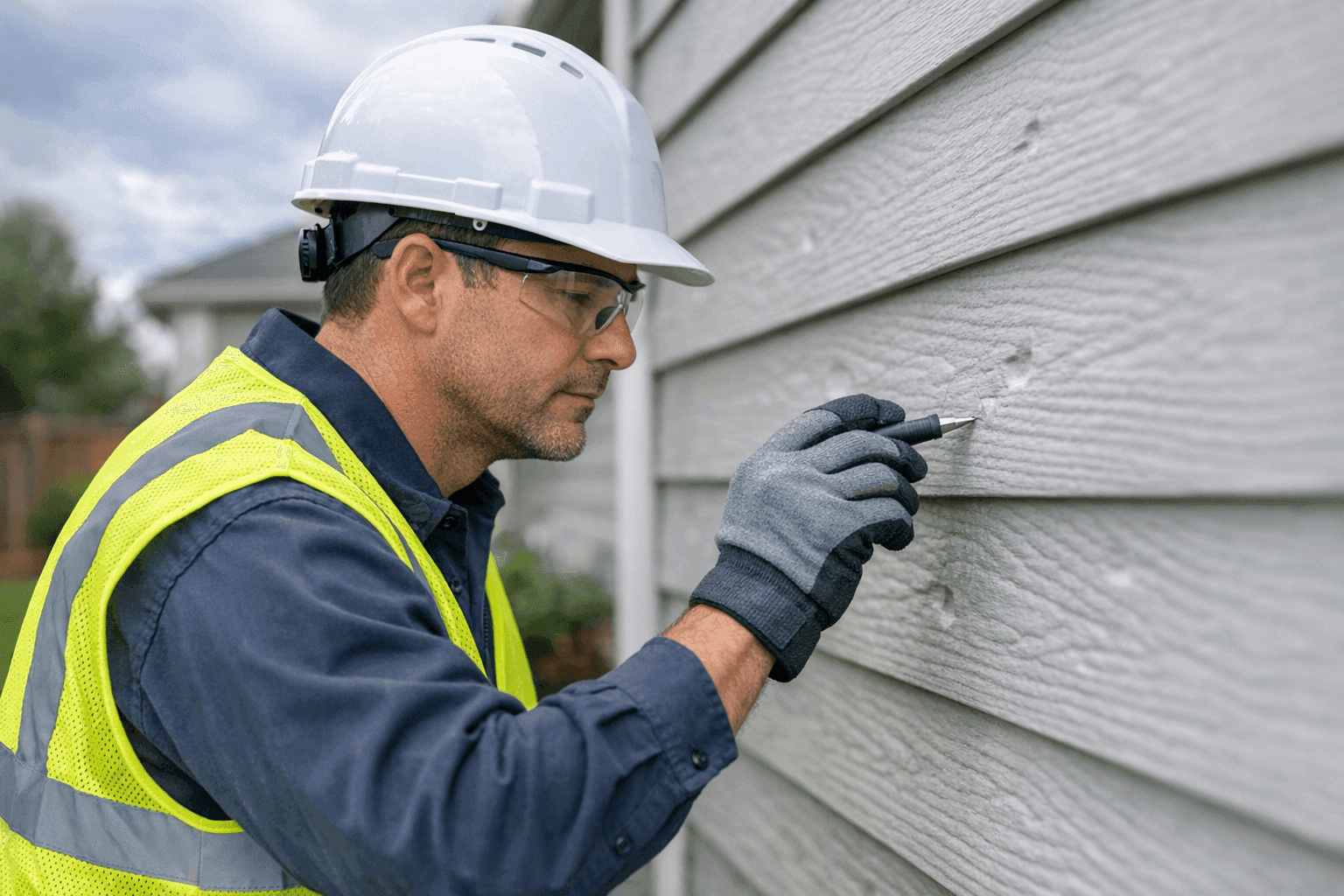
When hail pounds your neighborhood, the sound can be thunderous. Once the storm passes, you might step outside and wonder—did my siding take a hit? At Kroll Siding, we understand how stressful this moment can be. Quick action protects your home’s value and keeps small problems from growing into major repairs.
Siding is your home’s shell. After a hailstorm, a careful inspection is just as important as checking your roof or car. Here’s a clear, step-by-step guide to checking your siding for hail damage, knowing when to call in a pro, and what you should do next.
Why Hail Damages Siding
Hail is like a handful of marbles dropped from the sky. When ice balls slam into your siding, they hit with enough force to chip, crack, or dent. The risk isn’t just cosmetic—damaged siding can let water in, weaken insulation, and invite mold or pests.
Different types of siding handle hail differently:
- Vinyl siding: Prone to cracking and holes.
- Fiber cement: Can chip or break at edges.
- Wood: May dent, split, or lose paint.
- Metal siding: Dents easily but rarely cracks.
- Stucco: Chips, cracks, and can let moisture behind.
Even small hail can cause hidden damage. According to the Insurance Institute for Business & Home Safety, hail as small as 1 inch can harm common residential siding materials.
Quick Safety Checklist Before You Inspect 🦺
- Wait until the storm ends and it’s safe to go outside.
- Wear sturdy shoes and gloves—broken branches or sharp debris may be present.
- Use a ladder only if it’s stable and someone is nearby to help. Never climb during wet or windy conditions.
- Take your phone and a flashlight, especially if inspecting shaded or north-facing walls.
If you spot downed power lines or exposed wires, stay clear and call your utility company right away.
What to Look For: Signs of Hail Damage
Walk around your home slowly. Inspect siding panels from top to bottom. Look for:
- Cracks or splits: Especially along panel edges or corners.
- Dents or dings: Most visible in low sunlight or by running your hand over the surface.
- Chipping or flaking paint: On wood, fiber cement, or stucco siding.
- Holes or punctures: Direct hits may go straight through vinyl.
- Loose or warped panels: Siding knocked loose can let water sneak behind.
- Discoloration or shiny spots: Impact can leave a fresh mark, lighter than the surrounding area.
- Damaged trim, soffits, or fascia: Don’t forget the finishing touches.
Check all four sides of your home—hail rarely falls straight down, and wind can drive ice from unexpected angles.
The Right Tools for the Job
You don’t need fancy gadgets. These simple tools help:
- Flashlight (for shaded areas)
- Small mirror (to check behind pipes or tight spots)
- Notepad or your phone’s notes app (to record locations)
- Camera or phone camera (for clear, close-up photos)
A golf ball makes a handy reference for hail size—many insurance adjusters use it to compare dents and cracks.
Documenting the Damage
Take photos of every spot you find. Include:
- Close-ups of damage
- Wide shots showing where on the wall it occurred
- A ruler or coin in the image for scale
Write down which wall (north, south, etc.), the height from the ground, and whether the area is near windows, doors, or gutters. This documentation is gold for insurance claims.
When to Call a Pro Versus DIY
Some minor dings or paint touch-ups can be handled by homeowners. But if you see:
- Multiple cracks or holes
- Soft spots when you press on the siding
- Large areas of loose or missing panels
- Compromised flashing or visible water stains
It’s time to call a siding repair specialist. Siding Flashing Repair near you can prevent leaks and bigger headaches down the line. Don’t risk a patch job that hides a bigger issue.
What Pros Do On Arrival
At Kroll Siding, our technicians perform a full siding inspection using both experience and specialized tools. We check under panels, around trim, and at seams where wind-driven rain could exploit a weakness. Our team can spot damage that may not be obvious to the naked eye—especially issues that could void a siding warranty or cause trouble with your insurance.
Prevention & Maintenance Tips
Once your siding is repaired, a few easy habits help prevent future hail issues:
- Trim back overhanging branches—broken limbs can add to hail damage.
- Clear gutters and downspouts so water drains away quickly.
- Inspect and seal caulking every spring and fall.
- Consider impact-resistant siding materials if you’re replacing panels. Ask about eco-friendly siding options and custom solutions.
Common Mistakes Homeowners Make
- Only checking the “hail side” of the house—inspect all walls.
- Ignoring small cracks, which can grow with time and weather.
- Waiting too long to document damage—sun, rain, or dirt can obscure marks.
Remember: delays can complicate insurance claims and worsen water damage.
Insurance Tips and Filing Claims
- Contact your insurer promptly—most have a limited window after a storm.
- Share your photos and notes. Keep a copy for your records.
- Don’t start major repairs until the adjuster has inspected the damage.
- Ask if your policy covers matching replacement panels for a seamless look.
The National Association of Insurance Commissioners recommends reading your policy annually so you know what’s covered before a storm hits.
Siding Material Matters
Vinyl, fiber cement, wood, metal, and stucco all respond to hail differently. If you’re unsure what type you have, a siding material consultation can help. Durable materials may cost more up front, but can save you money—and stress—after a storm.
Emergency Siding Services: When It’s Urgent
If you notice water leaking inside, exposed insulation, or panels hanging off the house, that’s an emergency. Quick repairs can stop further damage and protect your home’s structure. Storm Damage Repair is available for urgent siding needs.
How Long Does Siding Repair Take?
- Minor repairs: 1–2 days
- Full replacement: Up to a week, depending on material and weather
- Insurance review: A few days to a week for adjuster visits
Plan for some disruption, but the right contractor will keep things as smooth as possible.
Frequently Asked Questions
Can I wait until next season to fix hail damage?
Delaying repairs invites water, pests, and mold. Tackle damage within weeks—not months.
What if my siding is old or faded?
Insurance may still cover storm damage. A siding color consultation can help ensure new panels match.
Are there siding options better for hail-prone areas?
Yes! Impact-resistant and eco-friendly siding options are available. Discuss with a pro to match your budget and needs.
Seasonal Considerations: Don’t Wait for Spring
Hail season varies, but spring and summer storms are common. Inspect your siding after every major hail event, not just at the end of the season.
Ready for Peace of Mind?
If you’re searching for reliable siding contractors in Sumter or want to schedule a siding inspection, our team is here for you. Acting quickly after a storm can save you money and hassle down the road.
Call Kroll Siding now — or reach us anytime at 888-892-6286 .