How to Maintain Siding After a Major Storm
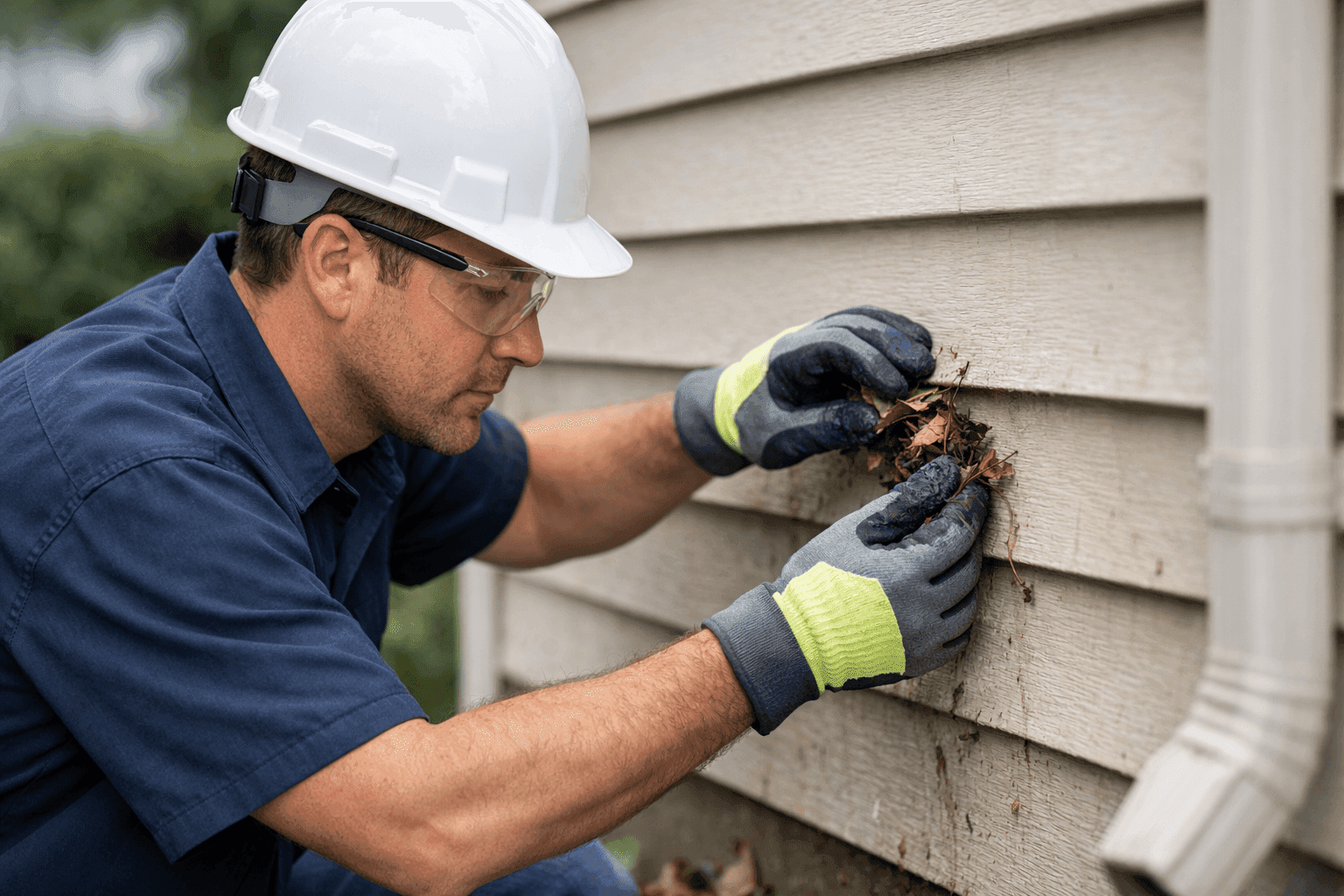
When a major storm rolls through, it doesn’t just rattle your nerves—it can batter your home’s siding, too. Wind, rain, and flying debris leave their mark. If you’re standing outside, staring at your home’s battered exterior, you’re not alone.
Kroll Siding has helped countless homeowners restore their siding after extreme weather. Our team knows what it takes to get your house back in shape—quickly, safely, and with the right attention to detail.
Immediate Post-Storm Steps
First things first: safety comes before siding. Before you even glance at your home’s exterior, take a breath and do a quick safety check. Are there downed power lines? Loose tree limbs? Broken glass? If you see any hazards, stay clear and call professionals.
Once it’s safe, walk around your home. Look for obvious damage—missing panels, bent trim, or dangling gutters. Take photos. These will help with insurance and guide repair teams later.
Quick Safety Checklist 🛑
- Wear sturdy shoes and gloves.
- Watch for sharp edges or nails.
- Avoid any area with standing water near electrical sources.
- If you’re unsure about roof or high-up damage, step back and call a pro.
Inspecting for Damage
Siding can look tough, but storms test its limits. Walk slowly around your house. Look close, like you’re searching for a lost earring in the grass.
Check for:
- Cracked, loose, or missing siding panels
- Dented or bent metal siding
- Warped or water-stained wood siding
- Gaps near windows, doors, or trim
- Damage to soffit, fascia, or flashing
- Peeling paint or caulk
Don’t forget the less obvious spots—behind shrubs, under decks, and around corners. If you spot anything odd, make a note. Even small cracks can lead to bigger headaches if ignored.
For a thorough assessment, consider a professional Siding Inspection. A trained eye can spot hidden leaks or structural issues before they become major repairs.
DIY vs. Call a Pro
Some repairs are like changing a lightbulb—simple and safe. Others are more like rewiring the whole house. Know your limits.
DIY-friendly tasks:
- Clearing debris from siding and gutters
- Resealing small gaps with siding caulk
- Tightening loose screws in trim or panels
Leave it to the pros:
- Large areas of cracked or missing siding
- Repairs above one story
- Siding Flashing Repair near you
- Structural or moisture-related issues
Remember: climbing ladders after a storm is risky business. Trust your instincts, and when in doubt, call a professional.
What Pros Do On Arrival
When you call Kroll Siding for Storm Damage Repair, our team arrives ready. We assess all siding types—vinyl, wood, fiber cement, metal, and even stucco. Our process is methodical, like a detective at a mystery scene.
We:
- Perform a detailed inspection of all exterior surfaces
- Check for hidden water intrusion
- Evaluate flashing, gutters, soffit, and fascia
- Document damage for your records
We follow guidelines set by the Vinyl Siding Institute and the International Residential Code (IRC) to ensure repairs meet high standards.
Cleaning Up: The First Step Toward Recovery
Dust, dirt, and leaves cling to siding after storms. Before any repairs, start with a gentle cleaning.
Best practices:
- Rinse with a hose (not a pressure washer, which can damage siding)
- Use a soft-bristle brush and mild soap for stubborn spots
- Avoid harsh chemicals that strip paint or corrode metal
Cleaning reveals hidden cracks or holes. It’s a simple step with big payoffs.
Minor Repairs: Nipping Problems in the Bud
See a loose panel or tiny crack? Address it now, before it grows.
Quick fixes:
- Reattach loosened panels with manufacturer-approved fasteners
- Reseal gaps with exterior-grade caulk
- Replace small sections of trim or molding
If you’re unsure, snap a photo and show a siding professional. Sometimes what looks minor can hint at bigger trouble beneath.
When It’s an Emergency
Some siding damage demands immediate action. If you spot:
- Large holes exposing insulation or framing
- Water leaking into your home
- Detached gutters or soffit panels threatening to fall
Act fast. Cover holes with plastic sheeting and secure loose items if possible. Then call for emergency siding services. Quick action can save thousands in repairs.
Common Mistakes to Avoid
Storm recovery is stressful. It’s easy to rush or cut corners. Here’s what to steer clear of:
- Ignoring small cracks or gaps (“It’s just cosmetic” often isn’t true)
- Using indoor caulk or the wrong paint for siding
- Pressure-washing delicate surfaces
- Putting off repairs until “next season”
Letting issues linger is like letting a tiny leak drip beneath your sink—eventually, it causes real damage.
Preventing Future Issues
Storms are unpredictable, but you can make your siding more resilient.
Year-round habits:
- Keep trees trimmed away from your home
- Clean gutters and downspouts every season
- Inspect caulking and paint for wear
- Schedule annual siding inspections
- Invest in quality siding materials, like fiber cement or impact-resistant vinyl
Advanced options, such as Siding Weatherproofing or Eco-Friendly Siding, offer extra protection and peace of mind.
Materials Matter: Choosing the Right Siding
Not all siding is created equal. The right material can mean the difference between minor scratches and major repairs.
- Vinyl siding: Flexible, affordable, and holds up in most conditions.
- Fiber cement: Tough as nails, resists moisture and fire.
- Metal siding: Handles hail and wind, but needs proper installation.
- Wood siding: Classic look, but requires regular sealing and maintenance.
If you’re thinking about updating your siding, consider a Siding Material Consultation for tailored guidance.
Seasonal Siding Checklist
Consistent care keeps storm damage at bay.
Spring:
- Clean siding and inspect for winter damage
- Clear gutters, check for leaks
Summer:
- Touch up paint and caulking
- Trim bushes and trees
Fall:
- Inspect for storm damage before winter
- Re-seal any exposed gaps
Winter:
- Watch for ice dams on gutters
- Schedule a mid-winter inspection after major storms
Siding Flashing: The Hidden Guardian
Flashing is the unsung hero of your siding system. It channels water away from seams and joints. After a storm, check flashing around windows, doors, and roof edges for bends or gaps.
If flashing is compromised, water sneaks in where you least expect it. That’s when “minor” leaks become rotted wood or mold inside your walls.
For peace of mind, consider Siding Flashing Repair near you after every major event.
Gutter and Downspout Recovery
Your siding and gutters work as a team. After a storm, check for:
- Loose or detached gutters
- Clogged downspouts
- Water stains on siding near gutter seams
Clear debris, reattach loose sections, and check that water flows away from your foundation. Proper drainage prevents siding damage and basement leaks.
Siding Color and Paint Touch-Ups
Storms can chip, fade, or scuff your siding’s finish. Touch up paint or consult a pro for color-matched repairs. Modern siding paint is formulated for durability, but only when applied correctly.
If color matching is tricky, or you’re considering a new look, a Siding Color Consultation helps you choose a finish that stands up to weather and time.
When to Replace, Not Repair
Sometimes, the damage is more than skin deep. If your siding is warped, crumbling, or waterlogged, replacement may be safer and more cost-effective.
Signs it’s time to replace:
- Recurring leaks or moisture inside
- Structural rot or mold
- Large sections missing or broken
A full siding replacement brings your home back to life—and can boost its value and curb appeal.
FAQs: Siding and Storm Recovery
How soon should I inspect my siding after a storm? As soon as it’s safe. Quick checks prevent small problems from growing.
Can I handle minor repairs myself? Yes, simple tasks like cleaning and caulking are DIY-friendly. For bigger jobs, call a pro.
What if my siding is still under warranty? Document damage and consult your installer before making repairs. Many warranties require professional service.
Timeline and Disruption: What to Expect
Most minor repairs take a day or two. Larger projects—like replacing whole sections—can take a week or more, depending on weather and material availability. Kroll Siding schedules repair times to minimize disruption and keep your home protected throughout the process.
Siding Maintenance Resources
Stay informed with credible sources like the International Residential Code (IRC) for siding standards and the Vinyl Siding Institute for care recommendations. These guidelines help homeowners make safe, informed choices.
If you live in Southwest Louisiana, get reliable Lake Charles siding maintenance to protect your home year-round—especially after major storms.
Ready to Restore and Protect Your Siding?
Storms are tough. Your home—and your peace of mind—deserve a siding team that’s tougher. Kroll Siding is here for emergency repairs, seasonal checkups, and long-term solutions.
Call Kroll Siding now — or reach us anytime at 888-892-6286 .