How to Match Siding Repairs to Original Materials
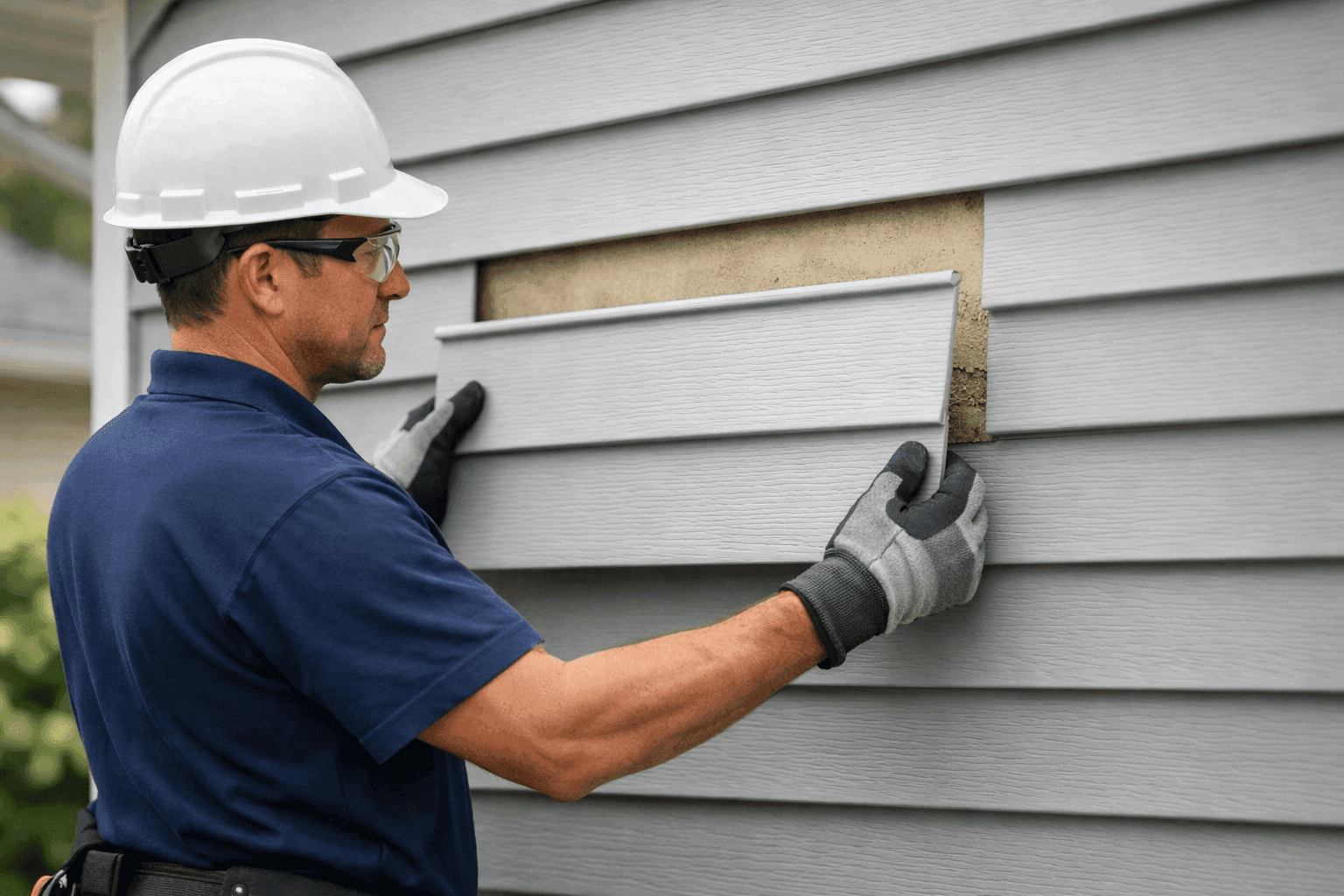
Is your home’s siding hiding a secret? One tiny patch, out of place, can turn your beautiful exterior into a puzzle with a missing piece. At Kroll Siding, we know siding repairs aren’t just about fixing damage—they’re about restoring your home’s seamless look, making repairs nearly invisible.
You want curb appeal. You want value. You want repairs that blend in, not stand out. Here’s how to keep your home looking its best—even after a storm, accident, or years of wear.
Why Matching Siding Repairs Matters
Imagine a jigsaw puzzle with one piece from a different box. That’s how mismatched siding repairs look. Not only does it catch the eye for all the wrong reasons, but it can lower your home’s value and even lead to further issues if not sealed right.
A seamless repair protects your investment and maintains your home’s first impression—because every detail counts.
Know Your Materials: The Foundation of a Perfect Match
Before you pick up a hammer, you need to know exactly what’s on your walls. Is it vinyl, fiber cement, wood, stucco, or metal? Each material has its own quirks, colors, and aging process.
- Vinyl siding: Popular for color options, but hues may fade over time.
- Wood siding: Grain and stain matter as much as color.
- Fiber cement: Durable, but matching texture is key.
- Stucco or metal: Custom colors, unique finishes.
Not sure? Our siding material consultation helps homeowners pinpoint exact materials—down to the manufacturer and product line.
Manufacturer Matching: The Detective Work Behind Invisible Repairs 🕵️
Siding manufacturers often tweak colors, finishes, and panel profiles over the years. Even classic shades like “Colonial White” can shift in subtle ways. Tracking down an exact match can feel like a scavenger hunt.
What we do:
- Inspect for brand stamps or codes on back of panels.
- Check leftover materials from original installation.
- Contact suppliers or check discontinued product lists.
- Compare with manufacturer samples.
If your original siding is still in production, great! If not, don’t panic—there are still ways to blend repairs beautifully.
Color Matching: Science and Art Collide
Sun, rain, and time all work their magic on siding. The result? Even if you know the original color, a fresh panel may look glaringly new.
Tips for matching color:
- Order extra: Get several samples—lighting can trick your eyes.
- Sun fade: Hold samples against your wall at different times of day.
- Custom paint: For wood, fiber cement, or metal, color-matching paint blends new with old (see siding color consultation for help).
Some pros use colorimeters—digital tools that “read” your siding and help find a paint formula that’s spot-on. For vinyl, special coatings can be applied if painting is needed (always use products rated for exteriors and siding).
Texture and Finish: The Overlooked Details
Color isn’t everything. Texture matters, too. Shiny new panels can look out of place next to weathered, matte originals.
- Gloss level: Match the shine, not just the color.
- Embossing: Some vinyl and fiber cement mimic wood grains. Line up the pattern.
- Stucco: Use the same trowel technique and aggregate.
If your siding has a unique finish, bring a chunk to the supplier to help them match surface details.
Caulking, Seams, and Blending Tricks
A perfect match isn’t just about what you see from the curb. Gaps, seams, and caulking lines can make even the right color stick out.
- Use color-matched caulk for joints and trim.
- Feather caulk edges to blend with the original siding.
- For touch-ups, apply paint with small brushes or sponges, not rollers.
When Custom Fabrication is Needed
Some older or custom homes have siding profiles that no longer exist. In these cases, Kroll Siding can help with:
- Custom milling for wood siding.
- Special order fabrication for metal or fiber cement.
- 3D scans or molds to replicate unique shapes.
This process takes time, but it pays off in a flawless finish.
DIY or Call a Pro? When to Get Help
If you’re handy, small repairs might seem tempting. But matching siding is like trying to patch a favorite shirt—sometimes the new fabric just won’t blend.
DIY is OK for:
- Tiny cracks or isolated nail holes.
- Re-caulking seams.
Call Kroll Siding when:
- Panels are warped, cracked, or missing.
- Color or texture matching is tricky.
- There’s water damage or hidden rot.
Safety First: Quick Checklist
- Always wear gloves and safety goggles.
- Use ladders safely; don’t overreach.
- Check for hidden electrical wires near damaged areas.
- Follow local building codes—consult sources like the International Residential Code (IRC) for exterior wall covering standards.
The Timeline: What to Expect
Most siding repairs take a day or two, but custom orders or weather delays can stretch timelines. Ask your contractor for a clear breakdown, especially if custom fabrication or painting is needed.
Preventing Mismatched Repairs in the Future
- Keep leftover siding from your original installation.
- Save paint codes and manufacturer details.
- Schedule regular siding inspections to spot wear before it turns into big damage.
Seasonal Considerations
Heat, cold, and humidity can all affect siding installs. Paints and caulks cure differently depending on temperature. In extreme weather, repairs may take longer or need special products.
Common Mistakes to Avoid
- Rushing to patch with whatever’s on hand.
- Ignoring texture or gloss.
- Using non-rated caulks or paints.
- Skipping safety steps or code requirements.
Siding Flashing Repair Near You: Why Local Expertise Matters
Every region has its own weather and building quirks. Local pros know which materials stand up—and which ones fade or crack. If you need Siding Flashing Repair near you, choose a team that understands your area and its unique challenges.
FAQ: Your Matching Siding Questions, Answered
Q: Can I paint vinyl siding to match?
A: Yes, but use specific paints designed for vinyl—regular paint can peel or crack.
Q: How can I tell what type of siding I have?
A: Look for brand stamps or ask a pro for a siding material consultation.
Q: What if my siding is discontinued?
A: Custom fabrication or creative blending (like painting or strategic panel swaps) can still deliver great results.
Final Thoughts: Protect Your Home—and Its Curb Appeal
Matching siding repairs is a little like restoring a classic car. The right parts, the right paint, the right touch—and nobody knows it was ever in the shop. At Kroll Siding, we help you preserve your home’s story, down to the last detail.
Call Kroll Siding now — or reach us anytime at 888-892-6286 .