How to Paint Your Siding for Maximum Durability
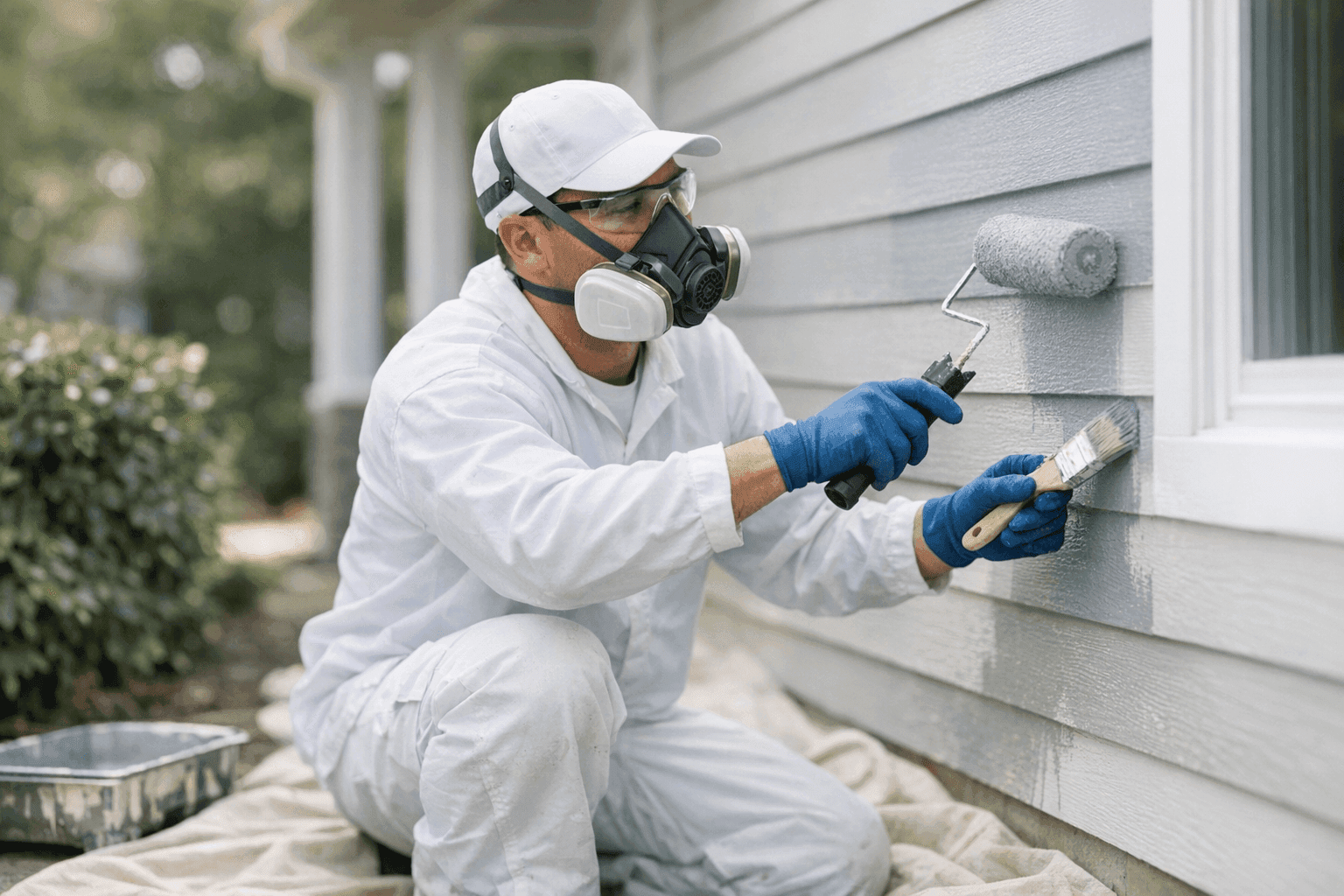
Has your siding lost its spark? Maybe it’s faded, chipped, or peeling, and every time you pull into the driveway, it’s the first thing you see. Painting your siding isn’t just about color—it's about protection, pride, and value. But lasting results take more than a quick coat of paint. At Kroll Siding, we help homeowners make every brushstroke count.
Let’s walk through the steps of painting your siding for true, long-term durability. Whether you’re tackling it yourself or considering a pro, you'll have the know-how to do it right.
The Real Reason Siding Paint Fails Early
Peeling paint. Bubbling. Fading that turns your bold blue into a tired gray. Most of the time, these headaches start before the paint can did. Skipping preparation or using the wrong products is like building a sandcastle at high tide—it won’t last.
Quick Safety Checklist Before You Begin 🛑
Painting your siding is a serious project. Before you start, take a minute to check:
- Ladder safety: Always use a sturdy, well-positioned ladder on solid ground.
- Protective gear: Gloves, safety glasses, and a mask if you’re sanding or scraping paint.
- Electrical awareness: Keep away from power lines and exterior outlets.
- Weather watch: Never paint when rain or high humidity is in the forecast.
Check your local building codes for any additional requirements. The International Residential Code (IRC) offers guidelines on exterior work and safety practices.
Prepping Siding for Paint: The Foundation of Durability
Think of prep work like priming a canvas. No matter how vivid the paint, it can’t cover up rough patches or mold.
Essential prep steps:
- Inspect: Look for signs of rot, rust, or siding flashing repair needs. Fix these before painting to prevent hidden damage.
- Clean: Use a mild detergent and a soft brush (or a pressure washer on low for tough grime) to remove dirt, mildew, and old paint flakes.
- Dry: Let the siding dry completely—usually at least 24 hours—to avoid trapping moisture.
- Scrape and sand: Remove loose paint, then sand rough edges so your primer and paint go on smooth.
- Caulk and seal: Fill any gaps or cracks with exterior-grade caulk. Pay close attention to trim, soffit, and fascia areas.
If you notice deeper issues, like dampness under the surface or warped panels, pause. You may need Siding Flashing Repair near you to ensure the new paint job won't hide bigger problems.
Choosing Paint: Quality Trumps Everything
Not all paints are created equal. The wrong paint can peel within months, while the right one protects for years.
What to look for:
- Type: Use 100% acrylic latex exterior paint for most siding materials. It flexes with the weather and resists fading.
- Sheen: Satin or low-luster finishes hide imperfections and clean easily.
- Color: Light shades reflect heat, dark shades absorb it. Choose what suits your climate and style.
- Primer: If you’re painting bare wood, fiber cement, or metal, always use a compatible primer first.
Look for paints approved by the American Architectural Manufacturers Association (AAMA) or those meeting ASTM D4828 standards for exterior durability.
Application Methods: Brush, Roller, or Spray?
There’s more than one way to get paint on siding. Each method has its place.
Brush and Roller
- Best for: Small areas, trim, and detail work.
- Tips: Use high-quality synthetic brushes and rollers. Apply paint in long, even strokes. Don’t overload the brush.
Sprayer
- Best for: Large, smooth surfaces.
- Tips: Back-brush after spraying to work paint into textured siding. Mask windows, doors, and landscaping to prevent overspray.
No matter the method, aim for two thin coats instead of one thick one. It’s like layering on armor instead of a single heavy blanket.
Longevity Tips: Make Your Paint Last
You’ve painted. Now what? Protect your investment with a few simple habits:
- Annual inspection: Walk around your home each spring and fall. Look for chips, cracks, or signs of mildew.
- Gentle cleaning: Rinse siding with a hose or soft brush to prevent buildup.
- Touch up promptly: Address small chips before they grow into bigger problems.
- Mind the gutters: Clear gutters and downspouts to prevent water from running down the siding.
Want more on year-round care? Check out our Siding Maintenance service.
DIY or Call a Pro? Knowing When to Get Help
Painting siding takes time, tools, and a solid plan. If your home is two stories, or the siding is damaged, it might be safer and more cost-effective to call in a crew. Professionals have access to pro-grade products, commercial sprayers, and can spot issues you might miss.
What Pros Do On Arrival
When Kroll Siding arrives, we:
- Inspect siding and flashing for repair needs
- Power-wash and prep surfaces
- Use pro-approved primers and paints
- Apply with sprayers, then back-brush for coverage
- Clean up thoroughly—no paint drips on your hostas
We also check for weatherproofing gaps and recommend ways to make your paint job last as long as possible.
Prevention & Maintenance: The Ounce That Saves a Pound
It’s easy to forget about siding once it’s painted. But a little upkeep can stretch your paint job by years.
- Keep shrubs trimmed away from siding
- Avoid harsh chemicals or abrasive scrubbers
- Watch for pest activity—termites and carpenter ants can hide in cracks
Routine maintenance is part of every siding’s story.
Costs & Time Factors: Be Realistic
Painting siding can be a weekend DIY or a multi-day project, depending on your home’s size and condition. Materials, prep, and weather all affect timing. Budget for:
- Paint and primer (always buy a little extra)
- Brushes, rollers, sprayer rental
- Caulk, filler, and cleaning supplies
- Safety gear
Factor in your own time, too. Sometimes it’s worth the peace of mind to let a pro handle the hassle.
When It’s an Emergency
Sudden storm? Damaged paint exposing bare siding? Quick action can prevent rot and costly repairs. If you spot bubbling, peeling, or discoloration soon after a storm, consider it urgent—especially if moisture is present. Emergency siding services are available for times when waiting isn’t an option.
Seasonal Considerations for Siding Painting
Temperature and moisture matter—a lot. Paint when:
- Temperatures are between 50°F and 90°F
- Humidity is below 80%
- No rain is forecast for at least 24 hours
Extreme heat or cold can prevent paint from curing properly, leading to cracks and peeling. Spring and early fall are golden windows for most climates.
Common Mistakes to Avoid
- Skipping the cleaning step—paint won’t stick to dust or mildew
- Painting over wet or damp siding
- Using interior paint outdoors
- Ignoring small repairs before painting
- Rushing between coats—always allow for full drying time
Even pros triple-check these basics.
Signs of Trouble After Painting
Keep an eye out for:
- Peeling or bubbling paint (could signal moisture trapped beneath)
- Soft spots or discoloration (may mean underlying damage)
- Persistent mildew or mold
If you see these, a professional siding inspection can pinpoint the root cause before it worsens.
Timeline & Disruption: What to Expect
Plan for:
- 1–2 days for prep (more if repairs are needed)
- 2–3 days for painting and drying
- Some disruption to outdoor spaces—move furniture, cover plants
Good prep is like setting the stage for a show. The payoff is a finish that looks sharp and lasts.
Materials and Equipment Checklist
Before you start, gather:
- Exterior-grade primer and paint
- High-quality brushes and rollers
- Paint sprayer (optional)
- Drop cloths and masking tape
- Ladder or scaffolding
- Caulk and filler
- Safety glasses, gloves, and mask
Using the right tools is half the battle.
FAQ: Your Siding Painting Questions Answered
Q: Can I paint vinyl or metal siding?
A: Yes—with the right prep and paint. Use products specifically labeled for these materials.
Q: How often should I repaint siding?
A: Every 5–10 years, depending on climate and material. High UV or storm-prone areas may need more frequent touch-ups.
Q: Is there a best time of year to paint siding?
A: Mild, dry weather is ideal. Avoid painting in extreme heat, cold, or rain.
For more tips or if you need Siding Flashing Repair near you, our team at Kroll Siding is ready to help.
Ready to give your siding a fresh, durable finish? Call Kroll Siding now — or reach us anytime at 888-892-6286 .