How to Prevent Mold and Mildew on Siding
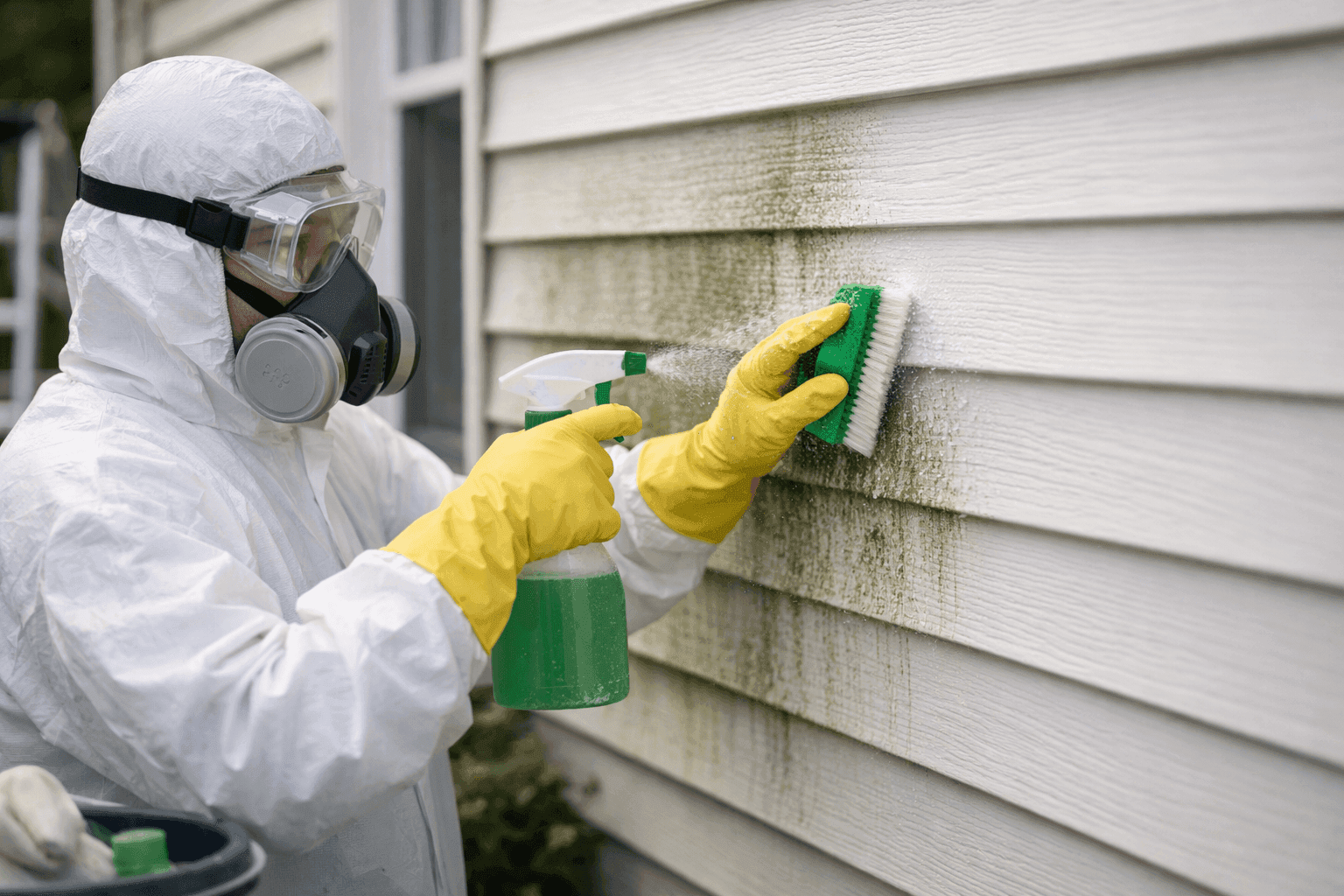
Is your siding looking tired, with dark streaks or fuzzy patches creeping up from the ground? You’re not alone. Mold and mildew love to stake their claim on home exteriors—especially when the weather turns warm and damp. At Kroll Siding, we’ve seen it all, from tiny smudges to full-blown green invasions.
The good news? You don’t have to stand by and watch your home’s curb appeal fade. With smart maintenance and a watchful eye, you can keep mold and mildew at bay, protecting both your siding and your family’s health.
The Mold & Mildew Problem: Why Siding is a Target
Picture this: Moisture seeps behind your siding, shade lingers, and before long, you spot black or green stains along the boards. Mold and mildew are like uninvited guests at a backyard barbecue—they show up wherever there’s food (dirt, pollen, organic debris) and water.
The most common places mold and mildew set up camp:
- North-facing sides of your home (less direct sun)
- Under eaves and behind bushes
- Near downspouts or leaky gutters
- Where caulking has cracked or flashing is missing
Ignoring it? That’s asking for trouble. Mold doesn’t just look bad—it can trigger allergies and eventually damage the siding material.
Siding Materials: Some Attract More Trouble Than Others
Not all siding is equally vulnerable. The type of material on your home makes a difference.
- Vinyl Siding: Easy to clean, but can trap moisture if seams are gapped.
- Wood Siding: Naturally beautiful, but a feast for mold if not sealed and maintained.
- Fiber Cement: More resistant, but not invincible—especially at joints and trim.
- Stucco and Metal Siding: Less porous, but mold can still grow on surface dirt and dust.
Choosing the right material, and keeping it in good shape, is half the battle.
How Ventilation Keeps Siding Dry and Healthy 🌀
Think of your home like a raincoat. If the air underneath isn’t moving, sweat (moisture) gets trapped. Proper siding ventilation—using soffits, vents, and gapped trim—lets trapped moisture escape.
When airflow is blocked by insulation, heavy landscaping, or missing vents, moisture lingers. That’s an open invitation for mildew to move in. Check that your attic and wall cavities are vented according to local building codes. The International Residential Code (IRC) offers guidance on minimum ventilation needs for homes.
Moisture Control: The Heart of Prevention
Mold is like a weed—it needs just the right mix of shade and water to sprout. Here’s how to keep moisture from sticking around:
- Gutter Maintenance: Clean gutters and downspouts often. Overflow sends water right onto siding.
- Check Flashing & Caulking: Gaps let water slip behind siding. Schedule Siding Flashing Repair near you when needed.
- Grade Soil Away: Make sure soil and mulch don’t slope toward your foundation.
- Trim Back Plants: Shrubs should be at least 12 inches from your siding for airflow.
Routine Siding Cleaning: Your First Line of Defense
A little elbow grease goes a long way. Regular siding cleaning scrubs away mold spores before they settle in. Use a soft brush, hose, and a mild detergent (never harsh chemicals that can strip finishes). For stubborn spots, a solution of white vinegar and water works wonders.
Power washers? Use with caution. Pressure that’s too high can drive water behind the siding, making things worse.
The Safe Cleaning Checklist
Before you start, suit up. Mold spores aren’t just ugly—they’re irritants. Wear gloves, eye protection, and a mask. Avoid mixing cleaning products. Always test a small, hidden area first.
- Choose a dry, overcast day
- Protect nearby plants with plastic sheeting
- Work from the bottom up
- Rinse thoroughly with clean water
DIY or Call a Pro: Knowing When to Ask for Help
Some jobs are best left to the professionals, especially if:
- The mold covers a large area or keeps coming back
- You spot soft, warped, or cracked boards
- There’s evidence of water damage in your walls
A pro can identify hidden leaks, recommend repairs, and use commercial-grade cleaners that are tough on mold, but gentle on siding.
What to Expect When Pros Arrive
When Kroll Siding visits, we start with a thorough inspection—looking for moisture entry points, damaged flashing, or missing caulk. We’ll recommend the right cleaning method for your siding type and inspect for underlying problems (like poor ventilation or insulation gaps). If repairs are needed, we’ll advise on next steps—whether it’s siding maintenance or a more involved fix.
Prevention Strategies: Winning the Long Game
Don’t let mold and mildew catch you napping. Here’s how to keep your home’s armor strong:
- Inspect siding every spring and fall
- Reseal joints and caulk as needed
- Clean gutters at least twice a year
- Schedule regular siding cleaning
- Replace or repair damaged trim and flashing
Signs of Trouble: When to Take Action 🚨
Watch for these red flags:
- Green, black, or white splotches (especially in shaded areas)
- A musty smell near exterior walls
- Paint bubbling or peeling
- Soft spots, warping, or loose boards
The sooner you act, the less likely mold will take root.
FAQ: Your Mold & Mildew Questions Answered
How often should I clean my siding?
Most homes benefit from annual cleaning, but shaded or damp areas may need more frequent attention.
Is bleach safe for siding?
Bleach can damage some finishes and harm plants. Stick to mild soap or white vinegar for spot cleaning.
Can mold cause structural damage?
If left untreated, mold can weaken wood siding and framing. Early intervention is key.
Seasonal Considerations: Timing Your Siding Care
- Spring: Clear away winter debris, inspect for damage, and clean mold-prone spots.
- Summer: Keep plants trimmed and gutters clear.
- Fall: Reseal joints and clean gutters before heavy rain.
- Winter: Watch for ice dams and leaks near roof edges.
Common Mistakes to Avoid
- Ignoring small stains (they grow fast)
- Using harsh chemicals or high-pressure washers
- Planting shrubs too close to siding
- Skipping annual inspections
Costs & Time Factors: What to Expect
Cleaning and minor repairs are affordable and quick—often done in a few hours. Major mold remediation or siding replacement? That takes longer and costs more, so prevention pays off.
When It’s an Emergency
If you spot widespread mold, water pouring behind siding, or signs of rot, act fast. Mold and water damage can spread quickly, affecting not just your siding but your home’s entire structure.
The Kroll Siding Difference
Whether you need routine cleaning, Siding Flashing Repair near you, or advice on eco-friendly siding options, our team is ready. We take pride in helping homeowners maintain beautiful, healthy homes—season after season.
If you’re searching for a trusted siding contractor in Indianapolis, we’re here to help keep your exterior safe and strong.
Call Kroll Siding now — or reach us anytime at 888-892-6286 .