How to Prevent Siding Blistering and Peeling
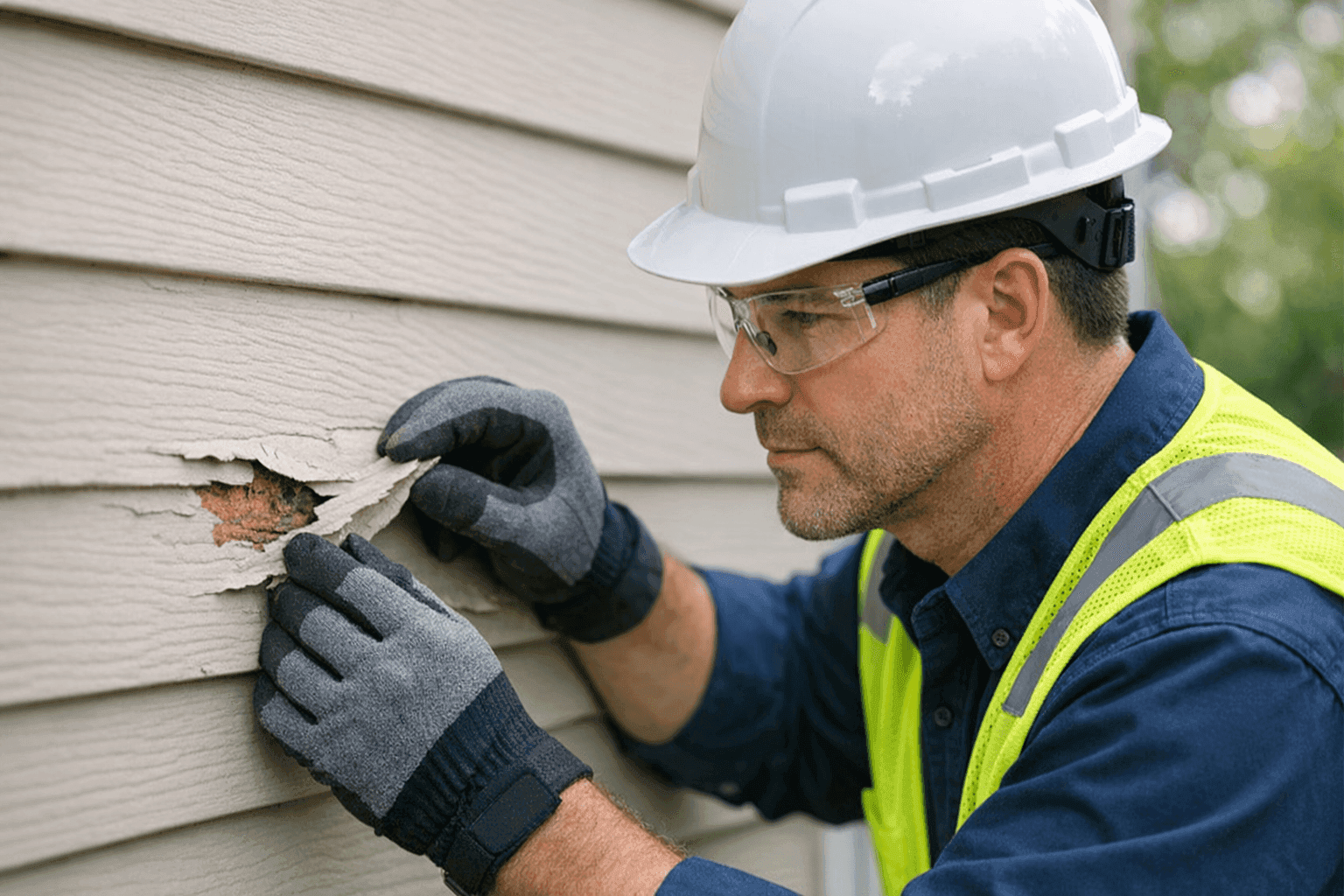
Is your siding starting to look a little rough around the edges? Blisters, bubbles, and peeling paint can turn even the best-looking home into an eyesore. If you’ve noticed these issues, you’re not alone—and you’re smart to look for answers now.
At Kroll Siding, we’ve seen every kind of siding problem in the book. You can protect your home’s curb appeal and avoid costly repairs by understanding what causes blistering and peeling—and how to stop it before it starts.
Why Siding Blisters and Peels
Your siding is like a raincoat for your home. But what happens when water gets trapped under the surface? That’s when blisters form—small bubbles or raised spots that look and feel wrong. Once those bubbles pop, paint and finishes start to peel away, leaving your siding exposed.
Top causes include:
- Moisture Intrusion: Rain, snow, or humidity sneaks behind siding panels or into poorly sealed seams.
- Sun and Heat: Direct sunlight cooks the surface, causing trapped moisture or air to expand and blister the paint.
- Improper Painting: Using the wrong paint or painting over dirty, damp, or glossy surfaces means nothing sticks well.
- Poor Siding Flashing or Caulking: Gaps around windows, doors, and trim let water in, especially if the flashing is damaged or missing.
According to the Paint Quality Institute and recommendations from major paint manufacturers, moisture and surface prep are the #1 culprits for premature siding failure.
Signs of Trouble: What to Look For 👀
You don’t need a magnifying glass to spot the warning signs. Take a slow walk around your home and look for:
- Raised blisters (soft or hard bubbles under paint)
- Peeling, cracking, or flaking paint
- Discolored or swollen siding boards
- Soft spots or warping
- Mold, mildew, or dark stains
If you spot these, it’s time to act. Don’t wait until the damage spreads.
Quick Safety Checklist Before You Begin
Working on your home’s exterior can be straightforward, but safety comes first. Always:
- Use a sturdy ladder on a flat surface
- Wear gloves and safety glasses
- Check for hidden power lines or wasp nests
- Read all paint and cleaning product labels—many require adequate ventilation
If you feel uneasy, or the job is higher than one story, it’s smart to call a pro.
Siding Blistering: DIY or Call a Pro?
Some issues, like a single peeling board, are manageable for handy homeowners. But if large sections are blistered, the siding is soft, or you see signs of rot, it’s time for professional help.
A pro brings:
- Moisture meters to spot hidden leaks
- Knowledge of local building codes
- Access to the right primers, sealants, and paints
- The ability to repair flashing and caulking without guesswork
When in doubt, start with a siding inspection to pinpoint the cause before you spend money on repairs.
What Pros Do First: Siding Inspection Steps
A thorough inspection lays the groundwork for a lasting fix. Here’s how the process usually goes:
- Visual Check: Examine all siding surfaces, joints, and trim.
- Moisture Testing: Use meters to detect hidden dampness.
- Flashing & Caulking Review: Check all seams, windows, doors, and rooflines.
- Paint & Surface Analysis: Determine if peeling is due to paint failure or deeper issues.
This step-by-step approach prevents repeat problems, saving you time and money.
Repair Techniques for Siding Blistering
If the siding itself is sound, you can often restore it with these steps:
- Remove Loose Paint: Use a scraper or wire brush. Don’t sand lead-based paint—test first and follow EPA guidelines.
- Clean: Wash the area with a siding-safe cleaner to remove dirt, mildew, and chalk.
- Dry Completely: Never paint or caulk damp siding.
- Prime Bare Wood or Metal: Use primer recommended by your paint manufacturer for your siding type.
- Repaint: Apply two coats of high-quality exterior paint. Acrylic latex is usually recommended for most siding materials.
- Seal Joints: Repair old caulking, especially around windows and doors.
If the siding is rotted or soft, replacement may be needed. For persistent leaks, siding maintenance can address flashing, caulking, and ventilation problems.
Protective Coatings: Your Home’s Armor 🛡️
Not all paints and coatings are created equal. The right product makes all the difference:
- 100% Acrylic Exterior Paint: Resists UV rays, flexes with siding, and forms a strong barrier.
- Elastomeric Coatings: Extra-thick and stretchable—great for stucco and older wood siding.
- Oil-based Primers: Block stains and help new paint stick to weathered wood.
Check the manufacturer’s recommendations for your specific siding material. The American Architectural Manufacturers Association (AAMA) offers guidelines for best practices.
Siding Flashing Repair: The Unsung Hero
Flashing is the thin metal or plastic that keeps water out of the seams and edges. Damaged or missing flashing is a major cause of blistering, especially around windows, doors, and rooflines.
Signs you need flashing repair:
- Water stains under windows or eaves
- Bubbling paint at corners or edges
- Rust streaks or visible gaps in metal trim
Properly installed flashing channels water away, keeping your siding dry and healthy.
The Importance of Siding Ventilation
Trapped moisture is siding’s enemy. Good ventilation lets your home “breathe,” releasing humidity that can build up behind panels.
Ventilation tips:
- Make sure soffit and fascia vents are clear
- Keep gutters clean to prevent overflow
- Use vapor barriers and insulation as recommended by building codes
A well-ventilated house is like a runner with good lungs—problems just don’t stick around.
Maintenance Schedule: Your Siding’s Calendar
What gets checked gets fixed. Here’s a simple schedule to keep your siding in top shape:
- Spring/Fall: Walk around your home and look for signs of blistering, peeling, and leaks.
- After Storms: Inspect for hail, wind, or debris damage.
- Every 2–5 Years: Wash siding to remove dirt and mildew.
- Every 5–7 Years: Repaint or reseal wood siding, or as recommended for your material.
Keep a notebook or calendar reminder—regular siding maintenance saves money in the long run.
Siding Material Matters: Choosing Wisely
Not all siding is equally prone to blistering. Here’s a quick rundown:
- Vinyl: Low-maintenance, but can warp in extreme heat or if installed poorly.
- Fiber Cement: Durable, resists peeling, but needs proper painting and caulking.
- Wood: Beautiful but vulnerable to moisture, needs regular sealing.
- Metal: Strong, but must be protected from rust and thermal expansion.
- Stucco: Needs elastomeric paint and careful sealing.
For help picking the best fit, schedule a siding material consultation with a pro.
Common Mistakes That Lead to Blistering
It’s easy to make a misstep if you’re in a rush or unfamiliar with siding care:
- Painting over dirt, mildew, or chalky surfaces
- Skipping primer on bare wood or metal
- Painting too soon after rain or washing
- Using interior paint outside
- Ignoring gaps in caulking or flashing
A little patience—letting things dry, prepping right—saves big headaches later.
Costs and Time: What to Expect
Small repairs—like scraping and repainting a few boards—often take an afternoon and can be budget-friendly. Larger jobs, such as replacing siding or re-flashing windows, may take a couple of days and cost more, depending on siding type and extent of damage.
Factor in the price of high-quality paint, caulk, and weatherproofing materials. Cutting corners here is like saving money on an umbrella that leaks.
When Siding Blisters Become an Emergency
Don’t wait if you see:
- Soft, spongy spots (signs of rot)
- Large sections peeling off
- Water entering your home
- Mold or mildew inside
These are signals that moisture has gotten behind your defenses. Emergency siding services can stop damage before it spreads to your home’s structure.
Seasonal Siding Tips: Timing Is Everything 🌦️
- Spring: Prime time for repairs—mild weather helps paint and caulk cure properly.
- Summer: Watch for heat bubbles on the sunniest walls.
- Fall: Remove leaves, inspect flashing, and prep for winter storms.
- Winter: Check for ice dams and clear snow from siding base.
Smart timing means better, longer-lasting results.
Frequently Asked Questions
Q: How long should new siding paint last?
A: With proper prep and quality paint, most siding finishes last 5–10 years. Exposure and maintenance can shorten or extend this.
Q: Can I paint over old blistered paint?
A: Only if you remove all loose material first and prime the bare spots. Otherwise, new paint will peel off too.
Q: Is there a “best” type of siding for avoiding peeling?
A: Fiber cement and vinyl resist peeling best, but all siding needs proper installation and care.
Siding Blistering in Burlington—And Beyond
If you’re searching for reliable siding maintenance or repair in the Burlington area, check out our siding services in Burlington for professional solutions that keep your home beautiful.
Don’t Wait—Protect Your Siding Today
Your home deserves to look its best and stay protected from the elements. If you notice any signs of blistering or peeling, don’t ignore them. A quick call could prevent bigger headaches (and expenses) down the road.
Call Kroll Siding now — or reach us anytime at 888-892-6286 .