How to Prevent Siding Cracks During Freeze-Thaw Cycles
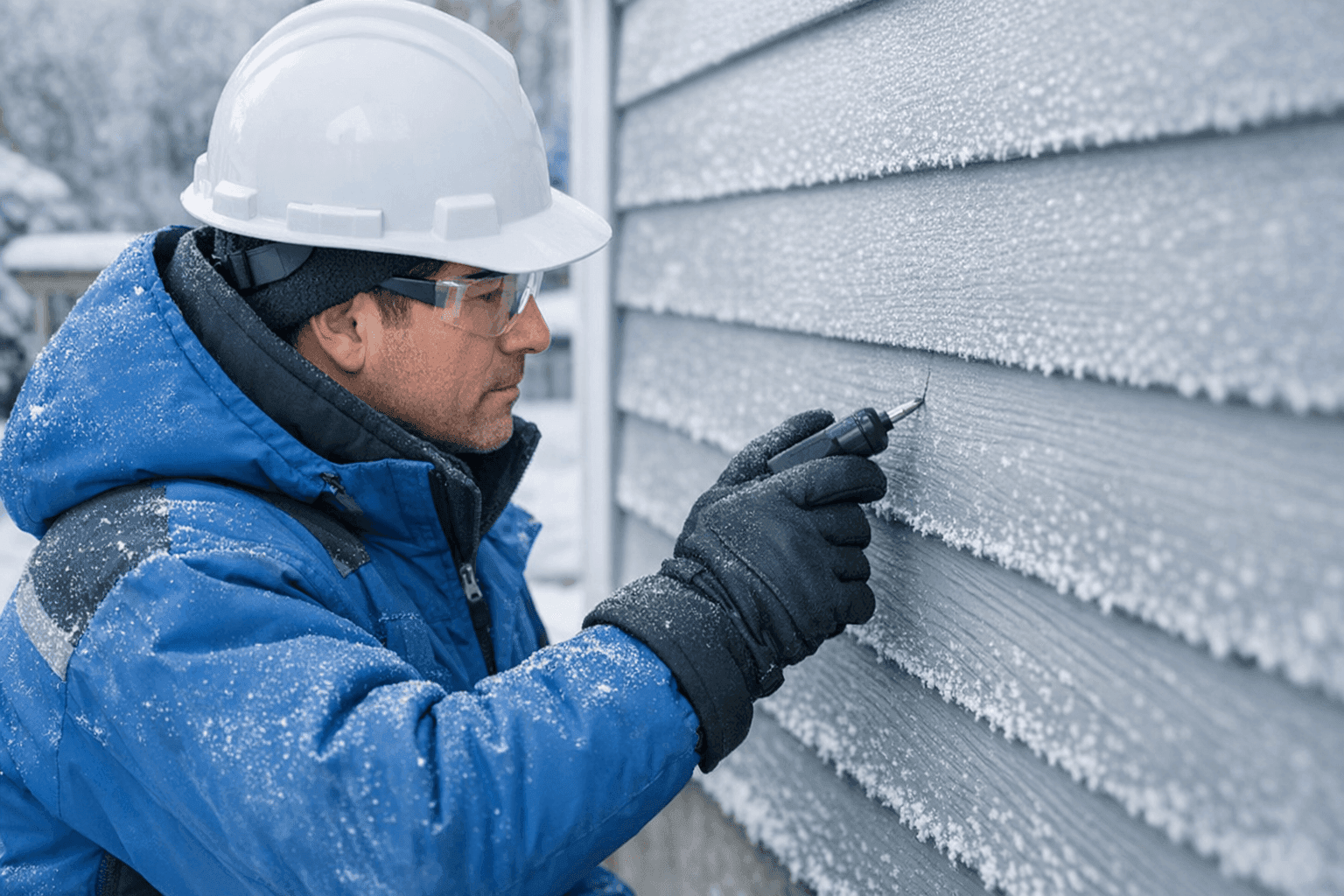
It’s the middle of winter. The temperature drops below freezing at night, then creeps back up in the sunlight. Your siding groans and pops—sometimes you can hear it. If you’re like most homeowners, you wonder: Is that normal? Or is your siding quietly cracking, setting you up for leaks and expensive repairs once the ice melts?
At Kroll Siding, we know what winter stress does to homes. Freeze-thaw cycles are relentless in colder climates. The good news? With the right steps and materials, you can keep your siding strong, all season long.
How Freeze-Thaw Cycles Affect Siding ❄️
Water is sneaky. It slips into even hairline cracks. When temperatures drop, that water freezes, expanding by nearly 9% (according to the U.S. Geological Survey). That’s like trying to zip up your winter coat over a bulky sweater—something’s got to give.
Every time the ice thaws and refreezes, it pushes a little harder. Over weeks and months, small cracks split wider. Paint flakes. Caulking fails. Eventually, siding panels buckle or break.
Common siding trouble spots during freeze-thaw cycles include:
- Edges near windows and doors
- Joints between panels
- Fastener holes or nail pops
- Any spot where caulking is missing
The risk is highest when:
- Daytime highs melt snow or ice, but nights plunge below freezing
- Your home faces north or is shaded, so it stays wet longer
- Older siding has seen a few winters already
Choosing the Right Siding Materials
Not all siding is created equal when it comes to winter survival. Some materials flex with temperature swings; others become brittle and crack.
Fiber Cement: Recommended by industry leaders like James Hardie, fiber cement siding stands up well to freeze-thaw cycles. It resists warping and cracking, but must be installed with proper clearances and caulking.
Vinyl Siding: Vinyl is flexible and can handle movement—but low-quality panels may get brittle over time. The Vinyl Siding Institute suggests using thicker, premium-grade vinyl for cold climates and ensuring it’s not nailed too tightly.
Metal Siding: Galvanized steel and aluminum shed water fast, and modern coatings help prevent rust. However, dents from ice or hail can still cause trouble.
Wood Siding: Classic wood expands and contracts with moisture. If not sealed and maintained, water intrusion during freeze-thaw leads to cracking, rot, and paint failure. The USDA Forest Service’s Wood Handbook recommends diligent sealing and annual maintenance in freeze-prone regions.
Before winter, ask a pro about your siding’s material and age. If you’re planning new construction or a replacement, choose materials tested for freeze-thaw durability. Our siding weatherproofing service can guide you through the best options.
Signs Your Siding Is at Risk
Spotting problems early is half the battle. Here’s what to watch for as temperatures start to dip:
- Hairline cracks or splits along siding boards or panels
- Warped or buckled sections
- Flaking paint or faded color (especially on wood or fiber cement)
- Gaps at joints, trim, or where siding meets windows and doors
- Staining or streaks—evidence of water getting in and freezing
If you see these warning signs, act before winter buries them in snow. Quick repairs now are cheaper than a major overhaul in spring.
Winter Maintenance: What Really Works
Winter maintenance for siding isn’t complicated, but it does require a sharp eye and a steady hand.
Checklist:
- Inspect siding after the first frost and after major storms
- Clear leaves, snow, and debris away from siding bottom edges
- Check caulking and sealants at all joints and seams
- Tighten loose fasteners and replace any missing or popped nails
- Clean gutters to keep meltwater from spilling over onto siding
A little attention goes a long way. The National Association of Home Builders (NAHB) recommends routine siding checks as part of all fall and winter home maintenance.
Pro Tips: How the Experts Prepare Siding for Freeze-Thaw
Skilled installers do more than just nail up panels. At Kroll Siding, our teams:
- Use weatherproof flashing around windows, doors, and corners
- Apply high-quality, flexible caulk rated for extreme temperatures
- Space panels and trim to allow for expansion and contraction
- Check that all ventilation paths (soffits, attic vents) are clear to prevent moisture buildup
- Recommend insulation upgrades when needed to reduce interior condensation
These steps are backed by manufacturer guidelines and building codes—details that make a big difference when the mercury drops.
Siding Flashing Repair: A Hidden Hero
Flashing is like the raincoat seam that keeps water out. If it’s damaged or missing, water sneaks behind your siding and freezes, causing hidden cracks. Flashing repair is often overlooked but crucial for keeping siding tight and dry.
If you’re searching for “Siding Flashing Repair near you,” look for a team that inspects every vulnerable zone, not just what’s obvious. Our crews always check flashing as part of a winter tune-up.
DIY or Call a Pro?
Some jobs are safe for handy homeowners. Cleaning gutters, trimming back shrubs, and simple caulking—these are good weekend projects.
But for cracked panels, buckled boards, or leaks inside your home, it’s time to call a pro. Siding repairs require specialized tools, safety gear, and knowledge of how different materials behave in the cold. Improper fixes can make things worse, void warranties, or set you up for bigger repairs later.
Emergency Siding Crack Repairs
Cracks during freeze-thaw cycles aren’t always urgent, but sometimes they are:
- If you see water leaking inside during a thaw
- If siding panels are pulling away or falling off
- If wind or ice storms rip open seams
That’s when emergency siding services matter. A prompt repair keeps water from damaging your insulation, framing, and interior finishes.
When to Replace vs. Repair
How do you know when it’s time for a fresh start?
- If more than 20% of a wall is cracked or warped, replacement is usually smarter
- If repeated repairs haven’t solved leaks or drafts
- If your siding is over 20 years old and showing its age
Kroll Siding offers honest advice—sometimes a targeted repair is all you need, other times a full replacement saves money in the long run. Our siding maintenance experts can assess and recommend the right path.
Common Mistakes That Lead to Siding Cracks
Avoid these pitfalls:
- Using cheap or expired caulk that hardens and cracks in cold weather
- Ignoring small cracks until they grow (freezing water will always make them bigger)
- Blocking or sealing over ventilation gaps—trapped moisture is the enemy
- Painting or sealing siding outside the recommended temperature range
Remember: manufacturer guidelines exist for a reason. Always check the label or consult with a siding professional.
The Costs and Timeline for Winter Siding Repairs
Most minor crack repairs and sealant touch-ups can be done in a single visit, with minimal disruption. More extensive panel replacements or flashing repairs may take a day or two.
Costs depend on material, siding age, and how easy your home is to access in winter. The Home Advisor cost index reports that average siding crack repairs run between $200–$800, while full panel replacements can be higher, especially if weather delays work.
Protecting Your Investment: Siding Warranties
Many siding brands offer warranties—but only if you keep up with maintenance and repair. Skipping seasonal checks or using the wrong products can void your coverage.
Keep records of all inspections and repairs. If you ever need to file a claim, you’ll be glad you did.
Frequently Asked Questions
Does every siding material crack the same way in winter?
No. Vinyl may split at nail holes, fiber cement can chip at edges, and wood may swell and crack along the grain.
Can I paint my siding in winter?
It’s risky. Most paints and stains need temps above 50°F to cure properly. Wait for a warm spell or plan your painting for spring or fall.
Is it worth adding insulation behind my siding before winter?
Yes, extra insulation keeps your siding drier by reducing condensation, which means less freeze-thaw risk.
What if I have a mix of siding materials?
Each material needs its own care. A professional inspection will spot unique risks and recommend the right fixes.
Seasonal Siding Care Timeline
- Fall: Inspect, clean, and seal. Repair any cracks or gaps before the first freeze.
- Winter: Watch for storm or ice damage. Clear snow away from siding bases.
- Spring: Check for new cracks as everything thaws. Schedule a professional inspection if needed.
Local Siding Help When You Need It
If your siding is already showing signs of freeze-thaw damage, don’t wait for bigger headaches. For homeowners looking for reliable siding repair in Cambridge, MA, our team is ready with fast, professional help.
Final Thoughts: Strong Siding, All Winter Long
Freeze-thaw cycles are tough, but your siding doesn’t have to crack under pressure. With smart material choices, regular maintenance, and help from experienced pros, you can protect your home from winter’s worst.
Call Kroll Siding now — or reach us anytime at 888-892-6286 .