How to Prevent Siding Damage During Winter
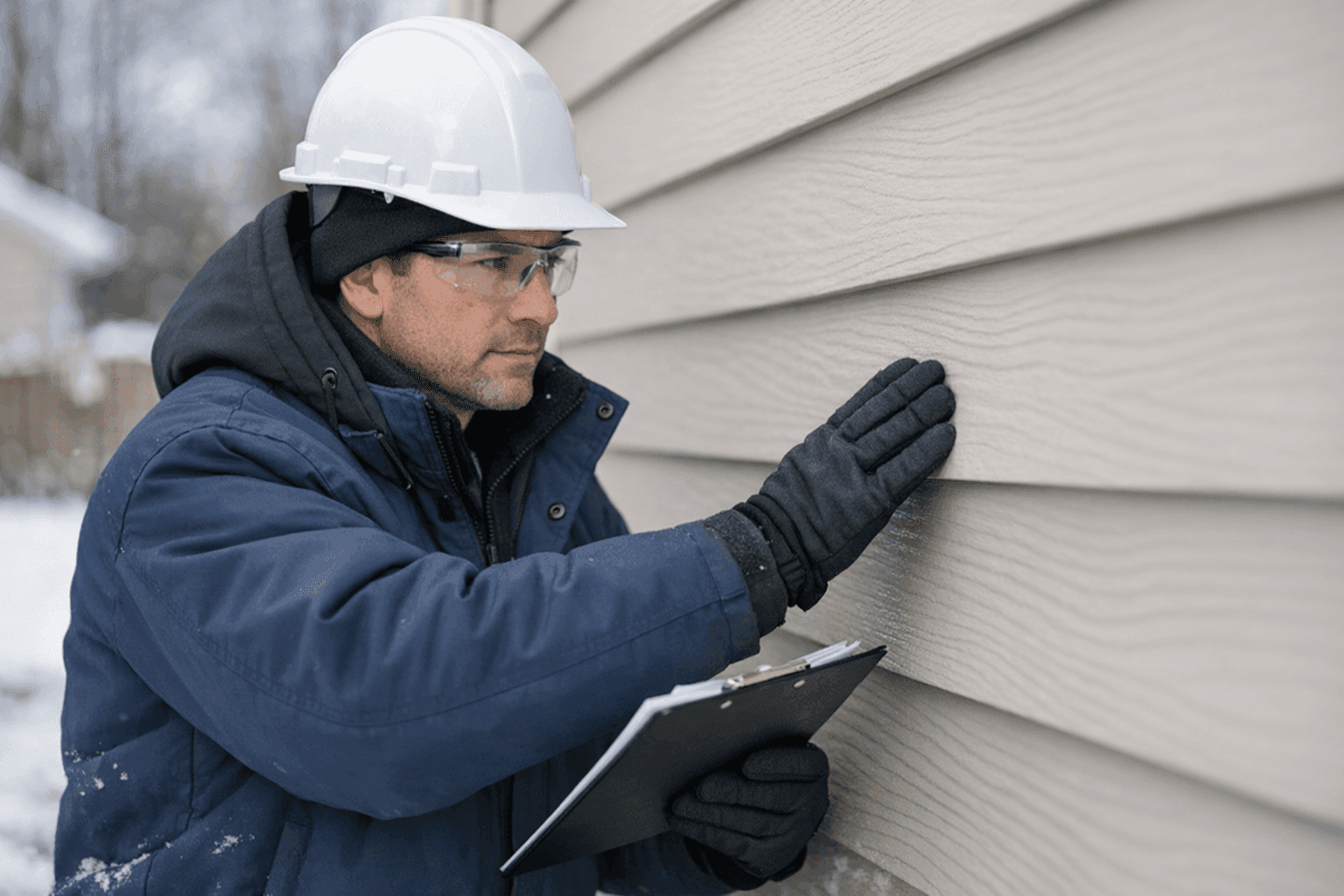
When winter rolls in, your home’s siding faces a true test. Blizzards, ice, and constant freeze-thaw cycles push every seam and fastener to its limit. If you’ve ever dealt with cracked or buckling panels after a hard winter, you know the frustration—and the repair bill.
At Kroll Siding, we help homeowners prevent expensive surprises. Our pros see the same winter risks year after year, and we know exactly how to sidestep them. Let’s break down what you can do right now to keep your siding strong and your home dry all season.
Winter Siding Risks: What’s At Stake?
Picture your siding like a coat of armor. When the cold sets in, snow piles up, melts a little, refreezes, and repeats. This cycle can pry open even the tightest seams. Water sneaks in and freezes, forcing cracks wider with every cold snap. Wind-driven ice can loosen fasteners. Heavy snow puts pressure on gutters, soffits, and fascia, sometimes pulling them away from the house.
- Freeze-Thaw Damage: Moisture seeps into small cracks or gaps, then freezes and expands.
- Ice Dams: Blocked gutters cause melting snow to back up under siding and roofing.
- Wind Damage: Gusts can rip at loose panels or trims, especially if they’re already weakened.
- Hidden Leaks: Water finds its way behind siding through gaps, leading to mold or rot.
It’s not just about looks. Untreated winter siding damage can lead to insulation failure, energy waste, and even structural problems.
Quick Safety Checklist Before Winter Hits 🧤
Before the first heavy frost, run through this essential checklist:
- Inspect all siding seams and joints for visible gaps or cracks.
- Check for loose or rattling panels—especially after storms.
- Make sure gutters and downspouts are clear and securely attached.
- Look for signs of mildew, rot, or staining on soffit and fascia boards.
- Test the caulking and sealant around windows, doors, and trim.
- Confirm attic and wall insulation is intact and dry.
Use binoculars for upper stories, and never climb icy ladders. If you spot significant damage, call for professional help. The Occupational Safety and Health Administration (OSHA) strongly recommends avoiding DIY work in slippery conditions.
Pre-Season Prep: Weatherproofing Your Siding
Think of weatherproofing as giving your home an all-weather jacket. Start with a thorough visual inspection in the fall. Look for hairline cracks, bubbling paint, or warped boards—these are warning flags.
Steps for solid prep:
- Re-caulk and seal any visible gaps, especially around flashing and trim.
- Replace damaged or missing siding panels.
- Add weather stripping where siding meets windows and doors.
- Upgrade insulation in attics and wall cavities to reduce ice dam risk.
- Schedule a professional siding-weatherproofing service for peace of mind.
The U.S. Department of Energy highlights proper insulation and air sealing as the best ways to maintain indoor comfort and protect exteriors from winter extremes.
Snow and Ice Removal: Safe, Effective, and Necessary ❄️
Letting snow pile up is like letting water pool on your hardwood floors—it’s a recipe for trouble. But scraping or banging on siding with shovels can do more harm than good.
Best practices:
- Use a plastic roof rake to gently clear snow away from siding and foundation.
- Knock icicles off gutters and soffits with care—never pull or bang.
- Keep ground-level vents and dryer exhausts clear to avoid trapped moisture.
- Avoid salt or harsh de-icers near siding, as they can damage finishes.
If you notice thick ice sheets or ice dams, this is not a DIY job. Call a siding professional to safely remove buildup and check for hidden leaks or loosened panels.
Emergency Repairs: When Every Minute Counts
Sometimes, winter wins a round. A tree branch falls, a gutter rips loose, or siding cracks wide open in a deep freeze. Quick action can prevent a small issue from turning into a big disaster.
What to do in an emergency:
- Cover exposed areas with heavy-duty plastic or tarps until help arrives.
- Avoid using space heaters or open flames near damaged sections.
- Call for emergency siding repair if water is entering your home.
Our crews at Kroll Siding are trained to respond fast, assess the damage, and stabilize your exterior until a full repair is possible.
DIY vs. Call a Pro: Knowing Your Limits
Some tasks are great for handy homeowners—caulking a small gap or brushing off snow. Others, like replacing panels or working near power lines, are best left to pros.
DIY:
- Cleaning, light sealing, clearing debris.
- Small touch-ups with exterior-grade caulk.
Call a pro for:
- Major cracks, missing flashing, or loose panels.
- Anything involving heights or electric lines.
- Recurring leaks or insulation problems.
Not sure what’s safe? The International Residential Code (IRC) sets guidelines for siding installation—if your repair involves structural elements, it’s time to call in the experts.
What Pros Do on Arrival: The Kroll Siding Approach
When our team shows up after a storm or freeze, we don’t just patch holes. We look at the big picture.
Our process includes:
- Full siding inspection, inside and out.
- Moisture checks behind panels and around windows.
- Testing insulation integrity, especially in attic and wall spaces.
- Detailed report of findings, with straightforward repair options.
We bring specialized tools—infrared cameras, moisture meters, and industry-approved materials. No guesswork. No shortcuts.
Prevention & Maintenance: Your Year-Round Game Plan
Winter prep isn’t a one-time event. Think of it as a seasonal tune-up—like changing your car’s oil before a long drive.
Ongoing maintenance tips:
- Wash siding in early spring and late fall to spot hidden damage.
- Clear gutters and downspouts monthly in cold weather.
- Re-caulk joints every 2–3 years, or sooner if you see signs of failure.
- Schedule a professional inspection at least once a year.
Good maintenance now means fewer headaches (and bills) later.
Costs & Time Factors: What to Expect
Budgeting for winter siding care is smart. Most minor repairs—caulking, small patches, gutter tightening—take just a few hours and are relatively affordable. Large-scale issues like water intrusion or full panel replacements take longer and cost more, but early intervention always saves money.
Average timelines:
- DIY sealing/cleaning: 1–2 hours.
- Professional inspection: 2–3 hours.
- Major repairs: 1–3 days, depending on scale.
The National Association of Home Builders recommends annual siding checkups to catch problems before they grow.
When It’s an Emergency
If you see water coming inside, hear panels banging in the wind, or notice ice forming inside your walls, act fast. That’s when siding issues move from “annoying” to “urgent.”
- Shut off water to affected areas if possible.
- Move valuables away from exterior walls.
- Call for an emergency siding service right away.
Common Mistakes Homeowners Make
- Ignoring small cracks or missing caulk.
- Letting gutters clog with ice and debris.
- Using improper tools or harsh chemicals for snow removal.
- Waiting until spring to address winter damage.
A little prevention goes a long way. Don’t let minor issues snowball into major repairs.
Signs of Trouble: What to Watch For
- Warped, cracked, or buckling siding panels.
- Peeling paint or bubbling finishes.
- Persistent mildew or musty smells.
- Icicles forming where they shouldn’t.
- Interior wall dampness or water stains.
See these signs? It’s time for a siding inspection.
Timeline & Disruption: How Repairs Affect Your Routine
Most winter siding repairs are quick and tidy. At Kroll Siding, we plan work to minimize disruption—targeted repairs, clean workspaces, and clear communication with every homeowner.
- Most projects are completed in a single day.
- No mess left behind.
- Our crews are respectful of your schedule and property.
Materials & Equipment: The Right Stuff for Winter
Not all siding is created equal. Vinyl, fiber cement, wood, and metal each have their own winter strengths and weaknesses.
- Vinyl: Flexible but can crack in deep cold.
- Fiber cement: Durable, but needs well-sealed joints.
- Wood: Prone to rot; must be kept dry and sealed.
- Metal: Strong, but needs rust protection.
We use only weather-rated materials and sealants approved by industry standards (see ASTM International guidelines for reference).
Maintenance Checklist: Your Go-To Guide
- Inspect siding after every major storm.
- Keep gutters and downspouts clear.
- Check attic and wall insulation for dampness.
- Reapply exterior caulking as needed.
- Book annual siding inspections.
Tape this checklist to your garage door, or set a calendar reminder. Your future self will thank you.
Siding Solutions for Every Home
Every home is different. That’s why Kroll Siding offers custom solutions—eco-friendly options, color consultations, and siding material consultations for any style or budget. If you’re in the Southaven area, find top-rated siding installers here for trusted help.
Winter can be tough on your home’s exterior, but you don’t have to face it alone. For help with siding flashing repair, weatherproofing, or emergency winter repairs, Call Kroll Siding now — or reach us anytime at 888-892-6286 .