How to Prevent Siding Leaks Around Windows and Doors
When rain pounds your windows and doors, the last thing you want is water sneaking into your walls. Siding leaks might start small, but even a trickle can snowball into stained drywall, warped wood, or nasty mold.
At Kroll Siding, we see it all the time: a tiny gap, a missed bead of caulk, and suddenly you’re facing repairs that could have been avoided. Here’s how to keep your home protected and dry—without the guesswork.
Why Leaks Happen: Understanding the Enemy
Water always finds the path of least resistance. Around windows and doors, that means any crack, gap, or poorly sealed joint becomes an open invitation. Wind-driven rain sneaks behind siding, and gravity pulls it down—often out of sight, until damage appears.
Common culprits include:
- Missing or poorly installed flashing
- Dried-out, cracked, or missing caulk
- Gaps between siding and trim
- Improperly lapped materials
- Clogged or damaged gutters
National building codes (like the International Residential Code, Section R703.8) require flashing and weather-resistive barriers for a reason: these are your first defense against leaks.
Key Leak-Prone Areas to Watch 🧐
Windows and doors are like puzzle pieces in your siding. If the fit isn’t perfect, water gets in. Focus inspection and maintenance on:
- Window sills and heads (especially horizontal seams)
- Top and sides of door frames
- Joints where siding meets trim
- Corners where two walls meet
- Beneath bay or box windows
- French doors and sliding glass doors
Even a nail hole or a small gap can let water in. Think of water as a persistent trickle—over time, it will exploit any weakness.
Safety First: Quick Precautions Before You Begin
Before you start poking around, keep yourself and your home safe:
- Use a sturdy ladder on level ground
- Wear gloves and eye protection when handling old caulk or sharp flashing
- Turn off outdoor electrical circuits if working near outlets or fixtures
- Avoid working during wet or windy weather
The Telltale Signs of Trouble
Don’t wait for water on the floor. Watch for:
- Bubbling or peeling paint inside or out
- Soft or spongy wood around windows
- Mold or mildew odors
- Water stains on interior walls near windows or doors
- Warped or loose siding panels
If you spot these, act fast. The sooner you fix the source, the less you’ll spend on repairs.
What Causes Flashing to Fail?
Flashing is your home’s raincoat. If it’s missing, bent, or installed incorrectly, leaks are almost guaranteed.
Common failures:
- Flashing not lapped correctly (should always direct water away)
- Inadequate overlap with building paper or house wrap
- Nails driven through flashing, creating holes
- Corrosion, especially on older metal flashing
A proper siding inspection will always check for these issues. If you’re not sure, a reputable "Siding Flashing Repair near you" can help pinpoint trouble.
Sealing Steps: How to Block Leaks Around Windows and Doors
Ready to roll up your sleeves? Here’s how siding pros like Kroll Siding approach leak prevention:
- Inspect all joints and seams: Use a flashlight and a putty knife to gently probe for soft spots or gaps.
- Remove old caulk: Cut away cracked or loose caulking with a utility knife. Clean surfaces thoroughly.
- Check flashing: Make sure it extends past the edge of the window/door and laps over the house wrap or building paper.
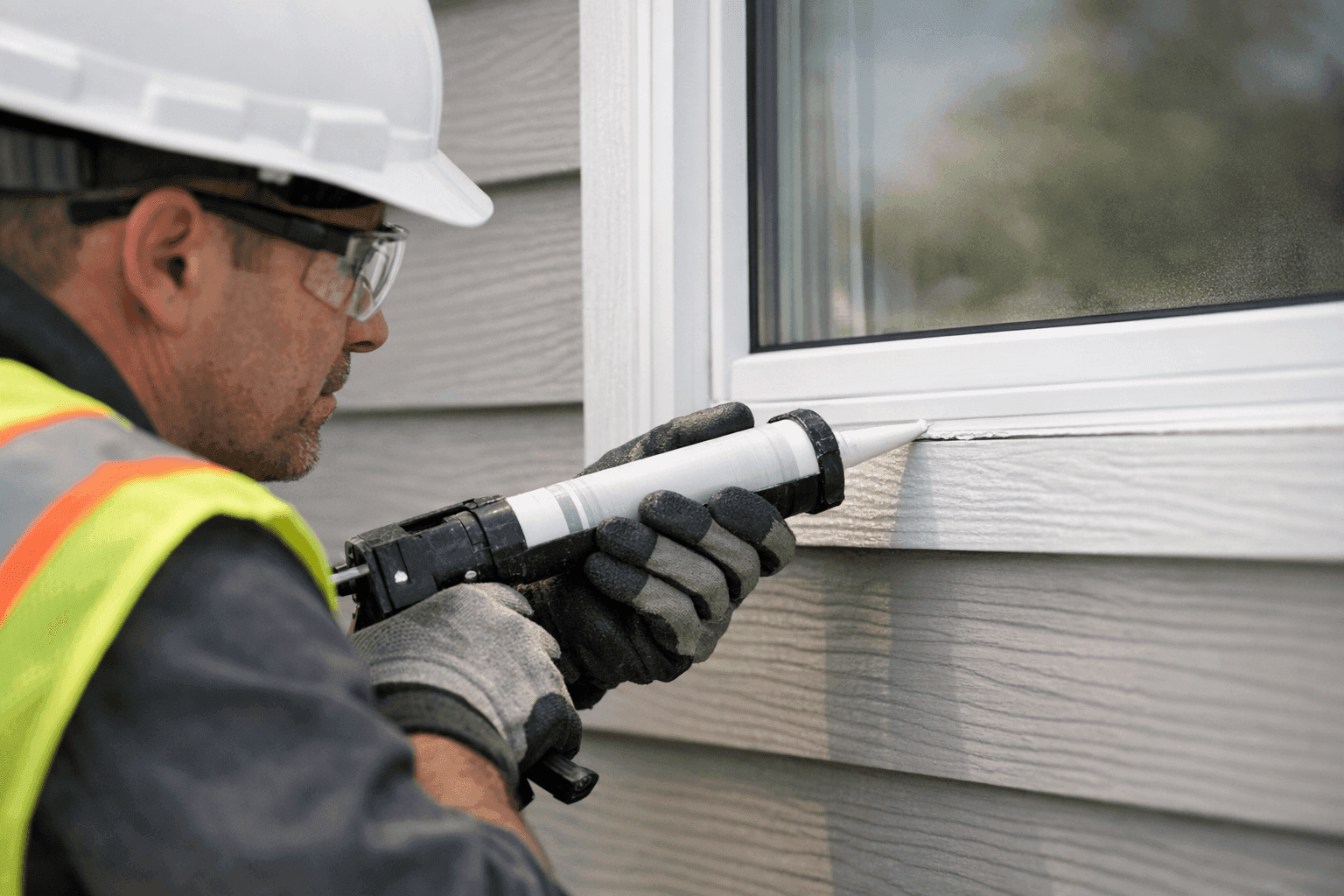
- Apply high-quality caulk: Use exterior-grade, paintable caulk (like polyurethane or silicone blends). Apply in a steady bead, pressing into joints.
- Smooth and tool the bead: Use a caulk tool or your finger dipped in water for a neat finish.
- Seal nail heads and fasteners: Any exposed metal is a potential leak point.
- Inspect after heavy rain: A quick check can catch new leaks early.
Find more on professional siding caulking and sealing services from Kroll Siding.
Pro Techniques: What Sets the Experts Apart
A professional eye can spot issues homeowners often miss. Here’s what pro crews do differently:
- Use backer rod for wide gaps to support caulk
- Select flashing material that matches your siding (aluminum, vinyl, or custom-bent metal)
- Follow manufacturer instructions for each siding type (vinyl, fiber cement, wood, etc.)
- Pair caulking with proper painting or siding touch-ups for a seamless barrier
Pros also check that installations follow current building codes—important for your home’s value and insurance.
Building Code Basics for Siding Protection
The International Residential Code (IRC) and local regulations set standards for:
- Minimum flashing dimensions and placement
- Required weather barriers behind siding
- Proper caulking and joint treatments
- Approved materials for different climates
While you don’t need to memorize the code, knowing your siding meets these standards helps prevent both leaks and inspection headaches down the road.
Common Mistakes That Lead to Leaks 🚫
Even a well-meaning DIY job can cause headaches if you miss a step. Watch out for:
- Using interior caulk outdoors (it won’t last)
- Skipping surface prep—caulk won’t stick to dirt or old paint
- Overfilling or underfilling joints
- Ignoring hidden spots, like above windows or under sills
- Waiting too long between inspections
Leaks rarely fix themselves. Even small mistakes can snowball into big repairs.
When It’s Time to Call a Pro
Some problems need more than a tube of caulk. Call in a siding service if:
- You see water stains spreading or recurring
- Flashing is missing, rusted, or visibly damaged
- Multiple windows or doors have leaks
- Siding is warped, cracked, or loose
- You need repairs after a storm
Fast action from a pro stops water in its tracks—and saves your wallet from future repairs.
What to Expect When a Pro Arrives
A qualified siding technician will:
- Inspect all windows, doors, and adjacent siding
- Test for hidden moisture with a meter
- Remove and replace failed caulk or flashing
- Recommend upgrades if your siding is outdated or poorly installed
- Check gutters and downspouts for related issues
You’ll also get a repair plan and estimated timeline. Most jobs are done in a day, but complex repairs or storm damage may take longer.
Timeline and Disruption: How Long Will It Take?
Simple caulking and sealing jobs usually wrap up within a few hours. If flashing needs replacing, add a few more. For major repairs—such as replacing rotted framing or sheathing—expect 1–2 days, plus drying time.
Most work is low-disruption. No need to vacate your home, though you may want to keep pets and kids clear of work zones.
Seasonal Considerations: Best Time for Siding Maintenance
Spring and fall are ideal for exterior sealing and inspections. Caulk cures best in moderate temperatures (above 40°F and below 80°F). After a harsh winter or summer storm, always check for new leaks or siding issues.
Materials and Tools: What You’ll Need
For basic maintenance, keep these on hand:
- Utility knife
- Putty knife or scraper
- Exterior-rated caulk and caulking gun
- Flashlight
- Ladder
- Rags and cleaning solution
- Paint (if touching up sealed areas)
Pros bring advanced tools, like moisture meters and specialty flashing cutters, for tough jobs.
DIY or Hire a Pro? Weighing Your Options 🛠️
If you’re handy and comfortable on a ladder, caulking and minor touch-ups are doable. But for anything more than surface fixes, or if you’re dealing with multiple leaks, it’s safer and more cost-effective to call in a siding specialist.
Remember, incorrect repairs can void warranties or lead to insurance headaches. A pro ensures repairs meet code and last for years.
Prevention Is Cheaper Than Repair
A little time spent on sealing and inspection saves you big money down the line. Don’t skip your annual siding checkup. If you’re unsure where to start, schedule a siding flashing repair assessment to spot issues early.
Siding Leak FAQs
How often should I check my siding?
Twice a year—spring and fall—plus after major storms.
How long does caulking last?
Quality exterior caulk can last 5–10 years, but weather and sun exposure may shorten that.
Can leaks cause mold inside walls?
Absolutely. Moisture trapped behind siding is a breeding ground for mold and rot.
What if I have old wood siding?
Wood needs extra attention. Inspect for rot, repaint or reseal as needed, and consider upgrading to weather-resistant materials if leaks persist.
Ready for Leak-Free Siding?
Don’t wait until water damage leaves its mark. If you’re looking for reliable siding services or need skilled siding pros in Waukesha, Kroll Siding is here to help you keep your home safe and dry.
Call Kroll Siding now — or reach us anytime at 888-892-6286 .