How to Prevent Siding Rot and Water Damage
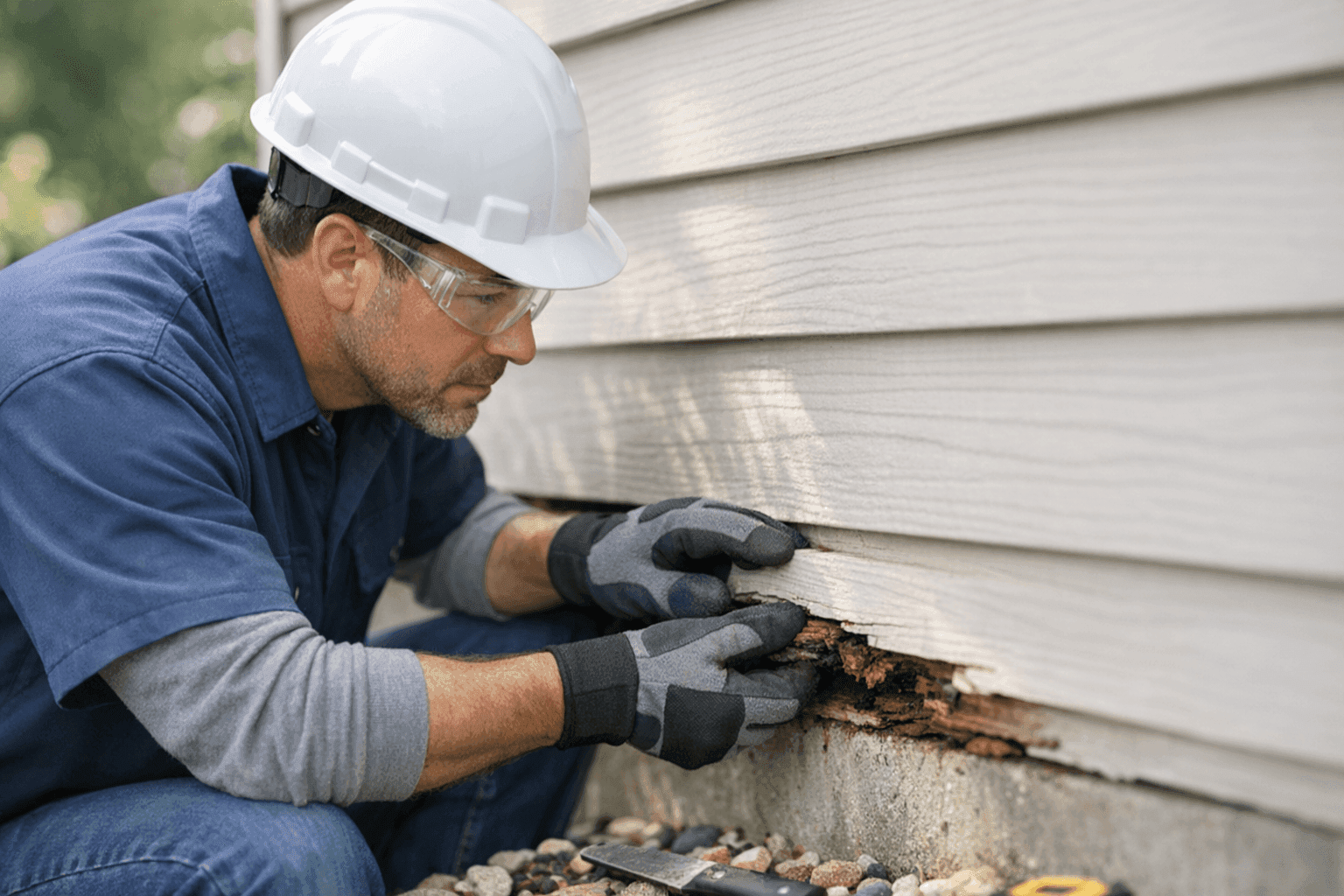
Your home’s siding is like armor. But even the strongest armor can get worn down—one rainy season, one wind-driven storm at a time. If you’ve ever spotted bubbled paint or soft, swollen boards, you know how quickly water damage sets in.
At Kroll Siding, we’ve seen how fast a simple drip can turn into a costly repair. The good news? With a few smart steps and regular checkups, you can keep siding rot at bay and your home looking sharp for years.
What Causes Siding Rot?
Siding rot doesn’t just show up overnight. It creeps in when moisture and neglect meet. Here’s how it usually starts:
- Trapped Water: Rain, melting snow, or even sprinkler overspray seeps behind siding panels.
- Poor Ventilation: Without airflow, damp spots can linger and breed decay.
- Leaky Gutters or Flashing: Faulty water management sends streams right where you don’t want them.
- Aging Caulk: Old, cracked sealant lets water sneak in—quietly and steadily.
Think of rot as a slow leak in a boat. You might not notice at first, but left unchecked, you’ll soon be in deep water.
High-Risk Spots Around Your Home 🧐
Some parts of your house are more vulnerable than others. Here’s where to keep a sharp eye:
- Window and Door Frames: Water loves to pool at these intersections.
- Bottom Edges of Siding: Gravity pulls moisture down, letting it collect near the foundation.
- Joints and Seams: Overlapping boards, trim, and corners are weak points.
- Behind Gutters: Overflow or leaks can soak the siding you're trying to protect.
- Soffit and Fascia: These transition zones are often overlooked but take the brunt of roof runoff.
Regularly inspect these areas—especially after storms or freeze-thaw cycles.
The Real Cost of Siding Rot
Siding rot is more than an eyesore. Once it sets in, it can:
- Weaken your home’s exterior structure
- Invite pests and mold indoors
- Lower your property value
- Lead to expensive repairs or full siding replacement
Ignoring the early warning signs often means paying double later. A little maintenance goes a long way.
Best Prevention Methods
Keeping water out is half the battle. Here’s how to build a watertight defense:
1. Stay on Top of Siding Inspections
Inspect your siding at least twice a year. Look for:
- Soft spots or discoloration
- Cracking or peeling paint
- Warped or loose boards
- Mold or mildew growth
Catch problems early and you’ll prevent rot before it takes hold. If you’d rather have a pro do it, Kroll Siding offers siding inspection services with a trained eye for detail.
2. Fix Flashing and Caulking Fast
Flashing is the thin metal that directs water away from joints and seams. If it’s bent, rusted, or missing, get it fixed. The same goes for caulking—replace it if it’s dry, split, or pulling away. Think of it as the glue that keeps your siding weatherproof.
3. Clean Your Siding Regularly
Dirt, leaves, and algae trap moisture. Rinse your siding with a garden hose and a soft brush at least once a year. Stay away from harsh pressure washers—they can force water behind the panels.
4. Maintain Gutters and Downspouts
Clogged gutters spill water right down your walls. Clean them every spring and fall. Make sure downspouts direct water at least five feet from your foundation.
5. Ventilate Attics and Walls
Good airflow behind siding helps dry out any sneaky moisture. Make sure soffit vents are clear and attic insulation isn’t blocking them.
Rot-Resistant Materials and Modern Solutions
Choosing the right siding can make a world of difference. Some materials naturally stand up to moisture better:
- Fiber Cement: Tough as nails and resists rot and fire.
- Vinyl: Won’t absorb water, though proper installation is key.
- Metal Siding: Immune to rot and insects, with a modern look.
- Engineered Wood: Treated to fight decay, but needs regular sealing.
When repairing or replacing, talk to a siding pro about the best fit for your climate and home style. Our siding weatherproofing services can help you choose and install the right solution.
DIY or Call In the Pros?
Some tasks—like cleaning and basic caulking—are doable for most homeowners. But if you spot:
- Large soft spots
- Visible mold or rot
- Extensive water damage
…it’s time to call in professionals. They have the tools (and the ladders) to fix hidden problems and keep your siding sealed tight.
Emergency Siding Scenarios
Sometimes storms or accidents leave your siding exposed. If you have sudden water leaks, gaping holes, or visible rot after a storm, don’t wait. Quick temporary patches can help, but permanent repairs need a skilled hand.
Siding Maintenance Timeline
- Monthly: Check gutters and downspouts, especially after storms.
- Spring/Fall: Inspect siding, caulking, and paint. Clean siding if needed.
- Every 2–3 Years: Full siding inspection, including flashing and trim.
- As Needed: Prompt repairs for any cracks, holes, or water stains.
Common Mistakes to Avoid ⚠️
- Waiting too long to fix small cracks or leaks.
- Ignoring signs of mildew or algae.
- Using harsh chemical cleaners that damage siding.
- Forgetting about hidden spots (like behind bushes or under decks).
Stay vigilant. Your siding will thank you.
Signs of Trouble: What to Watch For
Not sure if your siding is at risk? Keep an eye out for:
- Paint that bubbles or flakes
- Mushy or crumbly wood
- Musty smells inside walls
- Sudden spikes in your energy bill (moisture can hurt insulation)
These symptoms need attention—fast.
When It’s Time for Siding Replacement
If repairs keep piling up or the rot just won’t quit, replacing part (or all) of your siding may be smarter—and safer—in the long run. Modern materials offer better weather resistance and longer warranties than ever before.
How Pros Inspect for Water Damage
At Kroll Siding, we follow high standards—just like the International Residential Code (IRC) recommends. We check all seams, flashing, and hidden areas. We’ll show you what we find and walk you through repair or replacement options, step by step.
Siding and Water Management: The Big Picture
Your house is a system. Siding, gutters, trim, and flashing all work together to keep water out. Regular upkeep helps the whole setup last longer and perform better.
Regional Considerations
Storms, humidity, and freeze-thaw cycles can all affect siding. If you’re in a climate with heavy rains or wild swings in temperature, choose materials and maintenance plans that suit your local weather. For homeowners in Midwest City, our Midwest City siding services can help protect your home from the region’s unique challenges.
Closing Thoughts: Keep Siding Strong for Years
Siding rot and water damage don’t have to be a foregone conclusion. With smart material choices, regular maintenance, and quick action at the first sign of trouble, you’ll keep your home dry and looking its best.
Call Kroll Siding now — or reach us anytime at 888-892-6286 .