How to Prevent Siding Warping and Buckling
Is your home’s siding starting to ripple, bulge, or twist out of shape? If you’ve spotted these telltale signs, you’re not alone. Siding warping and buckling can sneak up on any homeowner, turning that crisp, clean exterior into a wavy problem you can’t ignore.
At Kroll Siding, we see this issue all the time. Understanding why siding misbehaves—and how to stop it before it starts—can save you money, stress, and preserve your home’s curb appeal for years.
Why Siding Warps: The Core Causes
Siding doesn’t just wake up one morning and decide to warp. It’s usually a slow dance between moisture, heat, and installation errors. Think of your siding as a suit of armor for your house—if it’s put on wrong or exposed to the elements too long, it starts to sag and lose its shape.
Main culprits:
- Moisture: Water sneaks behind siding from rain, clogged gutters, or condensation. Over time, it soaks into wood or seeps behind panels, making them swell and buckle.
- Heat: Vinyl and some other materials expand in the sun. If there’s no room to move, panels press against each other and warp.
- Improper installation: Tight nailing, skipped flashing, or ignoring manufacturer guidelines can trap panels in place, which is a recipe for disaster.
- Lack of ventilation: Without airflow behind the siding, trapped heat and moisture speed up warping.
Common Installation Mistakes (And How Pros Avoid Them) 🛠️
Poor installation is like building a sandcastle too close to the tide. It might look fine at first, but trouble’s coming.
Mistakes we see most:
- Nails driven too tight: Siding needs space to “float.” Nails should never pin panels so tightly they can’t expand or contract.
- Ignoring expansion gaps: Leaving gaps at ends and corners is code (see International Residential Code Section R703.3). Skip this step, and warping follows.
- Missing or improper flashing: Flashing keeps water out. If it’s missing or poorly installed, water will find its way behind the siding.
- Skipping vapor barriers: Especially in humid climates, this layer is key for blocking moisture.
Pro tip: Always follow the manufacturer’s instructions. These are written by people who know the product’s quirks best. At Kroll Siding, our siding inspection service checks for all these issues—before they become problems.
What Happens During a Professional Siding Inspection
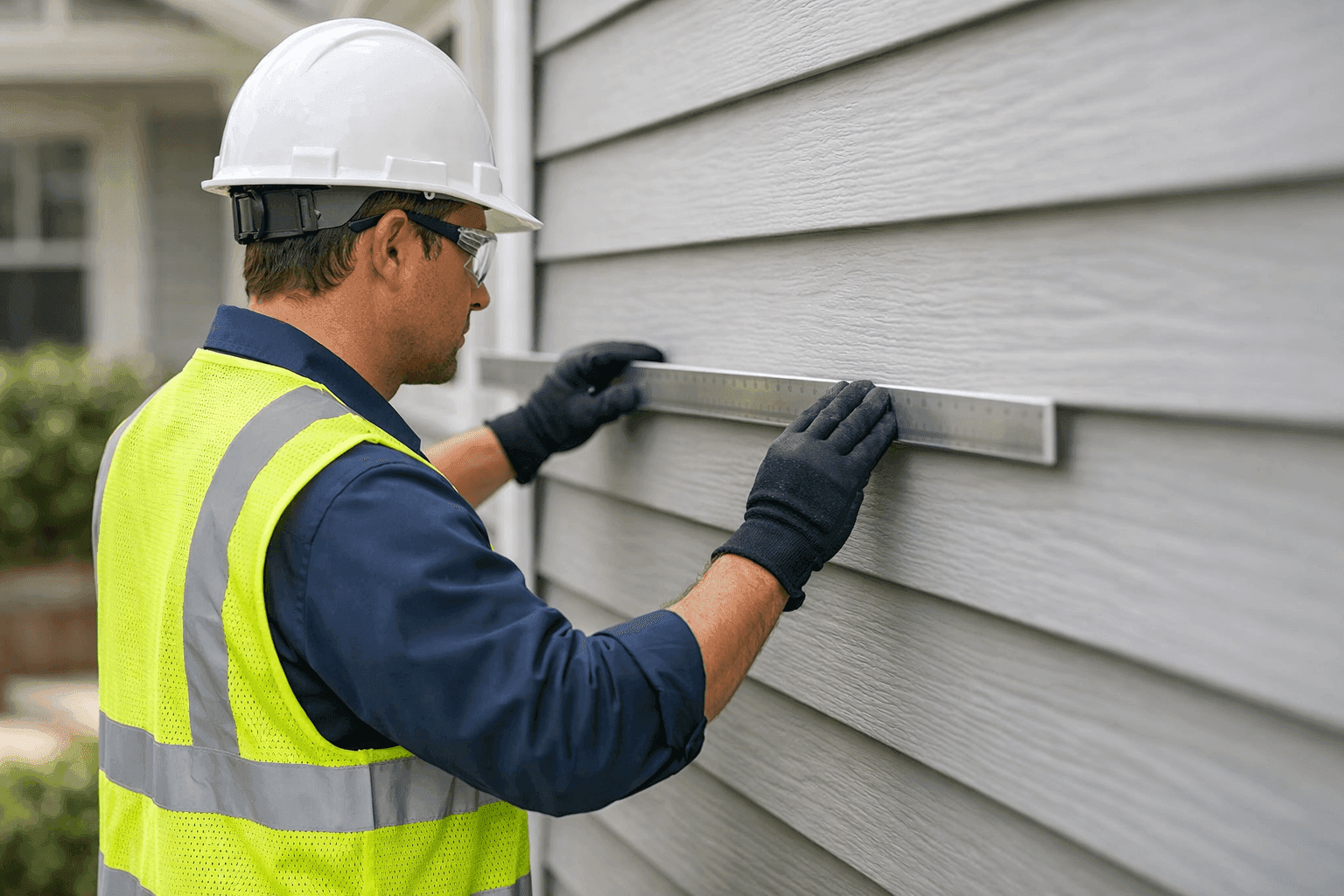
When you call in the pros, we don’t just eyeball your siding and call it a day. A thorough siding inspection means:
- Checking for loose, warped, or buckled panels
- Examining trim, flashing, and caulking for gaps or cracks
- Looking for signs of moisture under the siding (soft spots or mold)
- Assessing ventilation around soffits and behind panels
- Reviewing installation details (nailing, overlaps, and end gaps)
We also look for warning signs—like faded spots, strange noises during temperature swings, or panels that seem to “pop” out in the sun.
Siding Maintenance for a Smooth, Flat Finish
Keeping siding looking new isn’t just about cleaning. It’s about vigilance and routine TLC.
Maintenance steps:
- Clean your siding annually with a gentle hose and soft brush—no pressure washers that can force water behind panels.
- Inspect caulking and seals around windows, doors, and joints. Reapply as needed.
- Clear gutters and downspouts to prevent overflow and moisture buildup.
- Trim back shrubs and trees to reduce shade, which can trap moisture.
- Check for loose or missing nails and ensure panels move slightly when pressed (a sign they can expand).
Want to keep your siding in peak shape? Our siding maintenance packages are designed for just this kind of proactive care.
The Role of Siding Flashing Repair Near You
Flashing is the unsung hero of siding. Think of it as the umbrella over your doorway, quietly channeling water away from trouble spots.
When flashing fails:
- Water collects behind panels.
- Wood rot sets in.
- Mold and mildew start to grow.
- Siding warps or buckles as the substrate swells.
If you suspect flashing issues, don’t wait. Siding Flashing Repair near you can make the difference between a quick fix and a major renovation.
Siding Materials: Which Are Most Prone to Warping?
Not all siding is created equal. Here’s what we see in the field:
- Vinyl siding: Prone to heat warping if installed too tightly.
- Wood siding: Loves to soak up water; needs regular sealing.
- Fiber cement: Tough, but heavy—if not supported, can bow over time.
- Metal siding: Strong, but can dent and ripple if not anchored properly.
- Stucco: Less likely to warp, but cracks let water in, leading to hidden damage.
Always match your siding material to your climate, and consult with a pro before making the switch.
Warning Signs: Catching Warping Early 🕵️
A little detective work goes a long way. Look for:
- Bulges or waves in siding panels
- Gaps at joints or corners
- Strange creaking or popping sounds on hot days
- Discoloration, especially near the bottom of walls
- Dampness or musty smells inside
Spot these? It’s time for an inspection.
DIY vs. Calling in Professional Siding Help
Some fixes are a Saturday project. Others need a practiced hand.
DIY-friendly:
- Cleaning siding
- Re-caulking small gaps
- Replacing a single nailed panel (if you’re handy)
Call Kroll Siding when:
- Warping covers more than a few feet
- You notice mold or signs of moisture inside walls
- Flashing or trim is loose or missing
- Multiple panels are popping out or shifting
Our crews have seen it all. We follow the manufacturer’s specs and local building codes—your best shield against repeat problems.
How Weather and Seasons Affect Siding
Michigan’s freeze-thaw cycles, summer humidity, and wild storms can all take their toll. In spring, snowmelt can saturate the ground and sneak behind siding. Summer sun makes vinyl expand. Autumn leaves clog gutters, and winter’s ice dams block drainage.
Seasonal tip: Add siding checks to your spring and fall home routines. Prevention beats repair every time.
Emergency Siding Warping: When It’s Urgent
Sometimes warping isn’t just ugly—it’s urgent. If you see panels pulling away, water pouring behind siding during a storm, or signs of wood rot, call for emergency siding services. Quick action can prevent small issues from turning into structural headaches.
Siding Repair Options: What Pros Do On Arrival
When our team arrives to fix warped siding, here’s the process:
- Assessment: Pinpoint the cause—moisture, heat, or installation error.
- Remove damaged panels: Carefully detach affected sections.
- Inspect underlying structure: Check for rot, mold, or loose sheathing.
- Repair flashing, trim, or framing as needed.
- Reinstall or replace panels: Following manufacturer specs for spacing and nailing.
- Seal and caulk joints: To keep water and air out.
We’ll also give you maintenance tips to keep your investment looking sharp.
Timeline, Cost, and Disruption
Minor repairs—like a single warped panel—can often be handled in a few hours. Major fixes (involving moisture or flashing replacement) may take a day or more. Costs depend on materials, access, and the extent of damage. We’ll always provide a clear estimate before work begins.
Disruption is usually minimal—most repairs happen outside, and our crews keep the worksite tidy.
Preventing Siding Warping: Pro Tips for Homeowners
- Read the manufacturer’s instructions for your siding type.
- Schedule annual inspections—especially after big storms.
- Keep gutters clean and landscaping trimmed.
- Ventilate attics and wall cavities to reduce trapped heat and moisture.
- Act fast on any signs of damage. Waiting only makes things worse.
Frequently Asked Questions About Siding Warping
Can warped siding be straightened?
Sometimes, if caught early and the panel isn’t cracked. Otherwise, replacement is best.
Is warping covered by warranty?
It depends—most warranties require correct installation and regular maintenance. Save your paperwork!
How often should I inspect my siding?
Twice a year is smart—spring and fall are ideal.
Does siding warping always mean water damage?
Not always, but moisture is a common cause. Heat and installation errors can also be to blame.
Local Insight: Siding Repair in Your Area
Looking for trusted help with siding warping, buckling, or general siding repair? Homeowners searching for siding repair in McLean can visit our McLean siding services page for more information and local support.
The Takeaway: Keep Siding Straight, Strong, and Beautiful
Siding warping isn’t just a cosmetic issue—it can lead to water damage, energy loss, and expensive repairs. Stay vigilant, schedule regular siding inspections, and invest in professional siding maintenance before small ripples become big headaches.
Call Kroll Siding now — or reach us anytime at 888-892-6286 .