How to Protect Siding from Pests and Wildlife
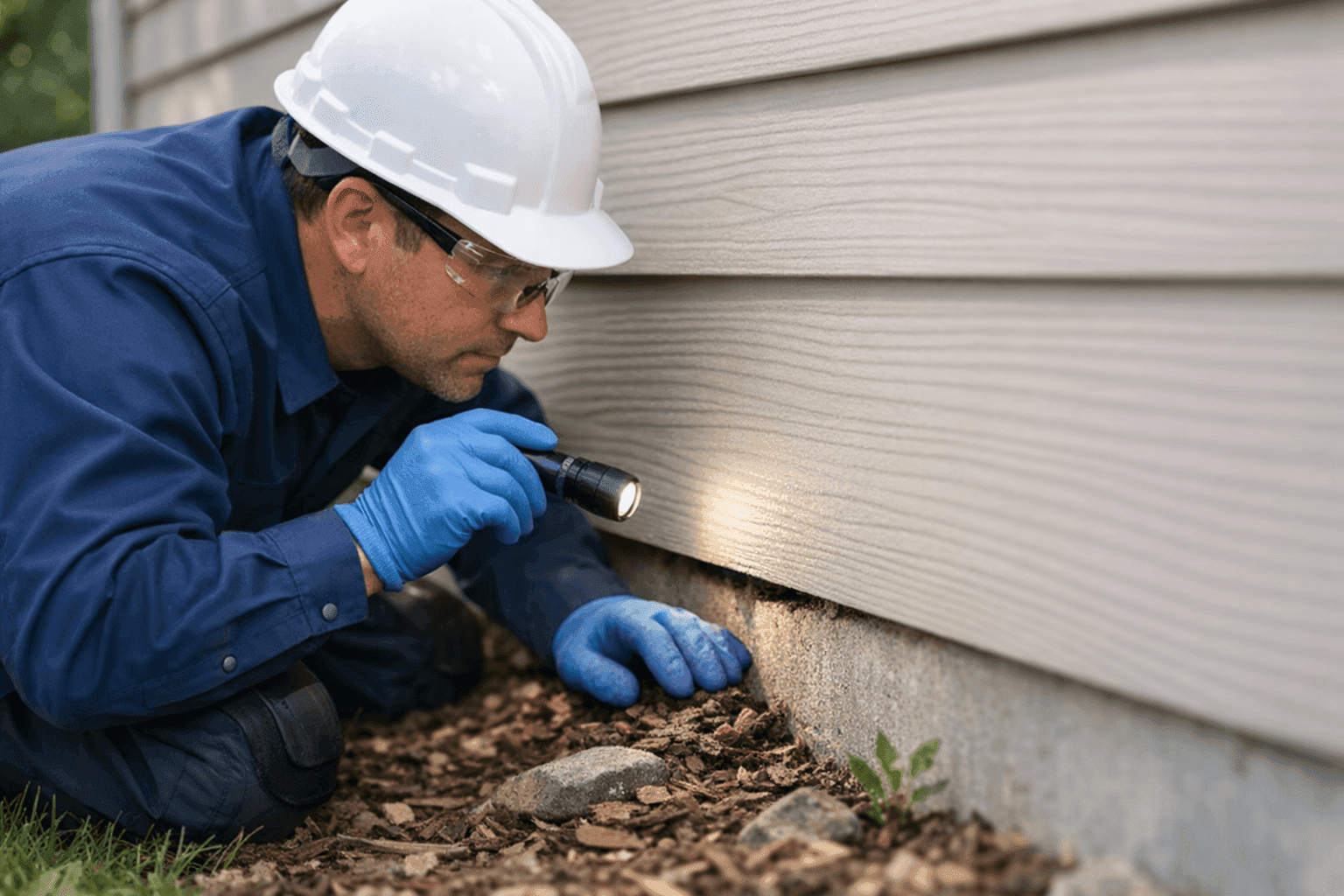
It starts small. Maybe you hear rustling in the walls, or you spot a few odd holes near your siding trim. Before you know it, pests have moved in—and they're not paying rent. At Kroll Siding, we know how quickly insects, birds, and wildlife can turn a beautiful home into their personal playground. Left unchecked, these visitors can cause more than a headache; they threaten your home's value and your family's comfort.
Protecting your siding isn’t just about curb appeal—it's about peace of mind. With decades of experience and a deep respect for your home, our team has seen what happens when pests get too cozy. Let's look at how to keep your siding strong, safe, and pest-free.
Pests That Target Siding
Not all critters are content to stay in the yard. Some see your siding as a welcome mat.
- Insects: Ants, termites, carpenter bees, and wasps love the tiny gaps between panels or around flashing. Termites especially can turn wood siding into dust.
- Birds: Woodpeckers drill holes in search of insects, while sparrows and starlings nest in soffits or gaps.
- Rodents: Mice and squirrels can chew through siding—vinyl, wood, even metal—to nest inside your walls.
Think of your siding like a castle wall. Cracks, gaps, and unsealed edges are open gates for these intruders.
Recognizing the Signs of Pest Damage
You don’t need to be a detective, but spotting the clues early is key.
- Small holes or chew marks on trim or panels
- Sawdust piles (from carpenter ants or bees)
- Mud tubes (a sign termites are on the move)
- Bird droppings or nesting materials near soffits or fascia
- Scratching or rustling sounds inside walls, especially at night
A regular siding inspection can catch these issues before they escalate.
How to Prevent Infestations 🦉
A few simple habits can make your siding less attractive to pests.
- Seal the Edges: Use high-quality caulk to close gaps around windows, doors, and utility openings.
- Repair Damage Promptly: Replace cracked or broken panels, and fix loose flashing or trim.
- Keep It Clean: Regular siding maintenance removes debris and mold that attract bugs and birds.
- Control Moisture: Gutters and downspouts should direct water away from siding. Damp wood is a pest magnet.
- Limit Landscaping Contact: Trim trees and shrubs so branches don’t touch the siding—these are pest highways.
The U.S. Department of Housing and Urban Development recommends regular inspection of exterior walls for gaps and deterioration as a best practice.
Flashing, Caulking, and the Details That Matter
Think of flashing and caulking as the armor that keeps your siding safe. Damaged or poorly installed flashing is a common entry point for insects and rodents. Make sure all seams, joints, and penetrations are sealed tight. If you’re uncertain, schedule a siding flashing repair near you to ensure everything fits snugly.
Siding Materials and Pest Resistance
Not all siding is created equal. Some materials naturally resist pests better than others.
- Vinyl: Insects can’t eat it, but gaps still let them in.
- Fiber Cement: Tough and unappetizing to bugs and birds.
- Metal: Hard for rodents to chew, but gaps and rust can invite trouble.
- Wood: Beautiful, but vulnerable to termites and carpenter bees if not sealed and maintained.
If you’re considering new siding or upgrades, ask about pest-resistant options during your next siding material consultation.
Safe Prevention Tips for Homeowners
You want to keep pests out—but you also want to keep your family safe. Skip harsh chemicals or dangerous traps. Focus on prevention:
- Use steel wool to fill small holes (rodents hate it)
- Install mesh screens behind vents and attic openings
- Store firewood and debris away from the house
- Clean gutters regularly to avoid water damage and nesting spots
When in doubt, follow EPA safety guidelines for pest control around the home.
Repairing Pest Damage
Spot damage? Don’t wait. Here’s what to do:
- Assess the Area: Look for signs of active pests. If you see droppings, nests, or live insects, address the infestation first.
- Remove Damaged Siding: Carefully take out compromised panels or trim.
- Check Underlying Structure: Pests often target insulation or sheathing. Repair or replace as needed.
- Install New Materials: Use pest-resistant siding and seal all edges.
- Repaint or Refinish: Protect exposed wood with paint or sealant.
Always wear gloves and a mask if you’re cleaning up after birds or rodents—droppings can carry disease.
Cost and Time Factors
How much will it cost to fix pest-damaged siding? That depends on the extent. Small repairs might take a few hours and a modest budget. Major infestations or structural damage require more time, skill, and investment. Timely maintenance will always be the less expensive option.
DIY or Call a Pro?
Some tasks are perfect for a confident homeowner—caulking a gap, cleaning gutters, trimming shrubs. But if you see widespread damage, signs of infestation, or suspect pests inside the walls, it’s time to call the professionals.
Siding repair and pest remediation can uncover hidden problems. A licensed contractor ensures the work is safe, thorough, and up to local building codes (see the International Residential Code for reference).
What Happens When a Pro Arrives
Here’s what you can expect from a siding professional:
- Careful inspection of siding, trim, and flashing
- Identification of pest entry points and damage
- Recommendations for targeted repair and prevention
- Safe removal and replacement of affected materials
- Advice on ongoing maintenance and pest-proofing
A reputable contractor will always prioritize safety—for your family and for themselves.
When It’s an Emergency
Some situations can’t wait:
- Sudden holes or gaps after a storm
- Active infestations inside living spaces
- Rapidly spreading damage
If you’re unsure, err on the side of caution. Emergency siding services are available for urgent repairs.
The Health Angle: Why It Matters
Pests don’t just damage siding—they can compromise your health. Rodents and birds can carry bacteria, viruses, and allergens. Insects like termites can weaken structural wood, increasing the risk of costly repairs and unsafe conditions. Protecting your siding is about protecting your family.
Common Mistakes to Avoid
- Ignoring small holes or cracks
- Covering up pest damage without removing the source
- Using DIY pesticides unsafely
- Letting vines or shrubs grow unchecked against siding
A little vigilance goes a long way.
Seasonal Considerations
Each season brings its own challenges:
- Spring/Summer: Insects swarm; birds nest
- Fall: Rodents seek warmth inside walls
- Winter: Weather can widen existing gaps, making entry easier
Plan inspections and maintenance around these cycles for the best results.
Siding Weatherproofing: Extra Protection
Weatherproofing isn’t just for storms. It also helps deter pests. Proper caulking, flashing, and painting seal up entry points. If you’ve had pest issues before, consider upgrading to materials designed for your climate and local wildlife.
Siding Inspections: Your First Line of Defense
Routine siding inspections spot little problems before they become big headaches. A professional eye can catch what you might miss—loose trim, failing caulk, or hidden nests. Schedule inspections regularly, especially if you’ve had issues in the past or live in an area with active wildlife.
Looking for reliable siding inspection or repair help? For top-rated siding services in Columbus, see our Columbus siding experts for more info.
Final Thoughts
A pest-free home starts with strong, well-maintained siding. Early action, safe prevention, and professional repairs keep your family comfortable and your investment protected. Whether you’re dealing with insects, birds, or something bigger, Kroll Siding is here to help—every step of the way.
Call Kroll Siding now — or reach us anytime at 888-892-6286 .