How to Repair Small Holes and Cracks in Your Siding
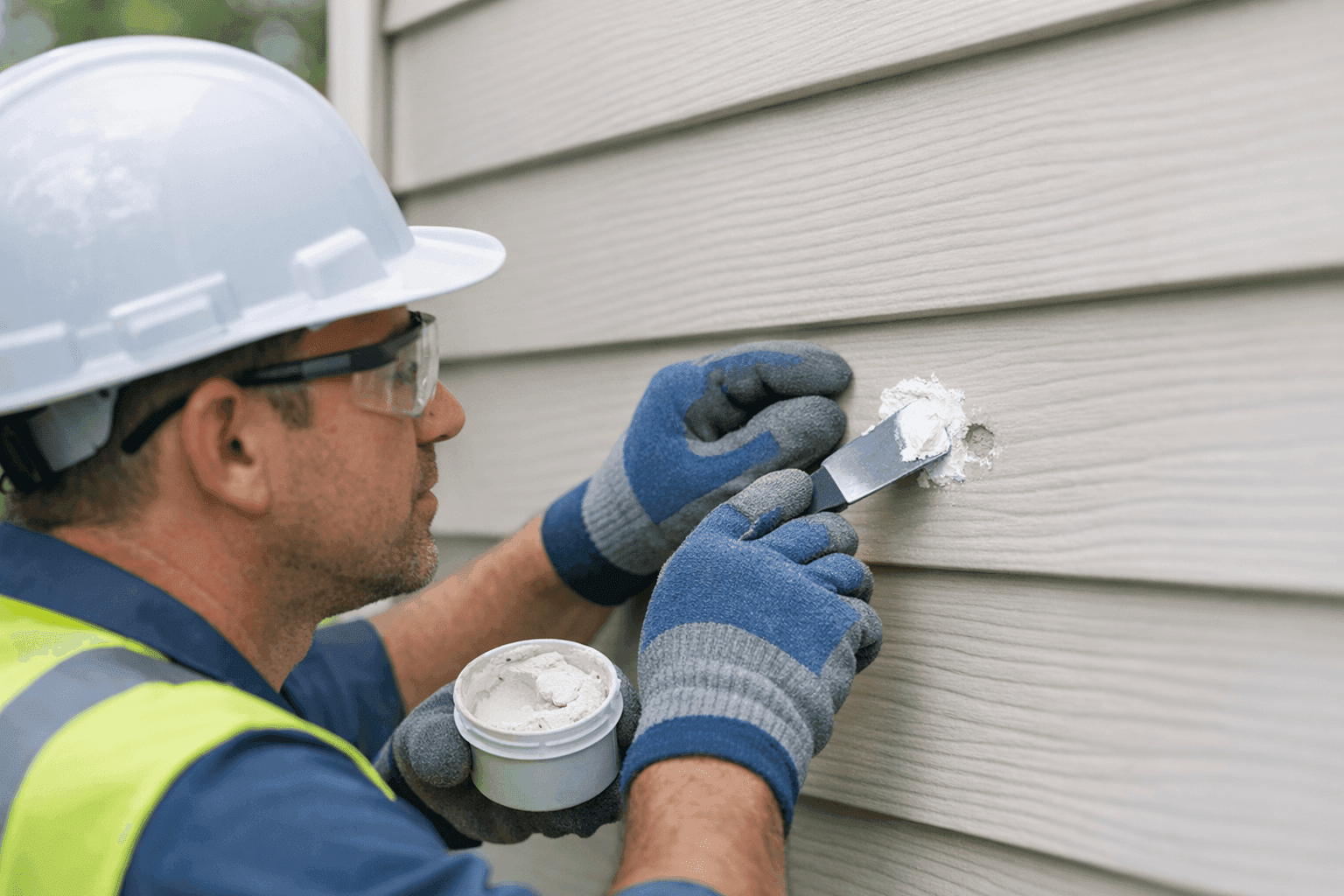
Is that tiny hole in your siding starting to nag at you? Or maybe a hairline crack has turned into an eyesore. We get it—life’s busy, and siding problems sneak up out of nowhere. At Kroll Siding, we help homeowners patch up the little stuff before it grows into big headaches.
Quick fixes can save money and give you peace of mind. But there’s a right (and wrong) way to tackle those small repairs. Let’s break down what you need to know, step by step.
Spotting the Small Stuff Before It Gets Worse 🧐
Ever notice a crack and wonder, “Is this a big deal?” Good news: most small holes and cracks are repairable if caught early. Ignoring them, though, is like leaving a window open in a storm. Water, bugs, and cold air sneak in, hiding behind your pretty exterior.
Common signs of minor siding damage:
- Tiny punctures (from hail, rocks, or errant baseballs)
- Hairline cracks
- Peeling or bubbling paint
- Slight warping or soft spots
If you spot any of these, don’t wait. Early action is key.
Safety First: Before You Grab the Ladder
A quick patch isn’t worth a trip to the ER. Before you start, review a safety checklist:
- Wear gloves and eye protection.
- Check your ladder’s footing—never balance it on soft ground.
- Watch out for nearby power lines.
- Have a helper if working above your head.
- Read all product labels and follow local safety codes (like those set by the International Residential Code).
Remember, some siding materials—especially older types—may hide hazards like asbestos. When in doubt, call a pro.
Materials Matter: What’s Your Siding Made Of?
Not all siding is created equal. The fix depends on the material. Here’s how to tell:
- Vinyl Siding: Light, flexible, and usually has overlapping slats.
- Wood Siding: Classic, warm, may show grain and knots.
- Fiber Cement: Feels dense and solid, often mimics wood grain.
- Metal Siding: Cool to touch, may dent instead of crack.
- Stucco: Hard, textured surface with a sandy feel.
Each type needs a slightly different fix. That’s why knowing your siding is step one.
Must-Have Tools for Small Siding Repairs 🛠️
Before you begin, gather these essentials:
- Utility knife
- Putty knife
- Sandpaper (medium and fine grit)
- Exterior caulk or patching compound
- Matching paint or finish
- Clean rags
- Sealant gun (for caulk)
- Replacement siding piece (for larger holes)
Pro tip: Use products rated for outdoor and siding use. Indoor caulks or spackles won’t last through the weather.
Step-by-Step: How to Patch Minor Holes and Cracks
Ready to get your hands dirty? Here’s a simple process for most small repairs:
1. Clean the Area
Dirt hides cracks and keeps patching compounds from sticking. Wipe the spot with a damp rag and let it dry. For stubborn stains, use mild soap.
2. Trim Loose Material
Use a utility knife to remove any jagged edges or flaking paint. Smooth the area so your patch has a flat surface to grip.
3. Fill the Gap
- Vinyl/Metal: Squeeze exterior caulk into the hole or crack. Overfill slightly.
- Wood: Use exterior wood filler or putty. Press firmly, then smooth with a putty knife.
- Fiber Cement/Stucco: Apply siding patch compound, feathering the edges.
Let the patch dry according to product instructions.
4. Sand Smooth
Once dry, sand the patched area lightly. Start with medium grit, finish with fine. Wipe away dust.
5. Seal and Paint
Apply a weatherproof sealant over the patch. Once that’s dry, paint to match the rest of your siding. For best results, use paints or stains approved for your siding type.
Special Tips for Siding Flashing Repair Near You
Tiny gaps around windows or doors? These are flashing issues. Water loves to sneak in here. Use flexible, paintable exterior caulk to seal joints and edges. If the flashing metal is bent or missing, it’s time for a professional siding repair.
When to Patch, When to Replace
Small holes—think less than the width of a pencil—are usually safe to DIY. But if you see:
- Cracks running more than a foot
- Rotting or mushy wood
- Multiple holes in one spot
- Mold or water stains inside your home
…it’s time for a bigger fix. Trying to patch widespread damage is like putting a Band-Aid on a leaky roof.
Common Mistakes to Avoid 🚫
- Using indoor caulk outdoors
- Skipping the cleaning step
- Painting before the patch dries
- Ignoring warped or bulging panels
Each of these can cause your repair to fail—and invite bigger problems down the road.
Emergency? Here’s What to Do
Storm just rolled through and now there’s a hole where your siding used to be? First, cover the spot with heavy-duty plastic and tape to keep water out. Then, call for emergency siding services. Quick action can prevent costly repairs later.
How Pros Tackle Siding Repairs
When Kroll Siding arrives, we don’t just slap on a patch. We inspect the area, check for hidden water damage, and use professional-grade materials. Sometimes, what looks like a tiny crack is a symptom of a bigger issue underneath.
We follow the International Building Code and manufacturer guidelines to keep your home protected.
Seasonal Siding Smarts
- Spring: Inspect after winter freeze/thaw cycles.
- Summer: Watch for UV fading and expansion cracks.
- Fall: Prep for winter by sealing gaps.
- Winter: Clear snow and ice away—don’t let moisture sit on damaged spots.
Regular siding inspection is a smart move for lasting curb appeal and protection.
Siding Maintenance = Fewer Repairs
Want fewer surprises? Add these to your home care routine:
- Clean siding annually with gentle soap and water.
- Trim plants and shrubs away from walls.
- Check caulk lines and repaint as needed.
- Schedule a professional inspection every 2-3 years, especially if your home is over 15 years old.
Frequently Asked Siding Repair Questions
How soon should I repair a small hole or crack?
As soon as you notice it! Small problems grow fast if water, bugs, or cold get in.
Can I use regular caulk on siding?
Only use caulk labeled for exterior siding or windows. Indoor caulk won’t last.
Is patching a permanent fix?
For very minor damage, yes. But widespread issues or recurring cracks mean there’s a deeper problem.
Will my siding color match after a patch?
Use leftover paint, or get a color-matched sample from your local hardware store. Fading may mean a perfect match is tough—but it’ll blend better than an unpatched hole.
Know When to Call Kroll Siding
There’s no shame in calling for backup. If you’re unsure about your siding material, have tricky damage, or just want it done right, we’re here for you. We handle everything from Siding Flashing Repair near you to custom siding solutions for your unique home. If you’re in Nashua and searching for thorough siding inspection or repair, our team is ready to help.
Call Kroll Siding now — or reach us anytime at 888-892-6286 .