How to Safely Remove Mold and Mildew from Siding
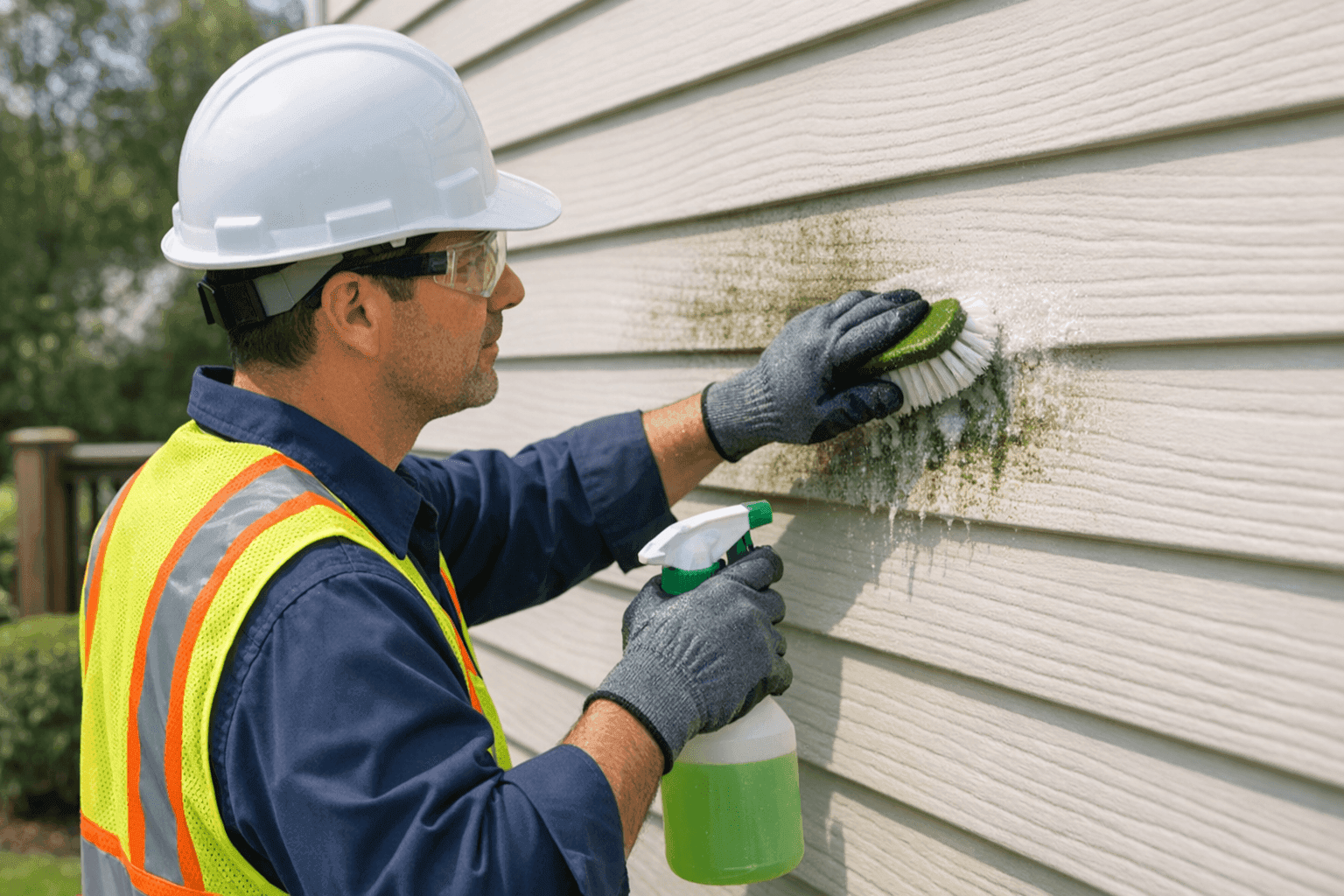
Mold and mildew on your home’s siding aren’t just ugly—they can eat away at your peace of mind. The greenish stains creep in like unwanted guests after a rainy week, threatening both curb appeal and your family’s health.
At Kroll Siding, we know how fast a small patch can become a big problem. Let’s talk about what makes siding vulnerable, how to clean it safely, and how to stop mold in its tracks.
Why Mold Grows on Siding 🌱
Mold is a survivor. It loves damp, shady spots—think of it like moss finding a cozy home in the forest. Siding, especially in humid or rainy climates, can become prime real estate for mold and mildew when:
- There’s poor drainage around downspouts and gutters
- Trees or shrubs trap moisture against the siding
- Airflow is blocked, so siding never fully dries
- Leaks or damaged flashing let water sneak in
Mold growth isn’t just an eyesore. According to the U.S. Environmental Protection Agency (EPA), mold exposure can cause respiratory issues, especially for children, seniors, or those with allergies. That’s why it’s so important to catch problems early and clean them up the right way.
Quick Safety Checklist Before You Start
Before you grab a brush, make sure you’re ready:
- Wear gloves, goggles, and a mask. Mold spores are tiny and can irritate your lungs and skin.
- Check for lead paint. Homes built before 1978 may have lead-based paint—disturbing it can be dangerous. If you’re unsure, consult an EPA-certified professional.
- Test cleaners on a small spot. Some products can discolor siding, especially on older homes or painted surfaces.
- Read product labels. Never mix bleach with ammonia or other chemicals; this creates toxic fumes.
- Keep children and pets away. Set up a safe work zone.
Signs Mold and Mildew Are Taking Over
Not sure if you’re dealing with dirt or something more stubborn? Watch for:
- Green, black, or brown patches that keep coming back
- Slimy or powdery texture
- Musty odor near affected areas
- Peeling paint or warped siding panels
If you spot these symptoms, it’s time for action.
Safe Cleaning Solutions for Every Siding Type
Each siding material has its own personality—and its own cleaning needs. Here’s how to treat them right:
Vinyl Siding
- Mix: 1 part white vinegar or oxygen bleach (not chlorine bleach) in 3 parts water.
- Tools: Soft brush or sponge—avoid anything abrasive.
- Method: Work from the bottom up in small sections, rinsing as you go.
- Tip: Pressure washers are tempting, but use a low setting and keep the nozzle moving to avoid damage.
Fiber Cement Siding
- Mix: Mild dish soap and water, or a specialized fiber cement cleaner.
- Tools: Soft cloth or soft-bristled brush.
- Method: Gently scrub, rinsing thoroughly. Never use harsh chemicals or high-pressure washing.
Wood Siding
- Mix: Oxygen bleach and water for mold; never use straight bleach, which can harm wood.
- Tools: Soft brush.
- Method: Test in a small, hidden spot first. Rinse well and let dry completely.
- Bonus: After cleaning, consider a fresh coat of paint or sealant for added protection.
Metal and Stucco Siding
- Mix: Water and a small amount of non-abrasive cleaner.
- Tools: Soft brush or microfiber cloth.
- Method: Scrub lightly to avoid scratching. Rinse off all residue.
Always read the manufacturer’s care instructions, if available. When in doubt, call a siding professional.
When to Call a Pro
Sometimes, mold is stubborn or signals bigger issues. Contact a professional if:
- Mold keeps returning, even after cleaning
- Siding is soft, warped, or crumbling
- You notice leaks, rotted wood, or structural damage
- The affected area is larger than 10 square feet (EPA guidance)
Pros have access to specialized cleaners, safety gear, and can spot hidden moisture problems—like failed flashing or insulation—that might be fueling the mold.
If you need help with Siding Flashing Repair near you or full siding-cleaning services, don’t wait for things to get worse.
Health Considerations: Protect Your Family
Mold isn’t just a cosmetic issue. According to the Centers for Disease Control and Prevention (CDC), breathing in mold spores can trigger asthma attacks, allergies, and other respiratory issues. Always use protective gear and never ignore lingering musty smells inside the home—they could signal a hidden problem behind the siding.
Common Mistakes to Avoid
- Using harsh chemicals like undiluted bleach, which can strip color or damage siding.
- Scrubbing too hard, which can leave scratches or force water behind the panels.
- Ignoring gutters and downspouts, allowing water to pool and feed mold colonies.
- Skipping regular inspections, making it easy for problems to sneak up.
Timeline & Disruption: How Long Does It Take?
Most DIY cleaning jobs can be finished in a day—if the weather cooperates. For larger areas, or if multiple siding types are involved, it might take a weekend. Professional cleaning is usually quick and minimally disruptive, with most jobs done in a few hours.
Siding Cleaning Products We Recommend
- Simple Green® House and Siding Cleaner: Biodegradable and safe for most surfaces.
- OxiClean™ Versatile Stain Remover: Effective for organic stains on vinyl and wood.
- White vinegar: A natural, gentle mold fighter.
Always store cleaning products out of reach of children and follow manufacturer guidelines.
DIY vs. Professional Siding Cleaning
Doing it yourself can save money, but only if you follow safety best practices. For hard-to-reach areas, stubborn mold, or if you notice damage, a professional brings knowledge—and the right tools—to keep your siding in shape without risking your health or home.
Explore our siding-maintenance options if you want year-round peace of mind.
When It’s an Emergency
If you spot large black patches spreading fast, notice a strong musty smell indoors, or see water stains inside your home, act immediately. Water intrusion can cause structural damage and black mold, which is a serious health risk. Emergency siding services may be needed to protect your home.
Frequently Asked Questions
Will pressure washing remove mold?
Yes, but only on certain siding types—and only at the right setting. Too much pressure can force water behind panels, making things worse.
How often should I clean my siding?
Once a year is a good rule of thumb, but shady or damp areas may need more frequent attention.
Is mold on siding a sign of a bigger problem?
Sometimes. Mold often points to moisture issues, like faulty gutters or poor ventilation.
Seasonal Considerations
Spring and fall are the best times to clean siding—before mold has a chance to dig in or after a wet season has left its mark. Check for trouble spots after heavy storms, and keep an eye on shaded areas year-round.
Prevention Is the Best Medicine 🌤
You can’t control the weather, but you can make things less inviting for mold and mildew:
- Trim trees and shrubs to let sunlight reach your siding.
- Fix gutters and downspouts to keep water away from your home.
- Inspect caulk and flashing for cracks or gaps.
- Schedule annual siding inspections to catch issues early.
For more tips or to learn about siding maintenance in your area, see our Huntington siding page for high-value solutions that last.
Ready for a Fresh Start?
Mold and mildew don’t have to win. With the right approach—and a little help from Kroll Siding—your home’s exterior can stay clean, healthy, and welcoming all year.
Call Kroll Siding now — or reach us anytime at 888-892-6286 .