How to Tell If Your Gutters Need Repair
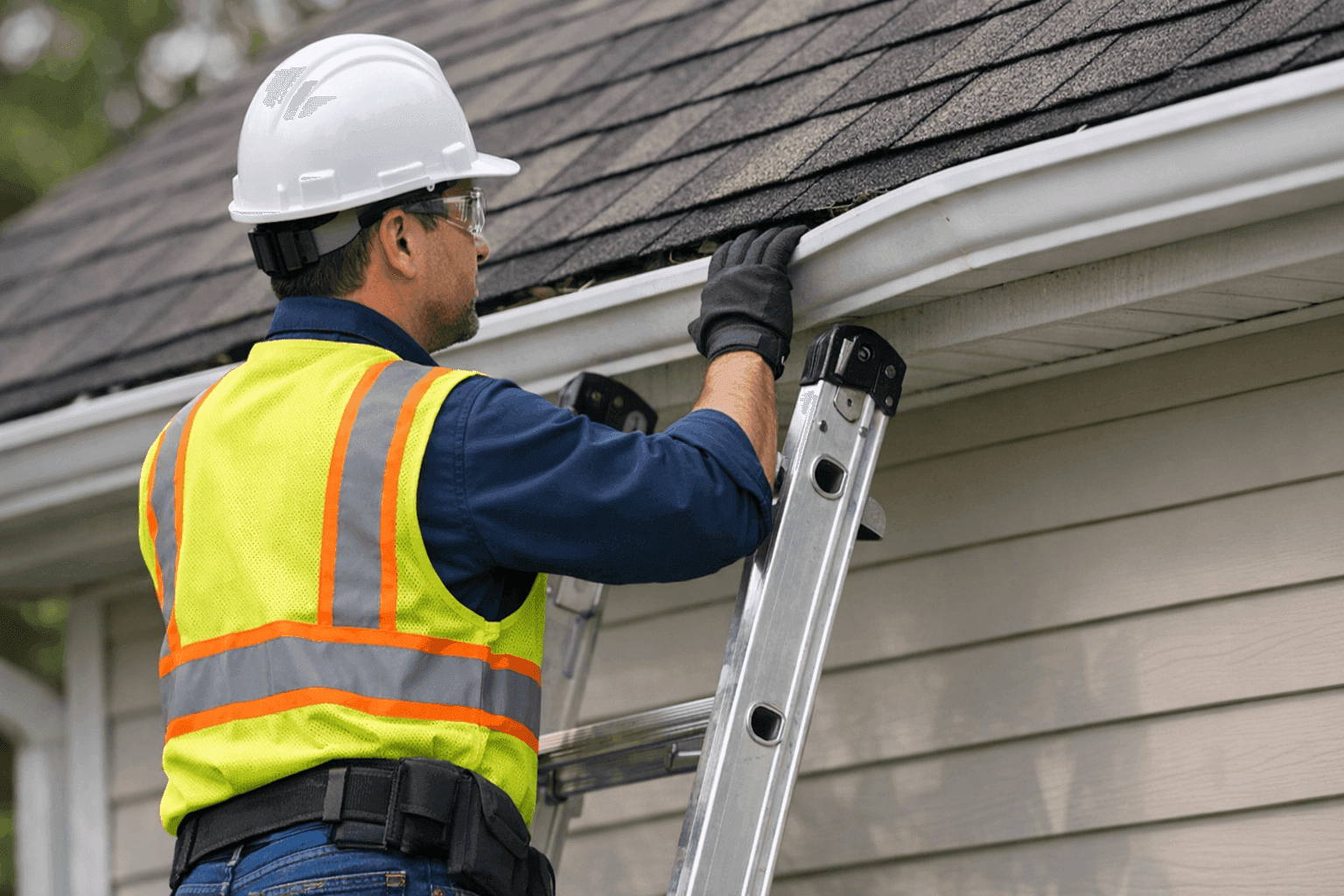
When your gutters start acting up, your home sends signals like a ship warning of leaks before a storm. Some signs are loud and clear—a waterfall over the edge, water stains on siding. Others are subtle, like a quiet drip, or mold silently creeping behind trim. At Kroll Siding, we’ve seen how small problems spiral if ignored.
Gutter issues never wait for a convenient time. Left unchecked, they can damage not only your gutters, but also your home’s siding, foundation, and everything in between. Acting early saves money, stress, and keeps your curb appeal sharp.
Common Gutter Problems: What to Watch For 🕵️
Every homeowner should know the red flags. Gutters are more than metal troughs—they’re your home’s raincoat. When they fail, water finds the path of least resistance, often straight into your walls or foundation.
Visible warning signs:
- Sagging gutters: Sections bend or pull away from the roofline.
- Leaks: Drips at seams, corners, or end caps—even small ones.
- Overflow: Water spills over the edge during rain, hinting at blockages.
- Rust or orange streaks: Especially on metal gutters, an early sign of corrosion.
- Cracking, peeling, or bubbling paint on siding or trim near the gutters.
Hidden clues:
- Water stains or streaks on siding beneath gutters.
- Mold or mildew on soffits, fascia, or siding.
- Puddles or eroded soil directly below roof edges.
- Peeling caulk or gaps between gutters and fascia.
Trust your instincts. If something looks off, it probably is. Regular siding flashing repair near you can catch these issues before they snowball.
The Real Risks of Ignoring Gutter Repairs
A sagging gutter isn’t just an eyesore. It’s a silent invitation for disaster. Water that doesn’t flow away from your home can:
- Rot your fascia and roof deck.
- Warp or stain siding, especially wood, fiber cement, and stucco.
- Soak insulation, causing mold and higher energy bills.
- Undermine your foundation, leading to cracks or basement leaks.
- Ruin landscaping or create icy patches in winter.
According to the International Association of Certified Home Inspectors (InterNACHI), clogged or damaged gutters are a leading cause of exterior water intrusion.
DIY Checks vs. Professional Repair: Knowing Your Limits 🛠️
You don’t need to be a contractor to spot trouble. Here’s what you can do safely:
DIY inspection tips:
- After rain, walk around your home and check for drips, overflow, or puddles.
- Look for sagging gutters from ground level.
- Check for peeling paint or water stains near roof edges.
- Use binoculars if you’re not comfortable with ladders.
Warning: Climbing ladders or walking on roofs is risky. Falls are a leading cause of homeowner injuries—don’t take chances. Major repairs, high gutters, or anything involving electrical lines should always be left to professionals.
When in doubt, call for a siding and gutter inspection in Leominster to catch problems early.
What Pros Do on Arrival
When Kroll Siding arrives, we see the big picture. Our team inspects not just the gutters, but the entire drainage system, including:
- Gutter hangers and fasteners
- Downspouts and elbows
- Siding, soffit, and fascia around the gutter line
- Signs of water pooling or foundation distress
We’ll check for proper slope (at least 1/4 inch per 10 feet, as recommended by the National Association of Home Builders) so water doesn’t sit and stagnate. Our goal: not just to patch, but to solve the root cause.
Protecting Your Siding and Foundations
Gutters and siding are partners in defense. When gutters break down, siding takes the hit. Water overflowing behind gutters soaks into boards and insulation, leading to warped trim, peeling paint, and sometimes inviting pests.
Gutter health means:
- Less risk of wood rot and mold behind siding
- No unsightly water streaks or stains
- Preserved insulation and lower energy bills
- Stronger, longer-lasting siding—whether vinyl, wood, or fiber cement
A small repair now prevents big, expensive jobs later.
Sagging Gutters: More Than a Cosmetic Issue
Think of sagging gutters as a drooping umbrella. They can’t do their job. Most sagging is caused by loose fasteners, rotted fascia, or heavy debris weighing things down.
Quick check: If you can see gaps between the gutter and roofline, or if water flows behind instead of into the gutter, you likely need gutter repair.
Leaks and Drips: Silent Trouble Makers 💧
Even a tiny drip can lead to rot and mold. Leaks commonly start at seams, corners, or where downspouts connect. Over time, water seeps behind siding, softening boards and encouraging mold growth.
Tip: During rain, grab an umbrella and check your gutters for drips. Water should only exit through downspouts—nowhere else.
Overflow and Blockages: When Gutters Can’t Keep Up
Overflow is usually caused by clogs—leaves, twigs, even bird nests. If water is spilling over during rain, it’s time for cleaning or repair.
DIY tip: Clean gutters at least twice a year, more if you have overhanging trees. Wear gloves, use a sturdy ladder, and never lean out past your hips.
Water Stains and Mold: Signs of Hidden Damage
Those black streaks on siding? They’re more than ugly. Stains and mold signal water is sneaking behind your gutters or siding. Sometimes you’ll spot mushrooms or moss along the foundation—nature’s way of waving a red flag.
Storm Damage and Emergency Repairs
High winds, hail, and ice can rip gutters loose or crack seams overnight. If you spot a section hanging or broken after a storm, don’t wait—call for emergency siding or gutter repair services.
Siding Flashing: Your Hidden Defender
Flashing is the unsung hero protecting your home’s edges. When gutters fail, flashing is the last line of defense against water intrusion at roof-to-siding joints. Damaged or missing flashing can let water seep into the very bones of your home.
If you suspect trouble, ask for Siding Flashing Repair near you to keep your home sealed tight.
Gutter Material Matters: Vinyl, Metal, and More
Some gutter materials age differently. Metal gutters can rust, especially if paint chips or they’re exposed to salty air. Vinyl may crack in cold weather, while seamless aluminum resists many common issues but can still pull loose or dent.
Choose materials that match your climate and your siding—ask for a siding material consultation if you’re unsure.
Seasonal Checks: When to Inspect and Clean
Fall and spring are the best times for a thorough gutter check. After leaves drop and before snow or heavy rains, make sure your gutters are clear and fastened. Schedule professional gutter installation if your old system just can’t keep up.
Don’t Overlook Downspouts and Extensions
It’s not just the horizontal gutters. Downspouts need to flow away from your foundation, at least 4–6 feet. Blockages here can cause water to back up and overflow at roofline or pool near your basement.
Maintenance and Prevention: Simple Steps, Big Results 🧰
- Clean gutters twice a year, more if trees are nearby.
- Check fasteners and brackets for rust or looseness.
- Touch up paint or sealant on metal gutters.
- Make sure downspouts extend far enough from your foundation.
- Inspect after every major storm.
Even small preventive steps can save thousands in siding and foundation repairs.
Costs, Disruption, and What to Expect
Gutter repairs are often quick—most jobs take a few hours. More serious issues (replacing whole sections, fixing rotten fascia, repairing siding) may take a day or two. The longer you wait, the bigger the job—and the bill.
When to Call It an Emergency
If your gutters are hanging loose, water is pouring into your basement, or you see siding warping after a heavy rain, it’s time for emergency repair. Don’t risk safety or structural damage by waiting.
FAQs: Gutter and Siding Health
Q: Can clogged gutters really damage my siding?
A: Absolutely. Overflowing water runs down the wall, soaking siding, insulation, and even the foundation.
Q: How often should I inspect my gutters?
A: At least twice a year—more if you have lots of trees or get heavy storms.
Q: What’s the best gutter material for my home?
A: It depends on your climate, roofline, and siding. Aluminum is popular, but ask for a siding material consultation for expert guidance.
Q: My gutters look fine, but I have water stains on my siding. What now?
A: Hidden leaks or misaligned gutters could be the culprit. Schedule a professional inspection to track down the issue.
Final Thoughts: Protect Your Investment
Your gutters and siding are a team. When one fails, the other suffers. Stay vigilant, act early, and don’t risk your home’s health by ignoring small problems.
Call Kroll Siding now — or reach us anytime at 888-892-6286 .