How to Tell If Your Siding Needs Repair
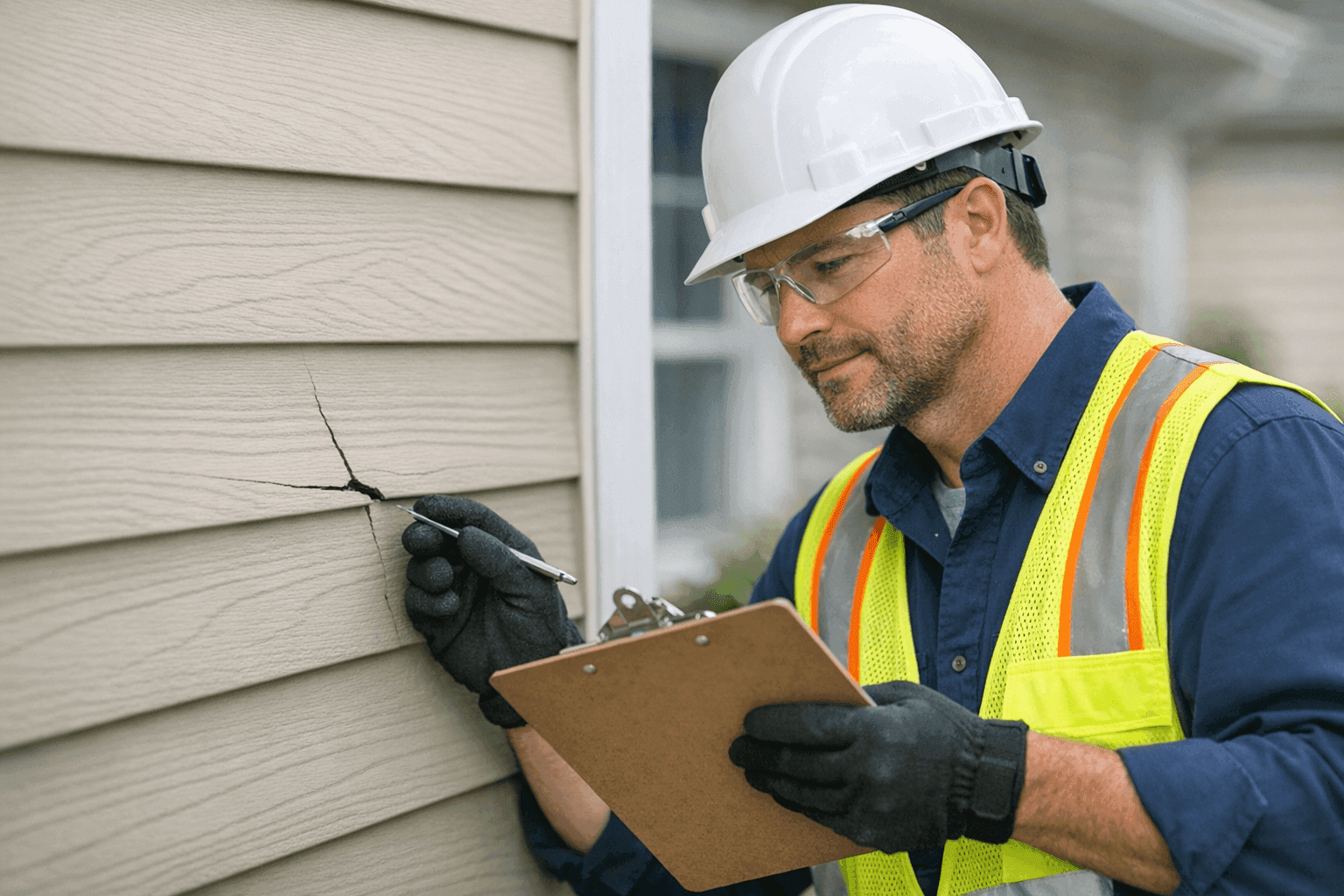
Is your house whispering for help? Sometimes siding issues start as a faint creak or a barely-there crack, but they can snowball fast. At Kroll Siding, we know that your home’s exterior is its first line of defense—and the first thing neighbors notice. When siding fails, it’s not just curb appeal on the line. Your comfort, safety, and wallet are at risk, too.
Knowing when to act can save you from bigger headaches down the road. Let’s walk through the signs, the risks, and what to expect if your siding needs some TLC.
Visual and Hidden Damage: What to Look For 👀
Think of your siding like a coat of armor. Cracks, warping, and loose panels are like chinks in that armor—inviting water, pests, and drafts inside. Here’s what to check for on a sunny afternoon walk around your house:
- Warping or Bulging: Boards that bow or bubble may mean water is trapped underneath.
- Cracks and Breaks: Even small splits can let in moisture (and trouble).
- Loose or Missing Pieces: Wind, hail, or age can pull siding loose—don’t ignore it.
- Faded Colors or Stains: Discoloration can signal water damage or mold growth.
- Mold, Mildew, or Rot: Green fuzz or soft spots? Not good. Mold thrives where water sneaks in.
- Peeling Paint Inside: Sometimes, interior walls tell the tale—trapped moisture can cause paint to blister indoors.
Not all damage shouts for attention. Some issues hide beneath the surface, like insulation that’s lost its punch or caulking that’s quietly crumbled away. If you spot even one of these red flags, it’s time to take a closer look.
The Risks of Delayed Repair
A little crack can open the floodgates. Delaying siding repair is like ignoring a slow leak—eventually, the problem gets bigger (and pricier).
- Water Intrusion: Water seeps behind damaged panels, leading to rot, mold, and even structural damage. The U.S. Department of Housing and Urban Development warns that unchecked moisture is a leading cause of home decay.
- Pest Invasion: Loose boards are an open invitation to termites, ants, and rodents.
- Rising Utility Bills: Damaged siding can let drafts in, making your HVAC system work overtime.
- Decreased Home Value: First impressions matter. Damaged siding can drag down curb appeal and resale value.
It’s not just about looks—it’s about protecting everything (and everyone) inside.
When It’s Time to Act: Recognizing Emergencies
Some siding issues are urgent. If you see these signs, don’t wait:
- Storm Damage: After severe weather, look for panels ripped off, dents, or cracks. Fast action can prevent bigger problems.
- Sudden Increases in Energy Bills: If your heating or cooling costs spike unexpectedly, siding could be the culprit.
- Visible Water Damage Indoors: Stains, peeling paint, or musty smells mean water is making it past your defenses.
- Obvious Holes or Missing Sections: Exposed walls mean your home is vulnerable.
If you’re ever unsure, it’s better to call for a siding inspection than risk a small problem turning into a big one.
Quick Safety Checklist Before You Inspect
Before you start poking around, safety comes first:
- Wear gloves to avoid splinters or sharp edges.
- Use a sturdy ladder if you’re checking higher areas.
- Avoid getting on the roof unless you’re trained and equipped.
- Watch for bees, wasps, or rodents nesting behind loose panels.
If you feel uneasy or spot something dangerous—step back. That’s a job for the pros.
DIY vs. Professional Assessment: What’s Really Needed?
It’s tempting to grab a hammer and try a quick fix. But siding issues can be complex, and sometimes what looks easy on the surface hides bigger trouble underneath.
- DIY: Good for minor cleaning, removing surface mold, or tightening a loose nail.
- Professional Assessment: Needed if you see large cracks, evidence of water intrusion, persistent mold, or anything structural.
Licensed professionals (like the team at Kroll Siding) know how to spot hidden problems, recommend the right materials, and work according to International Residential Code (IRC) safety standards. We also bring the right tools for specialized materials, from fiber cement to metal siding.
Real Homeowner Scenarios: What Can Go Wrong?
Picture this: A Cincinnati homeowner noticed a small gap in the siding after a winter storm. They thought it was “no big deal.” By spring, rain had seeped in, causing mold in the insulation and damage to the interior drywall. The repair bill? Several times higher than if they’d acted early.
Another client caught a soft, warped patch near their back door. Kroll Siding’s inspection found a slow leak behind the wall. Fast action meant only a single board needed replacing. Their story is a reminder: Early detection saves stress, time, and money.
For those in the area, check out our Cincinnati siding repair solutions for help with anything from emergency fixes to routine maintenance.
The Siding Repair Process: What to Expect
Wondering what happens when you call in the pros? Here’s a breakdown:
- Assessment: A trained technician reviews the outside (and inside, if needed), looking for visible and hidden problems.
- Estimate: You’ll get a clear, written estimate of the repair scope and costs.
- Material Matching: We identify the right siding materials, colors, and finishes—so repairs blend in, not stand out.
- Repair Work: Damaged sections are removed, replaced, and sealed. We check flashing, caulking, and weatherproofing.
- Final Inspection: The area is reviewed again for completeness and safety.
- Cleanup: No debris left behind—your home looks as good as new.
For most repairs, you can stay home. Disruption is minimal and we work swiftly, respecting your space.
Siding Flashing Repair Near You: Why It Matters
Flashing is the unsung hero of siding systems. These thin strips of metal or vinyl direct water away from vulnerable spots—like windows, doors, and roof lines. Damaged or missing flashing is a leading cause of leaks, according to the National Association of Home Builders.
If you notice rust, gaps, or water stains near flashing, call for inspection right away. Quick repairs here can prevent much bigger problems.
Siding Maintenance: Prevention Is Cheaper Than Repair
A little care goes a long way. Here are a few simple steps to keep your siding in top shape:
- Wash siding once or twice a year to remove dirt and prevent mold.
- Trim back shrubs and trees to avoid scratches and moisture buildup.
- Check caulking and seals every season—replace if cracked or missing.
- After storms, do a quick walk around to catch new damage early.
Regular maintenance keeps your siding strong and your home protected.
Siding Material Matters: Not All Repairs Are Equal
Vinyl, fiber cement, wood, metal, stucco—each material has its quirks. Vinyl may crack in extreme cold. Wood needs extra vigilance for rot and insects. Metal resists many pests but can dent. Fiber cement stands up to fire and weather, but takes special tools for repair.
A siding repair specialist can help you choose the right solutions for your home’s unique needs and climate.
Siding and Your Energy Bills: The Hidden Connection
Drafts sneaking in? Walls chilly in winter or hot in summer? Damaged siding and poor insulation are often to blame. The U.S. Department of Energy notes that well-maintained siding—paired with proper insulation—can significantly cut energy costs.
If you’ve noticed rising bills, don’t just blame your furnace or AC. A siding checkup might reveal the real culprit.
Seasonal Considerations: When Is Best for Siding Repair?
While emergency repairs can happen anytime, spring and fall are prime seasons for routine siding work. Temperatures are moderate, and it’s easier to spot issues after winter or summer storms. Planning ahead also helps avoid the rush during peak repair season.
Common Mistakes Homeowners Make
- Ignoring small cracks or gaps, thinking they’re “just cosmetic.”
- Using the wrong type of caulk or paint for siding repairs.
- Pressing loose boards back in place without addressing the underlying problem.
- Delaying inspection after storms.
Even the handiest homeowners can miss hidden issues. When in doubt, schedule a professional review.
Siding Repair FAQs
How often should siding be inspected?
At least once a year, plus after any major storms.
Can I paint over cracked siding?
Paint hides the crack but won’t fix the problem. Address the damage first.
What if only one side of my house is damaged?
Partial repairs are possible. Matching materials and color is key for a seamless look.
Is siding repair noisy or disruptive?
Most jobs are quick and cause little disruption. We’ll let you know what to expect for your specific repair.
When to Call for Emergency Siding Services
Don’t wait if you spot:
- Large holes exposing the wall
- Panels ripped off in a storm
- Water pouring inside during rain
- Sudden, unexplained drafts
Fast action helps prevent further damage and keeps your home secure.
Final Thoughts: Don’t Wait for Small Problems to Grow
Your home’s siding is more than just a pretty face—it’s a barrier, an insulator, and a shield against the elements. Regular checks and timely repairs keep your space safe, comfortable, and looking its best.
Notice something off? Don’t stress alone. Call Kroll Siding now — or reach us anytime at 888-892-6286 .