Metal Siding Installation: A Modern Homeowner’s Guide
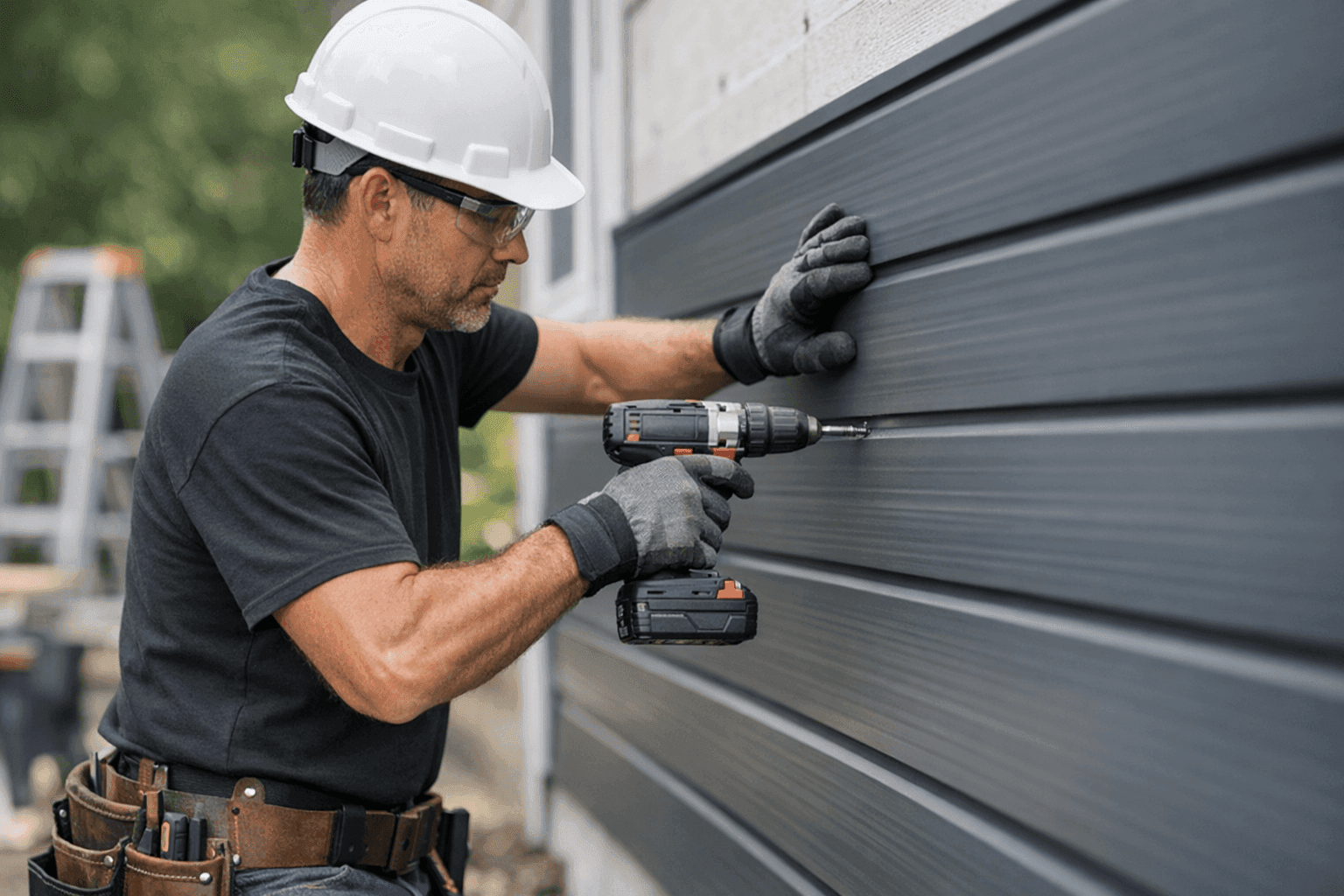
Metal siding is more than just a trend—it's a practical, stylish upgrade for today’s homes. If you’re weighing the options for a durable, weather-resistant exterior, metal siding might be staring you right in the face. But making the leap comes with questions and, often, a little worry. Is it really worth it? Will it last? What about rust?
At Kroll Siding, we’ve helped thousands of homeowners answer those questions. Our team has seen firsthand how the right choices—at installation and beyond—can lead to years of curb appeal and peace of mind.
Why Choose Metal Siding? 🏡
Imagine armor for your house. Metal siding stands up to wind, rain, hail, and even wildfire embers far better than most other materials. It’s not just about brute strength, though. Here’s why so many homeowners are going metal:
- Corrosion Resistance: Modern coatings protect against rust and fading.
- Low Maintenance: Wash it down with a hose. Forget about repainting every few years.
- Pest-Proof: Termites and carpenter ants look elsewhere.
- Eco-Friendly Options: Many products use recycled steel or aluminum.
- Design Flexibility: From sleek modern panels to classic lap, there’s a style for every taste.
The right metal siding can also increase your home’s value, especially when installed by professionals who follow International Building Code (IBC) and manufacturer guidelines.
The Different Types of Metal Siding
Not all metal siding wears the same suit. Here are the main types you’ll find on the market:
- Steel Siding: Heavy-duty, ideal for harsh climates. Galvanized or coated for rust resistance.
- Aluminum Siding: Lightweight, naturally rustproof, and good for humid or coastal areas.
- Corrugated Panels: Wavy texture, often used for modern or industrial looks.
- Standing Seam: Vertical panels with interlocking seams—sleek, watertight, and bold.
- Insulated Metal Siding: Built-in foam core for added energy efficiency.
Choosing the right material is a balancing act—appearance, budget, and the weather patterns in your area. Our siding-material-consultation service can help you sort through the options.
The Installation Steps Explained
There’s a rhythm to getting metal siding right. Here’s how the process typically unfolds:
- Inspection & Prep: The old siding comes off. Any rot or water damage is repaired. The wall surface is smoothed and checked for flatness.
- Weather Barrier: Installers add house wrap or building paper to keep moisture out—per ASTM standards.
- Flashing & Trims: Corners, windows, and doors get flashing and trim to keep water from sneaking behind the panels.
- Starter Strips: These get attached at the base to ensure the first row is perfectly level.
- Panel Installation: Panels are measured, cut, and secured—often with hidden fasteners for a clean look.
- Sealing & Caulking: Edges and seams are sealed to lock out water and pests.
- Final Inspection: Every joint and detail is checked before sign-off.
This isn’t a weekend DIY project. Metal expands and contracts with temperature swings. Get it wrong, and you’ll hear pops… or worse, see panels buckle. That’s why trained crews—like ours—use manufacturer-specific installation techniques and follow local code requirements.
Safety First: What Every Homeowner Should Know
Metal siding installation isn’t just heavy lifting. It’s sharp edges, ladders, and power tools. If you’re hanging around during the job:
- Keep kids and pets inside.
- Wear closed-toe shoes outside.
- Listen for the crew’s safety instructions.
Professionals use gloves, goggles, and harnesses. They also ground panels to avoid static electricity—a small detail that matters.
DIY or Call Kroll Siding?
You might be handy. Maybe you’ve tackled deck boards or even some light framing. But metal siding is another beast. Here’s why:
- Specialized Tools: Metal snips, brakes, and seamers aren’t in most garages.
- Precision Needed: Small mistakes lead to leaks or rattling.
- Warranty Protection: Many manufacturers require certified installation for their warranties.
If you want to sleep at night (and not hear the wind whistling behind your walls), professional installation is the safest bet. Have questions about Siding Flashing Repair near you? We’re here to help.
Design Options for the Modern Home
Metal siding isn’t all cold steel and factory looks. The palette has exploded in recent years:
- Colors: Dozens, from forest green to matte charcoal. Some even mimic wood grain.
- Textures: Smooth, ribbed, embossed, or rustic finishes.
- Shapes: Vertical panels, horizontal planks, shingles, or custom profiles.
Not sure what fits your home’s vibe? Our siding color consultation can help you choose shades that complement your roof, windows, and landscaping.
Cost Factors: What to Expect
Metal siding often costs more upfront than vinyl or wood, but the math changes over time. Here’s what shapes your investment:
- Material Type: Steel is pricier than aluminum but tougher.
- Panel Thickness: Thicker panels resist dents better but add to the cost.
- Home Size & Complexity: More corners, windows, and stories mean more labor.
- Removal of Old Siding: If your existing siding is stubborn or damaged, this can add time and cost.
- Local Labor Rates: Always a factor, though quality should outweigh a bargain bid.
Remember, proper installation reduces future repairs—saving money over the life of your siding.
Timeline & Disruption
No one wants a construction zone forever. Most metal siding jobs take 1–2 weeks, depending on weather and home size. Here’s what you can expect:
- Noise: Power tools, hammering, and the occasional shout.
- Yard Impact: Crews may need to move plants, furniture, or decorations from the work area.
- Safety Precautions: Walkways are kept clear, but keep an eye out for tools or debris.
We aim to keep things tidy and efficient—because we know it’s your home, not a jobsite.
Upkeep & Longevity: Keeping Metal Siding Beautiful ✨
Metal siding is tough, but not invincible. A little care goes a long way:
- Annual Cleaning: Hose it down every spring. For grime, use mild soap and a soft brush.
- Inspect Seams & Fasteners: Look for loose panels or open caulking after storms.
- Touch-Up Paint: For minor scratches, use manufacturer-approved paint to prevent corrosion.
- Trim Vegetation: Keep bushes and trees from rubbing or trapping moisture against walls.
With these habits, it’s common for metal siding to last 40–60 years—sometimes more. According to the Metal Construction Association, many products outlast their original paint warranties if properly maintained.
Signs of Trouble: When to Call for Repair
Even the best siding takes a beating from the elements. Be on the lookout for:
- Rust Spots: Small, reddish patches—early action can stop spread.
- Loose Panels: Listen for rattling in wind, or look for gaps.
- Dents or Holes: Hail or wayward baseballs can leave marks.
- Streaks or Discoloration: Often a sign of water getting behind the panels.
If you spot these, don’t wait. Early repairs prevent bigger headaches down the line. Our metal-siding-installation team handles everything from minor fixes to full panel replacements.
Seasonal Considerations: Metal Siding Year-Round
Every season brings its own test for siding:
- Winter: Freeze-thaw cycles can loosen caulking. Inspect after major storms.
- Spring: Rain means water intrusion is the big risk. Check for clogged gutters.
- Summer: UV rays can fade lower-quality coatings. Quality paint systems help.
- Fall: Watch for debris buildup in soffits and behind siding panels.
Ask about our siding inspection and maintenance plans if you want professional eyes on your home every year.
Common Mistakes & How to Dodge Them
It’s easy to cut corners—literally and figuratively. Some pitfalls to avoid:
- Skipping the weather barrier. That’s like leaving your raincoat at home.
- Not allowing for panel movement. Metal expands in heat.
- Using the wrong fasteners. Galvanized or stainless steel only.
- Poor flashing around windows and doors. That’s where leaks start.
Kroll Siding’s crews are trained to avoid these pitfalls. We follow the latest best practices and industry recommendations.
What Happens During a Siding Consultation?
A good project starts with a clear plan. When you book a siding-material-consultation:
- We listen to your goals, budget, and style preferences.
- Assess your home’s structure, climate exposure, and existing issues.
- Review samples and mockups so you can see and touch the options.
- Provide a written plan with clear steps and timeline.
It’s your project, your pace—no pressure.
Emergency Siding Services: When Time is Critical
Storm damage? Missing panels after a windstorm? Metal siding can take a beating, but sometimes things happen fast. Our emergency siding services are ready for those moments when you need a pro on short notice. We secure loose panels, prevent water damage, and plan for permanent repairs as soon as possible.
Metal Siding for Commercial & Residential Properties
While this guide focuses on homes, metal siding is also a top choice for commercial buildings. Its fire resistance, longevity, and ease of cleaning make it a favorite for schools, offices, and retail spaces. If you own both types of property, consistent materials can boost value and simplify maintenance.
Frequently Asked Questions
Is metal siding noisy in rain or hail?
Modern insulation and installation techniques keep noise to a minimum—often no louder than other siding types.
Will metal siding rust?
With today’s finishes and proper installation, corrosion is rare. Annual inspections and touch-ups help prevent issues.
Can I change the color later?
Yes! Quality metal siding can be painted with the right products and prep.
Is it good for coastal areas?
Aluminum siding is especially suited for salty air, as it naturally resists corrosion.
Get Local Siding Help
Looking for siding flashing repair near you or want to explore metal siding options? See our full range of services in Wilmington for expert help and inspiration.
Your Modern Home—Protected and Polished
Metal siding isn’t just a shell—it’s a statement. It guards your investment, slashes maintenance, and gives your home a crisp, modern edge that lasts.
Ready to talk metal siding, or need fast repairs after a storm? Whether you want a bold new look or just peace of mind, our team is here to help.
Call Kroll Siding now — or reach us anytime at 888-892-6286 .