Residential Siding: Everything Homeowners Need to Know
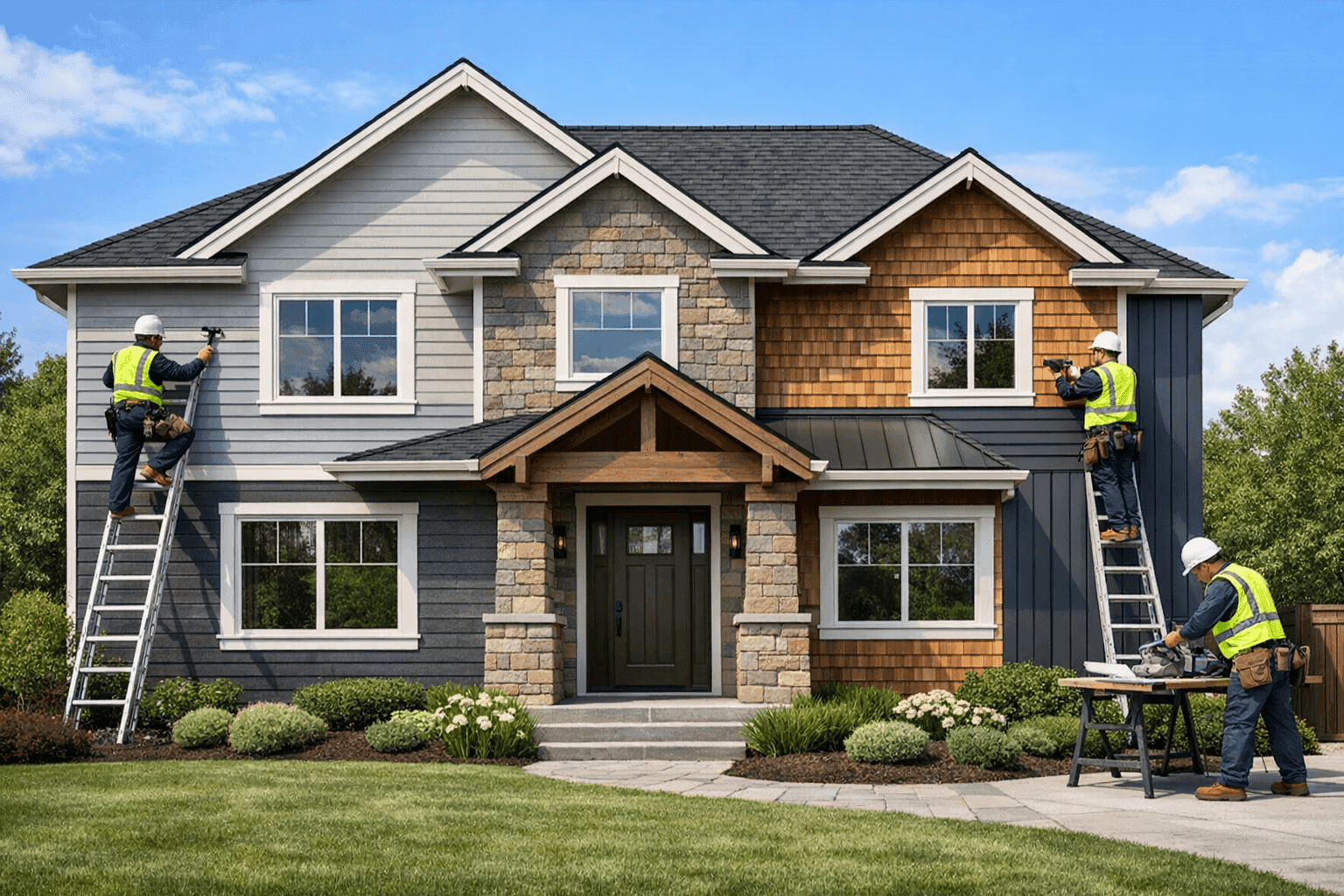
Is your home’s siding doing its job? Maybe you’ve spotted cracks, fading, or signs of moisture. Or perhaps you’re building your dream house and want siding that lasts. Either way, the choices can feel endless. At Kroll Siding, we bring decades of experience so you can skip the guesswork and make confident decisions.
Siding isn’t just skin-deep. It shields your home from weather, pests, and time itself. But not all siding is equal—or equally easy to care for. Let’s break it down so you know exactly what to expect, from the first nail to the final coat of paint.
Siding Types for Homes: What Are Your Options? 🏡
The right siding isn’t just about looks. It’s about protection, comfort, and even resale value. Here are the most common choices for residential siding:
- Vinyl Siding: Often the go-to for affordability and easy upkeep. Vinyl stands up well to wind and rain, but can crack under heavy impact or in extreme cold.
- Fiber Cement Siding: Made from sand, cement, and cellulose fibers. It mimics wood or stucco looks, resists fire, pests, and rot. Requires repainting every decade or so.
- Wood Siding: Natural, classic charm. Cedar and redwood offer built-in resistance to decay, but all wood needs staining or painting and vigilant maintenance.
- Metal Siding: Aluminum or steel panels give a modern edge and resist fire and insects. They can dent more easily and may need periodic painting.
- Stucco Siding: Durable and energy efficient, especially in dry climates. It can crack with shifting foundations or severe storms.
- Engineered Wood Siding: Combines wood fibers and resins for a wood look with less maintenance. Still needs protection from moisture.
- Eco-Friendly Siding Options: Choices like recycled-content fiber cement or sustainably sourced wood balance durability and minimal environmental impact.
Each material has its own rhythm—some beat strong in storms, others hum quietly for decades with minimal fuss.
How to Choose the Best Siding for Your Home
No two homes are exactly alike. Your siding should fit your climate, budget, and style preferences.
Consider these factors:
- Climate: Wet, windy, or cold? Fiber cement, metal, or certain vinyls may handle your weather best.
- Energy Efficiency: Insulated siding can reduce heating and cooling costs. Look for energy performance ratings, like those cited by the U.S. Department of Energy.
- Aesthetics: Some materials offer more color or texture choices than others. Think about your home’s architecture and the neighborhood vibe.
- Maintenance Commitment: Be honest about your willingness to repaint, stain, or clean.
- Longevity: Vinyl can last 20-40 years, fiber cement up to 50, metal even longer if maintained. Wood’s life depends on vigilance.
- Budget: Upfront costs vary, but so do lifetime costs. Consider repairs, repainting, and energy savings.
A siding consultation with Kroll Siding can help you weigh these factors for your specific home and goals.
Installation: What the Pros Know
Installing siding is more than nailing boards to a wall. Pros start by checking for damage behind old siding, prepping surfaces, and installing crucial flashing. They follow manufacturer instructions and local building codes—like those set by the International Residential Code (IRC)—to prevent water intrusion and ensure ventilation.
Key steps:
- Inspect sheathing and framing for rot or pests.
- Address flashing and moisture barriers, especially at corners and windows.
- Plan for expansion and contraction (crucial for vinyl and metal).
- Ensure proper ventilation in attics, soffits, and behind siding to prevent moisture traps.
Poor installation can void warranties and invite trouble down the road. Seasoned installers, like our Kroll Siding team, avoid shortcuts.
Siding Flashing Repair and Weatherproofing
Flashing is your home’s raincoat. It directs water away from vulnerable seams and joints. Over time, flashing can corrode or come loose, letting moisture sneak in.
Warning signs:
- Staining or bubbling paint indoors
- Visible rust or gaps at joints
- Mold or musty smells
Prompt Siding Flashing Repair near you saves money by stopping leaks before they rot the structure. Weatherproofing—including caulking and sealing—adds another layer of defense, especially before harsh seasons.
Siding Maintenance Basics: Keep It Looking Sharp ⚒️
Routine care stretches the life of your siding and keeps it looking fresh. Here’s what every homeowner should know:
- Cleaning: Most vinyl and metal siding cleans up with a garden hose or gentle pressure washing. Wood and fiber cement need softer brushes and mild soap.
- Painting or Staining: Fiber cement and wood need fresh coats every 5–10 years. Use paints or stains approved by the manufacturer.
- Inspect Caulk and Seals: Check around windows, doors, and trim yearly. Replace cracked or peeling caulk.
- Gutter Care: Clogged gutters can spill water behind siding. Keep them clean and free-flowing.
Kroll Siding offers residential siding services including cleaning, caulking, and trim repair, so you don’t have to sweat the details.
When to Repair, When to Replace: Reading the Signs
Sometimes a quick fix is all you need. Other times, siding’s problems run deeper.
Repair if:
- Damage is local (one or two boards/panels)
- Cracks, dents, or warping are isolated
- Color fading is minor and paintable
Replace if:
- Widespread rot, mold, or warping
- Insect damage throughout
- Repeated repairs add up to more than replacement
- Energy bills climb—old, leaky siding may be to blame
A professional siding inspection can help you decide. At Kroll Siding, we’re trained to spot hidden trouble.
The Lifespan Lowdown: How Long Does Siding Last?
Not all sidings age at the same pace. Think of it like choosing tires for your car—some are all-season, others are high-performance, but all wear out eventually.
- Vinyl: 20–40 years (longer with care)
- Fiber Cement: 30–50 years
- Wood: 15–40 years (species and upkeep matter)
- Metal: 40–70 years
- Stucco: 50+ years (needs periodic patching)
Warranties often cover 20–50 years, but real-world conditions matter. Regular maintenance is the key to reaching the upper end.
Energy Efficiency and Your Siding
Your siding is like the cozy blanket around your house. Some materials—especially when paired with insulation—keep your home cooler in summer and warmer in winter. Look for insulated vinyl or add rigid foam under cladding. Fiber cement and stucco also offer solid performance.
Check Energy Star guidelines for insulation values (R-values) recommended for your climate.
Signs of Siding Trouble: Don’t Ignore These!
Some problems are obvious. Others hide in plain sight until it’s too late.
- Bubbling, blistering, or peeling paint
- Soft spots or sponginess
- Gaps at seams or around windows
- Sudden spikes in utility bills
- Unexplained musty odors
If you spot these, it’s time for a closer look—or a call to your siding pro.
Siding and Storm Damage: What to Do Now
Storms can rip, crack, or dent siding. Hail and wind are especially tough on vinyl and aluminum. After a storm, walk your property and inspect all sides. Document damage for insurance.
If you see exposed sheathing, water leaks, or hanging panels, treat it as urgent. Kroll Siding offers storm damage repair and emergency siding services to get you secure, fast.
Siding and Curb Appeal: Picking Color and Trim
Siding isn’t just practical—it’s the first thing neighbors (and buyers) notice. Color can make your home pop or blend in. Trim and molding frame your windows and doors, adding polish.
Kroll Siding offers siding color consultation and custom trim work to help your home stand out, for all the right reasons.
The Installation Timeline: What to Expect
Most siding projects take 1–2 weeks, depending on size, material, and weather. Add time for old siding removal, repairs to sheathing, or unexpected surprises.
You can stay home during installation, but expect some noise and disruption. Clear outdoor furniture, decorations, and trim plants near the house for easier access.
DIY vs. Professional Siding Installation
Some small repairs—like caulking a gap or replacing a single panel—are DIY friendly with the right tools and patience. Full siding replacement is best left to licensed installers. Pros know how to handle flashing, insulation, and ventilation, and they ensure the work meets code and warranty requirements.
Siding Safety Checklist: Before You Start
Safety comes first. Always:
- Wear gloves, goggles, and sturdy shoes
- Be cautious on ladders
- Turn off power to exterior outlets and lights
- Check for lead paint on pre-1978 homes (see EPA guidelines)
Professional crews follow strict safety protocols to protect your home and everyone on site.
Common Siding Mistakes Homeowners Make
- Skipping flashing or caulking
- Using the wrong nails or fasteners
- Ignoring manufacturer instructions
- Painting or cleaning with harsh chemicals
- Neglecting regular inspections
Avoid these, and your siding will thank you for years.
Frequently Asked Questions
How often should siding be cleaned?
Once a year is usually enough, but check after major storms or pollen-heavy seasons.
Can faded siding be painted?
Most fiber cement and wood can be painted. Vinyl can too, with special paint—ask your installer.
What’s the best siding for my region?
It depends on climate and local building codes. For personalized advice, Kroll Siding can help you choose.
Ready to Refresh Your Home’s Siding?
Still have questions? Ready for a siding inspection or a full replacement? If you’re searching for a siding contractor in Kentwood or nearby areas, talk to our team for straightforward answers and solutions that last.
Call Kroll Siding now — or reach us anytime at 888-892-6286 .