Siding Flashing: The Unsung Hero Against Water Damage
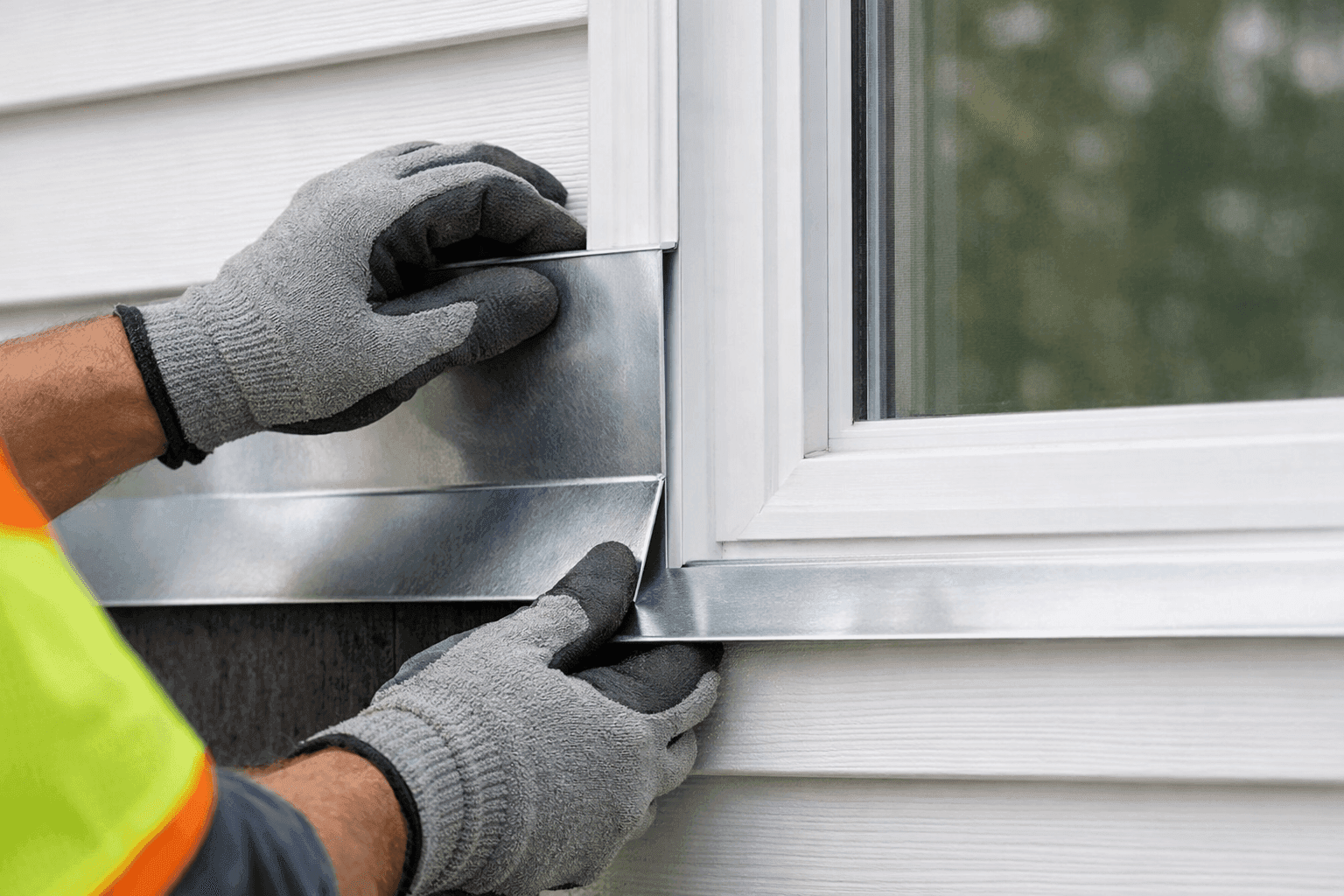
Every home has secrets. Some keep you warm, some keep you dry. Siding flashing is the unsung hero working behind the scenes—quietly defending your walls from water’s slow, relentless attack.
You may not notice it. But when flashing fails, the damage can be disastrous—and expensive. At Kroll Siding, we see it all: warped boards, moldy insulation, and soggy drywall. Let’s pull back the curtain and shine a light on this hidden protector.
What Is Siding Flashing? 🛡️
Think of flashing as your home’s raincoat. It’s thin metal or plastic tucked under your siding, doors, and windows—placed where water might sneak inside. Its job? Channel water away from vulnerable seams and joints, sending it harmlessly to the ground.
- Common flashing materials: galvanized steel, aluminum, copper, or sturdy plastics
- Shapes & locations: L-shaped, Z-shaped, drip edges—always custom-fit to each spot
According to the International Residential Code (IRC), flashing is required at all horizontal joints and penetrations. That’s not just best practice—it’s code.
Why Siding Flashing Matters More Than You Think
Water is clever. It finds the tiniest cracks and turns them into big problems. Without proper flashing, rain or melting snow can seep behind your siding. Over time, this moisture rots wood, spawns mold, and weakens the whole wall.
Flashing acts as a silent traffic cop for water—redirecting it before it causes chaos. Homes without it (or with poorly installed flashing) eventually pay the price. And insurance rarely covers slow, hidden damage.
Where Siding Flashing Is Used
You’ll find flashing at all the “weak spots”:
- Above and below windows and doors
- Roof-to-wall intersections
- Where siding meets decks or porches
- Chimneys and exterior vents
- Horizontal seams in siding runs
Even the best siding can’t do its job alone. Flashing is the backup, always on duty.
Common Failure Points (and How They Sneak Up on You) ⚠️
Not all flashing is created equal. Here’s where things usually go wrong:
- Improper installation—missing, backwards, or poorly overlapped pieces
- Damaged by storms or ladders (bent, punctured, or peeled back)
- Rust or corrosion—especially with older metal flashing
- Cracked caulking or sealant letting water slip behind
- Blocked gutters causing water to flow where it shouldn’t
Failures often hide behind trim or siding for years. By the time you see stains or bubbling paint indoors, the damage may be widespread.
How to Spot Siding Flashing Problems
Don’t wait for peeling walls or musty smells. Here are some signs flashing may be failing:
- Dark streaks or stains just below windows and doors
- Soft, spongy spots in siding or trim
- Bubbling or peeling exterior paint
- Visible rust streaks or gaps at joints
- Mold or mildew on interior walls near exterior seams
If you spot any of these, schedule a siding inspection right away.
Quick Safety Checklist for Homeowners
Before you grab a ladder, pause. Flashing sits high and often in tricky spots. Here’s how to check safely:
- Walk your home after heavy rain—look for damp spots and leaks inside and out
- Use binoculars to inspect siding, window, and door edges from the ground
- Check your attic for signs of moisture or mold near exterior walls
- Don’t poke or pry at siding—leave that to the pros
If you’re unsure, a professional inspection is worth every penny.
DIY or Call a Pro? Knowing Your Limits
Siding flashing repair isn’t like painting a fence. It means lifting boards, cutting metal, and working at heights. Done wrong, it’s a recipe for leaks.
When should you call Kroll Siding? If you see:
- Water damage that’s spreading
- Flashing that’s missing or obviously bent
- Frequent leaks after storms
- Rotting trim or sagging siding
Our trained techs know how to find hidden issues—without causing more damage.
What the Pros Do On Arrival
When you call for Siding Flashing Repair, here’s what happens:
- Full exterior inspection, focusing on trouble spots
- Careful removal of siding or trim (as needed) to check flashing
- Replacement or repair of damaged flashing—installed to modern building science standards
- Re-caulking and sealing of all seams and joints (see our caulking & sealing service)
- Testing for proper water flow and drainage
We use only code-approved materials and methods—so your repairs last.
Prevention & Maintenance: Keep Water Out for Good 🕵️
Want to avoid problems later? Make flashing maintenance part of your routine:
- Inspect caulking and sealant at least twice a year (spring and fall are best)
- Clean gutters and downspouts every season
- Trim back trees and shrubs that can rub or damage siding
- After storms, check for bent or loose flashing
- Don’t ignore small leaks or stains—they rarely fix themselves
A little vigilance now saves big headaches later.
Siding Flashing Costs & Timelines
How much does repair cost? It depends on the damage. Small repairs might be affordable; major water issues can add up.
- Most simple repairs take a few hours
- Extensive flashing replacement may require several days, especially if rot is found
- Factor in cost of materials (metal, sealant, new siding pieces) and labor
Remember: Cutting corners on flashing is always more expensive in the long run.
When It’s an Emergency
If you see active leaks during a storm, warped walls, or sudden mold growth, don’t wait. Water gets worse fast. Emergency siding services are available—just call, day or night.
FAQ: Siding Flashing Edition
Q: Can I just caulk over gaps in flashing?
A: Caulk is a backup, not the main defense. Replace damaged flashing for real protection.
Q: Is metal flashing always better than plastic?
A: It depends on the spot—metal is tougher, but some plastics are less prone to corrosion.
Q: Should I replace all flashing when I get new siding?
A: Absolutely. It’s much easier and cheaper to do it all at once.
Seasonal Considerations: Flashing in Every Climate ❄️
- Winter: Freeze-thaw cycles open up cracks. Inspect in early spring for new leaks.
- Summer: UV rays can break down old caulking and warp some materials.
- Storm season: Heavy rain reveals hidden problems fast.
No matter where you live, siding flashing must stand up to every season.
Common Mistakes to Avoid
- Ignoring minor leaks or stains
- Using incompatible metals (causing galvanic corrosion)
- Skipping code-required overlaps and sealing steps
- Hiring unlicensed or inexperienced installers
Always ask for references and photos of past work. Your home’s health depends on it.
How Long Will Repairs Disrupt My Life?
Worried about the mess? Most repairs are done in a day or two, with minimal disruption. Our crews clean up thoroughly, and you’re left with peace of mind.
Materials Matter: Choosing the Right Flashing
Not all flashing is created equal. The best choice depends on your siding, climate, and budget.
- Galvanized steel: Strong and affordable, but can rust in salty air
- Aluminum: Lightweight and corrosion resistant
- Copper: Premium, lasts forever, but pricey
- Vinyl/PVC: Good for some spots, but may warp in heat
We match materials to your home’s needs—and to building code standards.
Building Science and Pro Standards
At Kroll Siding, we follow the guidelines of the International Association of Certified Home Inspectors (InterNACHI) and the International Residential Code. Proper flashing isn’t just tradition—it’s science:
- Overlap and shingle flashing so water always flows outward
- Use compatible sealants and caulks for each material
- Allow for expansion and contraction (so flashing doesn’t buckle or pop)
These details protect your investment for decades.
Real Success Stories From Local Homeowners
One Salem homeowner called us after noticing paint peeling near a window. Our inspection found a tiny gap in the flashing—missed by the original installers. After a quick siding repair in Salem, the leaking stopped, and the walls stayed dry. The fix was simple, but the relief was huge.
Don’t Wait—Defend Your Home’s Future
Siding flashing may be hidden, but its value is clear. If you suspect trouble or just want peace of mind, get a professional inspection. Your walls (and wallet) will thank you.
Call Kroll Siding now — or reach us anytime at 888-892-6286 .