Siding for Energy Savings: Insulation, Materials, and Design
Does your house feel drafty in winter and stuffy in summer? You’re not imagining things. Siding is more than just curb appeal—it’s the armor and sweater for your home, all at once. At Kroll Siding, we know that the right siding, installed the right way, can make your home cozier and save real money on energy bills.
You want your home to be efficient, comfortable, and protected. Let’s talk about how siding—when chosen and installed smartly—delivers surprising energy savings.
How Siding Saves Energy ⚡
Think of siding as your home’s first defense against weather. It stands between your family and the elements, bearing the brunt of sun, rain, wind, and snow. But great siding does more than block the breeze—it can help trap warmth in winter and reflect heat in summer.
A home’s energy loss can be dramatic. The U.S. Department of Energy estimates that heat gain and loss through walls account for 25–30% of residential heating and cooling energy use. Siding with proper insulation acts like a thermos, holding in your comfort.
The Invisible Barrier
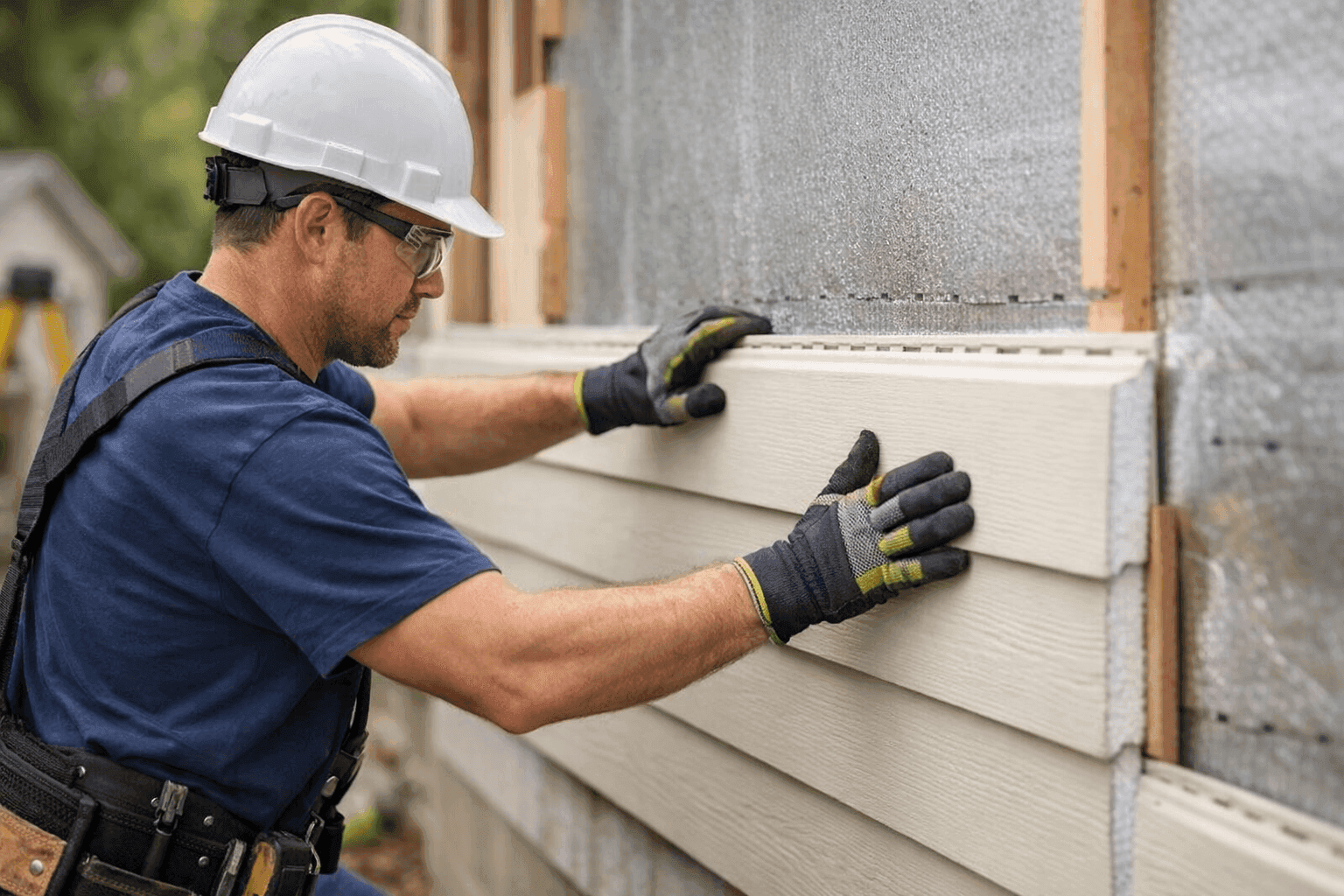
Behind every beautiful exterior, there’s a hidden layer working hard. Insulated siding adds a foam panel or backing behind the boards. This creates a continuous thermal break—no more cold spots or sneaky drafts. It’s like slipping a thick glove over your hand instead of just waving in the wind.
Best Siding Materials for Insulation
Not all siding is created equal. Some types come with built-in insulation. Others can be paired with advanced materials for even better performance.
Top Picks for Energy Efficiency
Here’s what homeowners consider when looking for lower bills and year-round comfort:
- Insulated Vinyl Siding: Features a foam layer fused to the back. Easy to maintain, resists moisture, and keeps walls warmer.
- Fiber Cement Siding: Dense, sturdy, and paired with added insulation, it stops heat and cold in their tracks.
- Engineered Wood Siding: Offers natural insulating value with fewer seams for air leaks.
- Stucco and Metal Siding: When installed with a continuous insulation layer, these materials can rival traditional options for efficiency.
Kroll Siding recommends matching your climate, design preferences, and budget with the right solution. Want the greenest option? Check out our eco-friendly siding options to balance efficiency with environmental responsibility.
Design Features That Make a Difference
Energy savings aren’t just about materials. Smart design choices matter—sometimes as much as the siding itself.
- Color Selection: Lighter colors reflect UV rays, keeping homes cooler in hot climates.
- Seamless Installation: Fewer joints mean fewer places for air and water to sneak in.
- Ventilation: Properly vented soffits and eaves prevent moisture buildup, which can ruin insulation’s effectiveness.
- Trim and Molding: Tight, well-installed trim stops leaks and insulates corners—where most energy escapes.
Installation Tips: What Matters Most
Professional installation isn’t just a luxury—it’s the difference between performance and problems. Here’s what Kroll Siding does on every job:
- Remove Old Siding Safely: Hidden damage or mold? We find it and fix it.
- Inspect & Repair Sheathing: The “bones” of your wall must be solid for insulation to work.
- Continuous Insulation: We use wide panels that overlap, eliminating cold bridges.
- Proper Flashing: Critical for keeping moisture out. If you’ve ever searched for “Siding Flashing Repair near you,” you know how vital this is.
- Seal All Gaps: Caulking and sealing every edge, vent, and opening to stop sneaky drafts.
See more about our insulation installation process.
DIY vs. Pro Installation: Know Your Limits
Installing siding isn’t like painting a fence. It’s a puzzle, where every piece must fit perfectly—or you risk leaks, rot, and lost energy. Mistakes can be expensive to fix and may void your warranty.
When should you call a pro? If you see:
- Water stains or rot beneath old siding
- Warped or wavy walls
- Obvious gaps or loose panels
- Signs of pests or mold
A professional crew brings know-how, safety gear, and years of experience. They also know local building codes and ENERGY STAR® guidelines, ensuring your investment pays off for years.
Quick Safety Checklist Before You Start
Safety first, always. Whether you’re inspecting or prepping for a siding upgrade, keep these basics in mind:
- Wear gloves and eye protection.
- Check for electrical hazards (wires, outlets).
- Watch for sharp tools and falling panels.
- Use ladders safely—never alone.
- Dispose of old siding according to local regulations.
Weatherproofing for Year-Round Comfort
Weather changes fast. Good siding—and the right installation—keeps you ready for anything. Sealing, caulking, and flashing all work together to form a weatherproof barrier. No more chilly drafts or rain leaks.
Proper insulation also prevents ice dams in winter and keeps cool air inside during scorching summers. This isn’t just comfort, it’s genuine savings on your energy bill.
Siding Maintenance: Keep Efficiency High
Just like a well-oiled machine, siding needs care. Here’s how to keep yours working hard:
- Clean siding at least twice a year to prevent buildup.
- Inspect caulking and sealant every spring and fall.
- Look for cracks, gaps, or loose trim—fix promptly.
- Schedule a professional inspection if you notice rising utility bills.
Regular maintenance keeps insulation effective and extends the lifespan of every panel.
Signs Your Siding Is Hurting Energy Efficiency
Not sure if your siding is past its prime? Watch for:
- Spiking energy bills, despite no rate change
- Drafts near walls or windows
- Peeling paint or wallpaper indoors (from trapped moisture)
- Visible warping or cracks outside
An energy audit—or professional siding inspection—can pinpoint the problem spots. If you live near Clarksville, see our high-value siding solutions in Clarksville for expert guidance.
Siding and Environmental Impact
Good siding isn’t just about your wallet. It’s about your footprint, too. Insulated siding reduces demand on your heating and cooling system, lowering your home’s carbon emissions.
Choosing recycled or sustainable materials—like fiber cement or engineered wood—further lessens your impact on the planet. ENERGY STAR® and NAHB (National Association of Home Builders) both recommend considering sustainability in any upgrade.
Measuring Your Results
How do you know your investment worked? Look for:
- Lower heating and cooling bills (track before-and-after)
- Fewer drafts and more even temperatures inside
- Quieter rooms (insulation dampens sound, too)
- Better indoor air quality
Consider a blower door test or thermal imaging scan to see the difference. Many utility companies even offer rebates for energy upgrades—worth asking about!
Common Mistakes to Avoid
It’s easy to underestimate siding projects. Here’s what trips up homeowners most:
- Skipping insulation to save money—costs more in the long run.
- Ignoring flashing or caulking—leads to leaks and mold.
- Choosing the wrong color for your climate.
- Overlooking soffit and fascia—key to ventilation and weatherproofing.
Kroll Siding helps you avoid these pitfalls with every project.
Timeline and What to Expect
Worried about disruption? Most siding and insulation projects take 1–2 weeks, depending on weather and the size of your home. We keep the mess to a minimum and clean up every day. You’ll see progress fast—and start feeling the difference right away.
FAQ: Your Energy-Saving Siding Questions
Will new siding really cut my bills?
Yes—especially if your old siding leaks or lacks insulation. Most homeowners see a 10–20% reduction in heating and cooling costs, according to the U.S. Department of Energy.
Is insulated siding worth the extra cost?
Over time, the energy savings often pay for the upgrade. Plus, you’ll enjoy a quieter, more comfortable home.
Can I add insulation to existing siding?
Sometimes. It depends on your current setup. We’ll inspect and advise on the best solution.
How do I know which material is right?
Ask the pros at Kroll Siding. We match products to your climate, style, and budget.
Ready for a More Efficient, Comfortable Home?
Energy-saving siding is more than just an upgrade—it’s an investment in comfort, value, and peace of mind. Whether you’re facing drafts, high bills, or just want a smarter home exterior, Kroll Siding is here to help.
Call Kroll Siding now — or reach us anytime at 888-892-6286 .