Siding and Gutter Integration: Why Both Matter
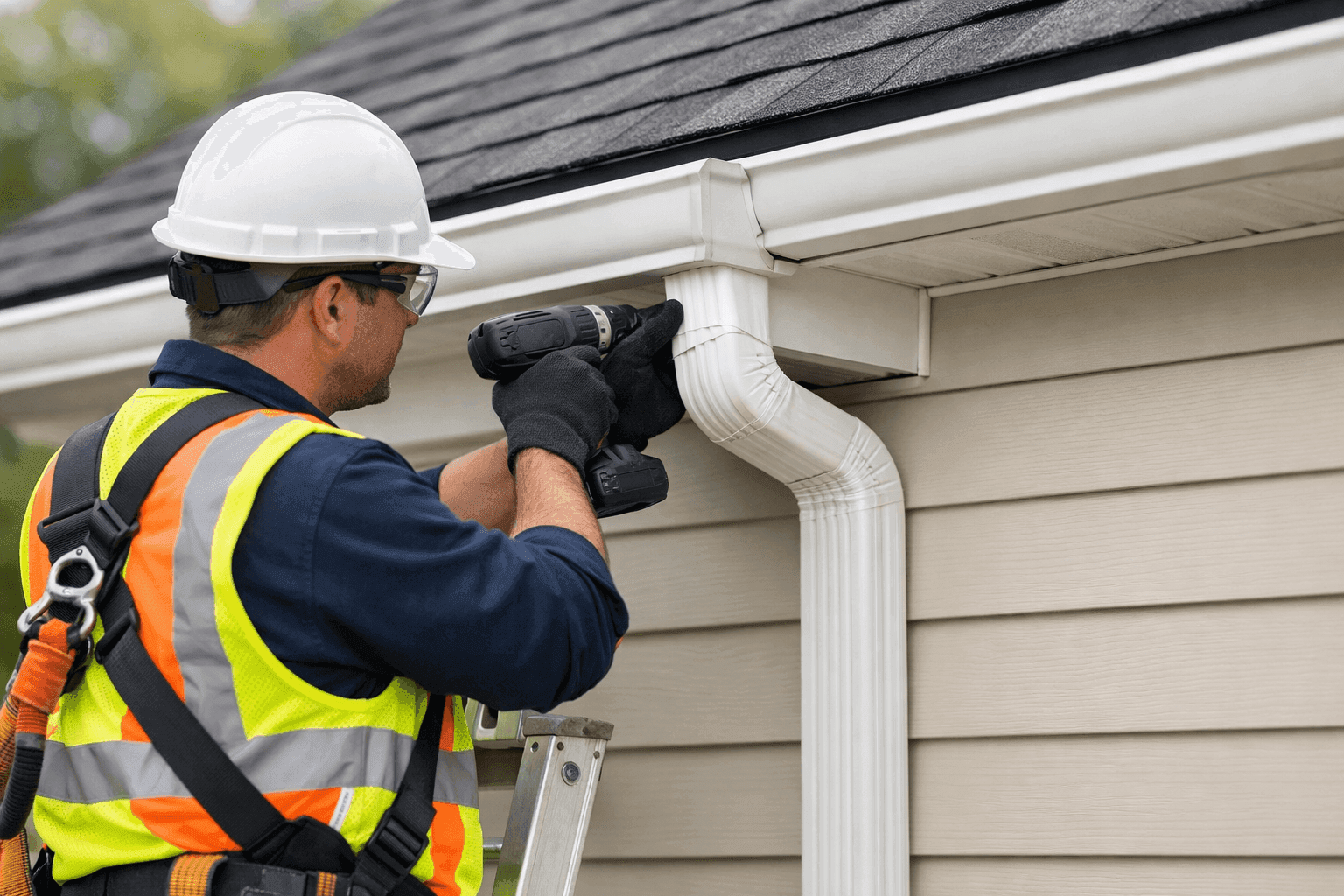
Is your home’s exterior working as a team—or fighting itself every time it rains? At Kroll Siding, we see too many houses where gutters and siding are battling the elements alone. The result? Water sneaks in, wood rots, paint peels, and your peace of mind evaporates.
It doesn’t have to be this way. With smart design and regular maintenance, siding and gutters can shield your home like a raincoat and umbrella—working together for total protection.
Water Flow: The River Running Down Your Walls 🌧️
Imagine your roof as a mountain peak. Rain and snowmelt rush down, searching for the quickest escape. Gutters and siding must guide this flow safely away—or risk flooding your foundation, soaking insulation, and inviting mold.
How gutters and siding cooperate:
- Gutters capture runoff at the roof edge.
- Downspouts steer water away from siding and foundations.
- Siding, when sealed and maintained, acts as your home’s waterproof shield.
If even one piece fails, water finds its way in. That’s why integration matters.
Flashing: The Unsung Hero in the Middle
Flashing is the thin metal or plastic strip bridging the gap between siding and gutter. It’s like the zipper on your jacket—small, but keeping the weather out.
Why flashing is vital:
- Stops water from seeping behind siding at critical edges.
- Directs runoff into gutters, not down your walls.
- Reduces risk of wood rot, swelling, and hidden leaks.
If you notice staining, bubbling paint, or warped boards near gutters, flashing may be the culprit. For Siding Flashing Repair near you, professional help is often needed.
Common Problem Zones: Where Trouble Starts
Certain spots are water magnets. Pay close attention to:
- Roof valleys where two slopes meet
- Inside and outside corners of your home
- Chimneys, skylights, and dormers
- Bottom edges where siding meets concrete or decks
Neglect these, and you’re inviting water to linger, seep, and destroy.
Siding Material Matters: Not All Shields Are Equal
Vinyl, fiber cement, wood, stucco, and metal—each offers different strengths against water. Some are more forgiving after a rainstorm, others need extra sealing or special fasteners.
Questions to ask:
- Does my siding type need more frequent caulking?
- Are my gutters sized and sloped correctly for my roof material?
- Is weatherproofing up to code? (See International Residential Code for siding guidelines.)
For tailored advice, our Siding Material Consultation service helps you match the right materials for lasting protection.
Signs Your Integration Isn’t Working
Water always leaves clues. Watch for:
- Peeling or bubbling paint along siding edges
- Mold, mildew, or dark streaks near gutters
- Warped or soft spots in wood siding
- Sagging gutters or water spilling over during rain
- Musty odors inside near exterior walls
Don’t wait for a waterfall—address these signs early.
Quick Safety Checklist Before the Storm
Before the next downpour, check:
- Gutters are clear of leaves and debris
- Downspouts extend at least 3 feet from the house
- Flashing is intact and securely fastened
- Siding seams are caulked and sealed
- Soffit and fascia boards show no rot or gaps
Stay off ladders if you’re unsure. Professional inspection is always safer.
DIY or Call a Pro? Deciding When to Get Help
Some tasks are weekend-friendly. Cleaning gutters, checking downspouts, or touching up caulk can be safe for handy homeowners.
But for:
- Flashing repair or replacement
- Gutter rehangs or slope adjustments
- Hidden water damage behind siding
- Large-scale weatherproofing
Call a siding and gutter specialist. It’s easy to miss issues that become expensive repairs down the road.
What the Pros Do When They Arrive
Expect a thorough approach:
- Inspect gutter and siding attachment points
- Look for hidden leaks behind flashing or trim
- Check for code compliance and safe slopes
- Recommend repairs or new gutter installation if needed
Trained eyes spot what’s invisible to most. Timely fixes can save you thousands.
Prevention: The Cheaper Way to Stay Dry
Routine maintenance is your best defense. Twice a year:
- Clean gutters and check for sagging or blockages
- Inspect siding for cracks, warping, or loose panels
- Reseal joints and flashing as needed
- Trim nearby trees to reduce debris
A few hours can prevent months of headaches.
Costs and Time: What to Expect
Budget and timing depend on the job:
- Gutter cleaning: Fast, low-cost
- Flashing or siding repairs: Moderate expense, usually a day’s work
- Full replacement or integration: More time and investment, but peace of mind for years
Remember: Ignoring problems is always the most costly option.
When It’s an Emergency
Heavy storms, ice dams, or fallen branches can rip gutters and siding apart. If you see water gushing where it shouldn’t, call for emergency siding services.
Quick action can limit damage and protect your belongings.
Siding Weatherproofing: Locking Out the Elements
Weatherproofing is more than caulking and paint. It includes:
- Vapor barriers behind siding
- Storm-resistant gutters and downspouts
- Upgraded flashing at every joint
Our siding weatherproofing solutions are designed to keep your home dry no matter what nature throws at it.
Frequently Asked Questions
How often should gutters and siding be inspected?
Twice a year—ideally in spring and fall.
Can clogged gutters really damage my siding?
Absolutely. Overflowing water can rot boards, peel paint, and even seep into your walls.
Is ventilation important?
Yes. Proper soffit and fascia ventilation prevents moisture buildup behind siding.
Seasonal Considerations: Timing Your Maintenance
- Spring: Clean up after winter storms, check for ice damage.
- Summer: Watch for warping or expansion in heat.
- Fall: Clear falling leaves, inspect before freeze-thaw cycles.
- Winter: Keep gutters clear to prevent ice dams and backup.
Avoid These Common Mistakes
- Ignoring minor leaks or stains
- Using mismatched gutter and siding materials
- DIY flashing without proper overlap or fasteners
- Skipping annual inspections
Small errors become big problems fast.
Timeline and Disruption: What to Prepare For
Most repairs can be done in a day or two. Full siding or gutter replacement may take longer, especially for large or multi-story homes. Plan for some noise, and keep pets and kids indoors during work.
Materials and Equipment: Trust the Right Tools
Pros use:
- Heavy-duty ladders and safety gear
- High-quality caulks and sealants
- Galvanized or aluminum flashing
- Weather-rated fasteners
Quality gear means longer-lasting results.
Looking for Siding Flashing Repair Near You?
If you’re searching for a reliable crew for siding or gutters, Kroll Siding is here to help. For homeowners in the Medford area, check out our Medford siding services for high-value siding installation and repair.
Ready to protect your home from water damage?
Call Kroll Siding now — or reach us anytime at 888-892-6286 .