Siding for Historic Homes: Balancing Preservation and Performance
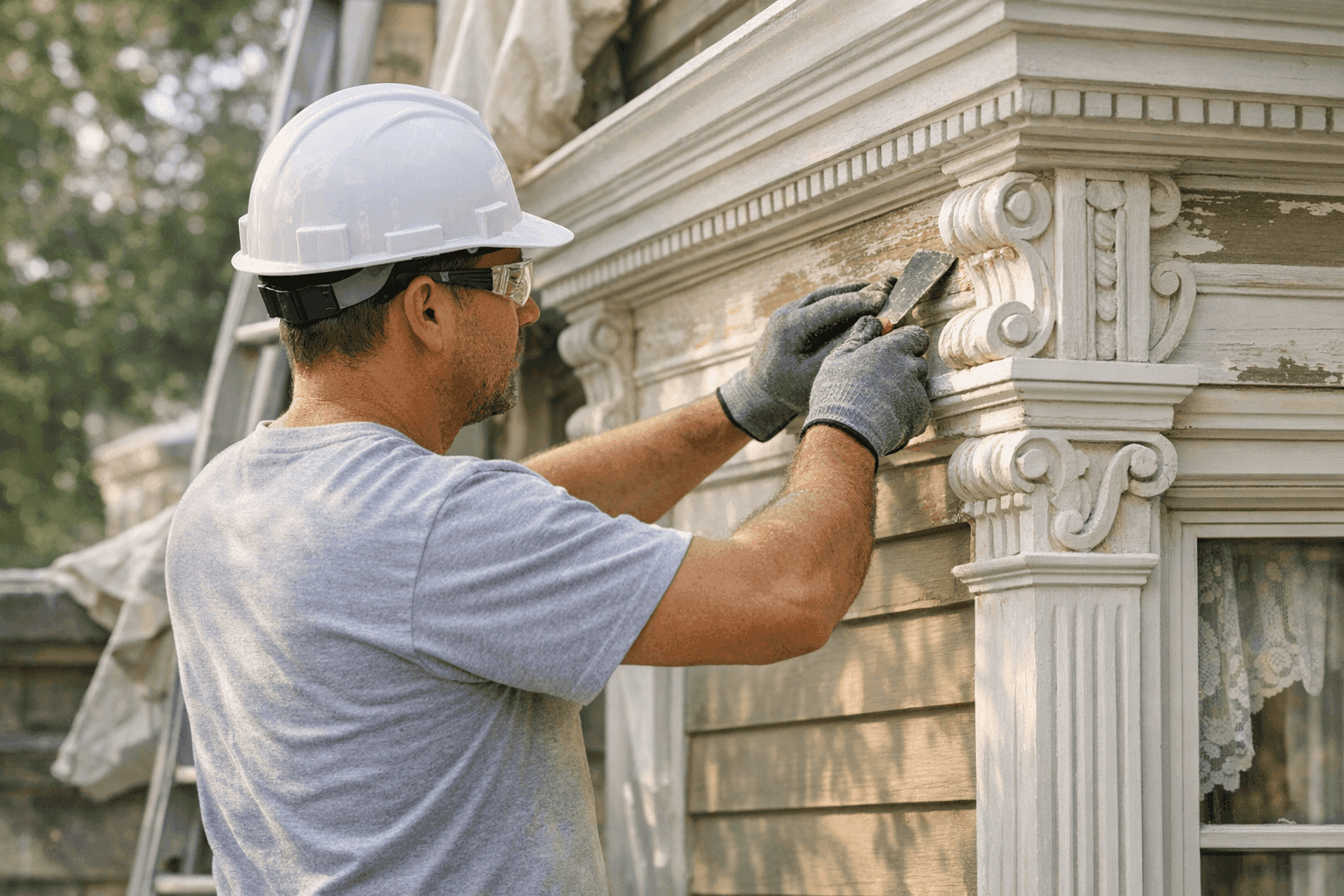
Sometimes, a house is more than just shelter—it’s a piece of living history. If you own a historic home, you know the challenge: how do you protect its character while making sure it stands strong against today’s weather? At Kroll Siding, we’ve spent decades restoring and preserving the stories written into old wood and classic trim.
Siding for historic homes isn’t just about curb appeal. It’s about honoring original craftsmanship, meeting modern standards, and ensuring your home’s story continues for generations. Here’s what you need to know.
The Challenges of Historic Siding
Historic homes are like time capsules. Their siding often features hand-cut wood, rare moldings, and details no longer found in modern construction. But age brings its own headaches:
- Damage from time and weather: Cracked boards, peeling paint, soft spots, and warped panels are common.
- Outdated techniques: Old nails, missing flashing, and primitive weatherproofing can let moisture sneak in.
- Regulatory hurdles: Many areas have preservation guidelines or require historic commission approval before changes.
- Material mismatch: Finding new siding that blends seamlessly with the original can be tricky.
Each challenge is a chance to balance respect for the past with the demands of today.
Safety First: Quick Historic Siding Checklist 🛠️
Before any siding project on a historic home, pause for safety:
- Check for lead paint (common in pre-1978 homes). Use EPA guidelines for safe removal.
- Inspect for rot or insect damage beneath the siding.
- Identify any asbestos-containing materials (often found in old cement sidings).
- Use proper protective gear and containment methods.
A licensed pro can spot hidden dangers. Never skip this step.
DIY vs. Call a Pro
Some tasks—like gentle cleaning or spot painting—are safe for a careful homeowner. But when it comes to:
- Siding Flashing Repair near you
- Replacing damaged wood
- Matching ornate trim
- Navigating local preservation codes
…it’s wise to call a pro. Mistakes can mean costly repairs or even code violations.
What Pros Do On Arrival
When Kroll Siding arrives at a historic home, we start with a full inspection. We look for:
- Moisture intrusion
- Hidden rot or insect activity
- Failing caulk and flashing
- Signs of past DIY fixes
Next, we consult preservation guidelines—often referencing the Secretary of the Interior’s Standards for Rehabilitation and local ordinances. We talk with you about your goals and worries. Respect comes first.
Material Options for Historic Homes
Choosing the right siding material is key. Here’s what works best for older homes:
- Wood Siding: The gold standard for authenticity. Species like cedar or redwood, milled to match originals, blend seamlessly. See our wood siding installation services.
- Fiber Cement: Durable, paintable, and can mimic historic profiles. It’s a good option where fire or termite risk is high.
- Engineered Wood: Modern versions offer improved durability and eco-friendly options.
- Custom Solutions: Sometimes, the only way is to custom-mill boards or trim to match what’s already there. That’s where our custom siding solutions shine.
Vinyl and metal siding are less common but can sometimes be used for additions or hidden areas—always depending on local codes.
Matching Original Details: Art Meets Science 🎨
Details matter. The reveal width of clapboards, the profile of a crown molding, even the spacing of trim nails—these are fingerprints of your home’s era.
At Kroll Siding, we:
- Carefully document existing profiles before work starts
- Use custom milling when off-the-shelf won’t do
- Source period-appropriate fasteners and finishes
- Color-match to existing or historic palettes (sometimes referencing the National Park Service Preservation Briefs)
This meticulous approach ensures the old and the new are indistinguishable.
Upgrading for Longevity Without Losing Character
Historic homes deserve to last. Modern upgrades can help, but they must be subtle:
- Flashing and Weatherproofing: Modern flashing, housewrap, and moisture barriers keep water out without changing the look.
- Ventilation Solutions: Soffit and ridge vents protect against rot and mold—installed in ways that don’t detract from historic lines.
- Caulking and Sealing: Flexible, paintable sealants preserve joints for decades.
- Insulation: Blown-in or rigid foam can be added behind siding to improve comfort and efficiency.
Our crews are trained to hide these upgrades, protecting both beauty and value.
Navigating Preservation Guidelines
Every historic district has its own rules. Some require approval for even minor changes. We:
- Work closely with local historic commissions
- Prepare detailed proposals and material samples
- Follow the Secretary of the Interior’s Standards and local building codes
- Document every step for your records
This paperwork may feel daunting, but it protects your home’s status and resale value.
Real-World Case Study: Restoring a Victorian Gem
One Waco homeowner faced flaking paint, warped clapboards, and missing gingerbread trim. Our team:
- Documented every detail with photos and sketches
- Custom-milled replacement boards and ornate trim
- Used low-VOC paints in historically accurate colors
- Installed modern flashing and a moisture barrier—completely hidden
The result? The home looks just as it did in the 1890s, but performs like a 21st-century build. The owner even qualified for state historic tax credits.
Costs, Timeline, and What to Expect
Restoration is rarely quick or cheap, but it’s worth every penny. Here’s what to expect:
- Time: Most projects take 2–6 weeks, depending on the home’s size and complexity.
- Disruption: We minimize mess and noise. You may need to move outdoor items or plan for access.
- Budget: Custom materials and labor cost more than standard siding—but shortcuts hurt value.
Pro tip: Maintain your siding with annual inspections and touch-ups to avoid bigger repairs later.
Maintenance Tips for Historic Siding 🧹
Protect your investment with these habits:
- Gently wash siding annually to remove dirt and mildew
- Touch up paint and caulk as soon as cracks appear
- Clear gutters and downspouts to prevent water damage
- Schedule a professional siding inspection every 2–3 years
Small steps preserve big legacy.
Signs of Siding Trouble
Watch for:
- Paint that peels or “alligators”
- Soft or spongy wood
- Warped or loose boards
- Gaps around windows and doors
- Water stains inside or outside
Don’t ignore these red flags. Early action saves money and history.
When Storms Strike: Emergency Restoration
Severe weather can batter even the sturdiest old home. From wind-torn shingles to hail-pocked siding, Kroll Siding provides emergency repairs that respect original materials. Quick tarping, board-up, and moisture control prevent further damage until full restoration can begin.
Common Mistakes to Avoid
- Using vinyl or aluminum siding over original wood (traps moisture, hides damage)
- Ignoring local codes or skipping permits
- Painting over failing or damp wood
- Removing decorative trim or unique features
Ask questions. It’s your home’s story at stake.
Frequently Asked Questions
Can I use modern siding on a historic home?
Sometimes—but only if it matches the original in appearance, and only with proper permits.
Do I need to replace all the siding?
Not usually. We often save and restore much of the original material.
What if I don’t know my home’s original color or siding style?
Historic photos, neighbors’ homes, and paint analysis can help. We’ll guide you.
Ready to Protect Your Historic Home?
A historic home is a treasure. Its siding deserves care that blends old-world artistry with new-world protection. At Kroll Siding, our restoration experience, preservation knowledge, and custom solutions set your home up for another century of beauty and value.
If you’re searching for a historic siding restoration near you, visit our Waco siding page for more details or to get started.
Call Kroll Siding now — or reach us anytime at 888-892-6286 .