Siding Trim Repair: Fixing Small Details for Big Impact
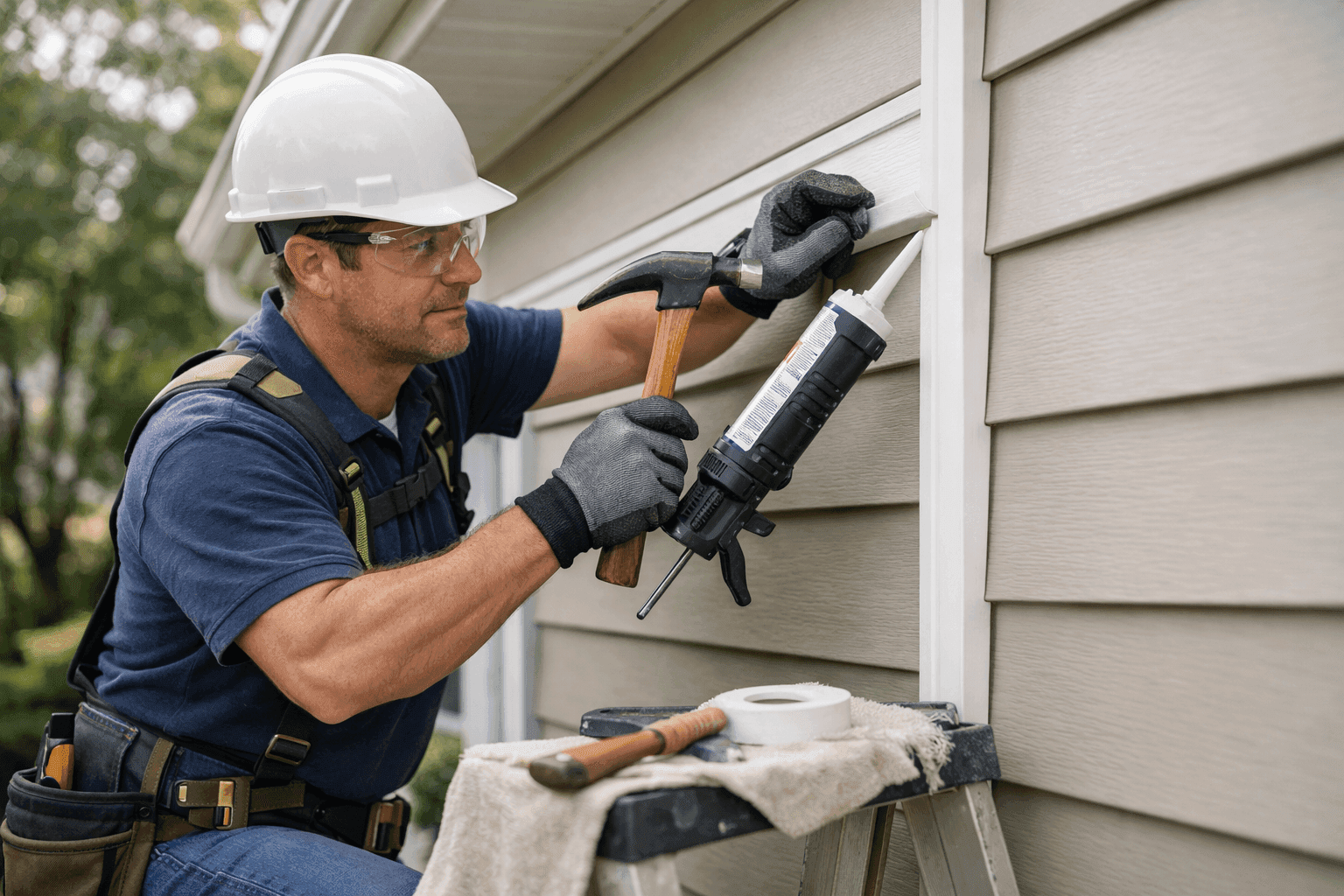
You notice a little crack along the edge of your siding trim. Maybe a board is loose. It seems minor—just a small detail along the frame of your house. But here’s the truth: those little problems can open the door to much bigger headaches. Water intrusion. Pest infestations. Even structural damage if ignored too long.
At Kroll Siding, we know that protecting your home is all about the details. Siding trim repair is the unsung hero that keeps your home’s exterior looking sharp and safe from the elements.
Why Trim Repair Matters
Trim is the border that ties your whole home together—like the frame on a masterpiece painting. When it’s damaged, it’s not just an eyesore; it’s an open invitation for trouble. Cracked or rotting trim lets water seep in behind your siding, which can lead to mold, warped boards, or even foundation issues over time.
Think of your trim as the umbrella over your siding. If there’s a hole, everything beneath gets wet.
Regular trim repair protects your investment, boosts curb appeal, and saves you from far more costly repairs down the road.
Spotting Trouble Before It Grows 🌧️
Early detection is half the battle. Here are the most common trim problems we see:
- Rot: Soft spots, discoloration, or crumbling wood—especially near joints or where water collects.
- Cracks: Thin lines or splits in the trim, which can widen over time.
- Loose Boards: Trim that pulls away from the siding, creating gaps for moisture and pests.
- Warping or Buckling: Boards that bend or twist out of shape, often from water damage or poor installation.
- Peeling Paint or Caulk: Exposed wood is vulnerable. Paint that bubbles or flakes is an early warning sign.
Walk around your home after heavy rain or at the change of seasons. Check corners, window frames, and roof edges for trouble spots. If you find something, don’t wait—minor issues can escalate fast.
Quick Safety Checklist
Before tackling any repair, make safety your first step:
- Wear gloves and safety glasses when handling old trim or sharp tools.
- Use a sturdy ladder, properly positioned on even ground.
- Double-check for electrical wires or hidden fasteners behind trim, especially near exterior outlets or lighting.
- If you’re unsure, consult your local building codes—many areas (like those following International Residential Code guidelines) have specific requirements for exterior repairs.
DIY or Call a Pro?
Some trim repairs are straightforward. Others are best left to a siding specialist. Here’s how to decide:
DIY-friendly repairs:
- Small cracks or minor paint touch-ups.
- Re-caulking joints with fresh exterior-grade sealant.
- Reattaching a slightly loose board with new nails or screws.
Call Kroll Siding if you notice:
- Extensive rot or mold.
- Large sections of loose, warped, or missing trim.
- Water stains or evidence of leaks inside the home.
- Trim damage after a storm or high winds.
Remember, improper repairs can actually trap moisture and make things worse. When in doubt, it’s safer—and more cost-effective—to call for Siding Flashing Repair.
What Pros Do On Arrival
When our team arrives, we start with a thorough siding inspection. Here’s what you can expect:
- Assessment: We check all trim for visible and hidden damage, including areas below the surface.
- Moisture Testing: Special tools reveal hidden water intrusion.
- Material Matching: We source matching trim materials, whether it’s wood, fiber cement, or vinyl.
- Precision Repairs: Damaged sections are removed cleanly, replaced, and sealed for weatherproofing.
- Finishing Touches: We repaint or stain repaired areas to blend seamlessly with your existing siding.
Attention to detail at every step is how we ensure your home stays protected.
The Right Materials for the Job
Not all trim is created equal. Here’s a rundown of common materials and their best uses:
- Wood Trim: Classic look, but prone to rot if not sealed properly. Cedar and redwood resist decay better than pine.
- PVC or Composite Trim: Highly resistant to water, insects, and warping. Great for damp climates.
- Fiber Cement Trim: Durable, fire-resistant, and holds paint well. A smart choice for long-lasting repairs.
- Metal Trim: Often used for modern homes or in combination with metal siding. Nearly maintenance-free.
We always match the repair material to your existing trim—not just for looks, but to ensure compatibility and long-term durability. Need help deciding? Our Siding Material Consultation service can guide you.
How to Fix Trim: Step-by-Step
Thinking of tackling a small repair yourself? Here’s a simplified process:
- Remove Damaged Trim: Carefully pry away old boards. Watch for hidden nails.
- Inspect Underlying Structure: Check for water damage or rot beneath the trim.
- Cut Replacement Piece: Match length, width, and profile exactly.
- Install New Trim: Use exterior-grade fasteners. For wood, pre-drill holes to prevent splitting.
- Seal Joints and Edges: Apply high-quality caulk where trim meets siding and corners.
- Prime and Paint: Use exterior primer and paint or stain to protect the new trim.
Take your time. Rushed repairs rarely last.
When to Replace Instead of Repair
Sometimes, patching isn’t enough. Full replacement is better when:
- More than 30% of the trim is damaged.
- There’s extensive rot or insect activity.
- Multiple repairs have been done in the same area (a sign of recurring moisture problems).
- The trim no longer matches your siding or detracts from your home’s appearance.
Replacement might feel like a bigger job, but it’s often the best way to restore both beauty and protection.
Water Damage: The Silent Threat
Water is the enemy of exterior trim. Even a tiny leak behind your siding can lead to outsized problems—hidden mold, swelling wood, and peeling paint that never seems to stay put. According to the Environmental Protection Agency (EPA), controlling moisture is key to preventing mold and structural damage in homes.
A good trim repair always includes careful sealing, flashing, and painting to keep water out for good.
Pro Repair Tips from Kroll Siding 🛠️
- Use stainless steel or coated fasteners to prevent rust stains.
- Back-prime wood trim (paint the back side before installing) for extra moisture resistance.
- Avoid caulking the bottom edge of horizontal trim—leave a small gap for drainage.
- Always check for code compliance, especially if your home is in a high-moisture or high-wind area.
Prevention & Maintenance
Small steps can save you big money:
- Inspect trim every spring and fall.
- Clean exterior surfaces regularly to remove dirt and mildew.
- Touch up paint and caulk at the first sign of cracking or peeling.
- Keep gutters and downspouts clear to prevent overflow onto trim.
Routine maintenance is like brushing your teeth—easy to skip, but far more important than it seems.
Costs & Time Factors
Trim repairs are usually quick—most take a few hours to a day. Costs depend on the extent of damage and the material type. Simple patching is affordable; full replacement or specialty trim can be a larger investment.
If you catch problems early, you’ll save money and avoid the domino effect of deferred repairs.
When It’s an Emergency
If a storm sends debris crashing into your siding, or if you spot rapid water intrusion, don’t wait. Emergency siding services can stop problems before they spiral. Quick action prevents further damage to insulation, drywall, and even your home’s structure.
Kroll Siding offers fast emergency response for siding and trim damage—because sometimes, waiting isn’t an option.
Common Mistakes to Avoid
- Using interior caulk or paint on exterior trim.
- Reusing old nails or fasteners.
- Overlooking hidden water damage under the surface.
- Skipping prep work—new paint won’t stick to dirty or oily wood.
- Trying to “patch” extensive rot instead of replacing the board.
Learn from others’ mistakes. The right repair now can prevent years of frustration later.
Seasonal Considerations
Trim is most vulnerable after harsh winters, wet springs, or stormy summers. Schedule inspections during mild weather for the best results. Paint and caulk adhere better when temperatures are moderate and humidity is low.
If you live in an area with freeze-thaw cycles, be especially vigilant—water expands as it freezes, widening cracks.
Frequently Asked Questions
How often should I inspect my siding trim?
Twice a year is best—spring and fall. After storms, take a quick walk-around as well.
Can I repair trim in winter?
Repairs are possible in cold weather, but paint and caulk may not cure properly. Warm, dry days are ideal.
What’s the difference between trim and molding?
Trim frames the edges of siding, windows, and doors. Molding is often decorative, used for visual accents. Both protect and enhance your home.
Is siding trim repair covered by warranty?
Check your siding warranty or ask us—many warranties cover defects but not damage from neglect. Our team can help you understand your coverage.
Protecting Your Home, One Detail at a Time
Siding trim repair may seem small, but its impact is huge. It’s the line between a healthy, beautiful exterior and a cascade of costly repairs. At Kroll Siding, we treat every detail with care.
If you’re ready to protect your home, boost curb appeal, or need reliable siding services in Bowling Green, we’re here to help.
Call Kroll Siding now — or reach us anytime at 888-892-6286 .