Siding Weatherproofing: Preparing for Storms and Extreme Weather
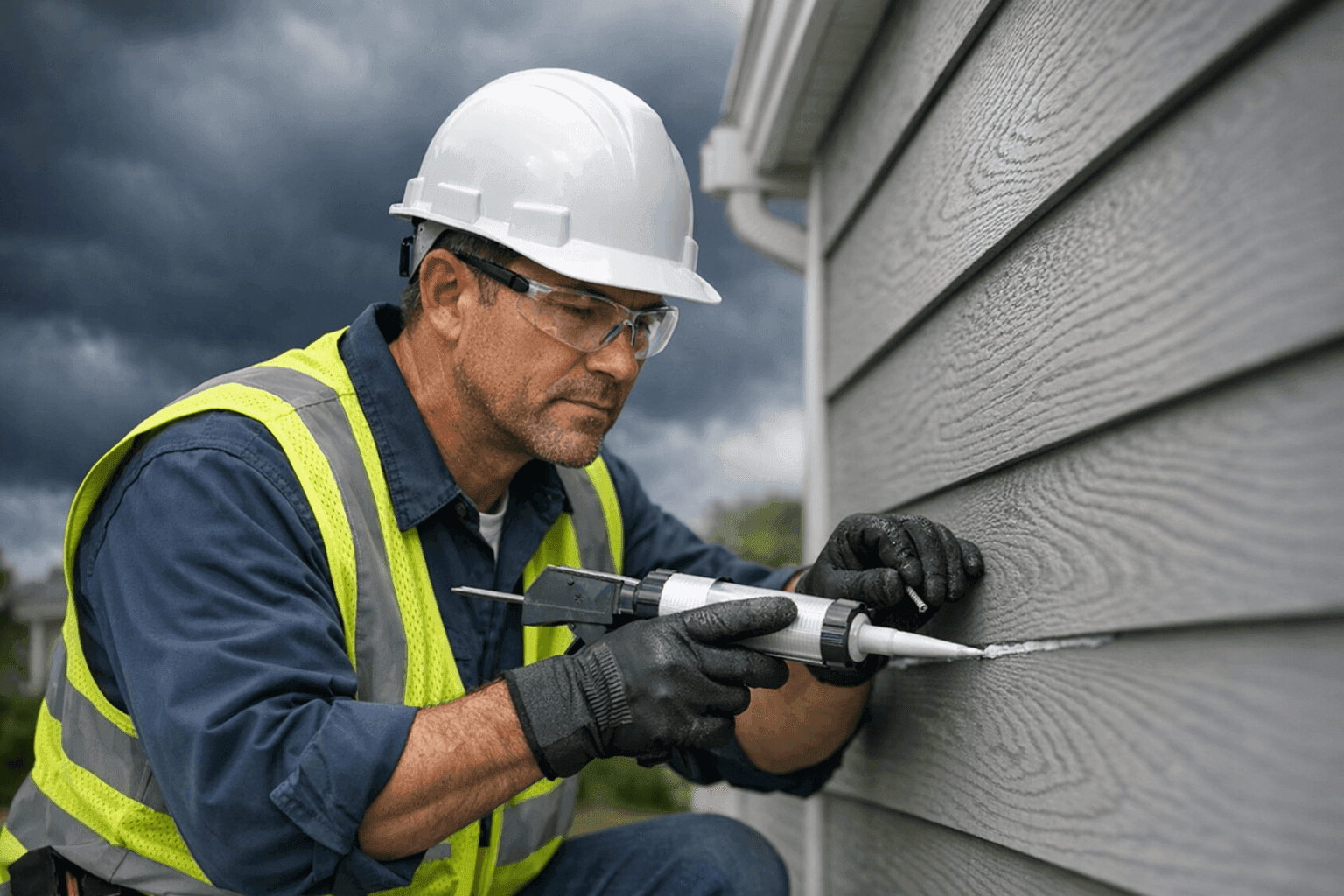
When the sky darkens and the wind begins to howl, your home's siding stands as the first line of defense. Storms don’t wait, and neither should you. At Kroll Siding, we know how quickly a peaceful afternoon can turn into a battle against the elements—and how costly it can be if your siding isn’t ready.
Every year, families face the stress of leaks, water intrusion, and even structural damage. But most of these headaches can be avoided with smart, proactive weatherproofing. Let’s make sure your home is built to handle whatever Mother Nature throws your way.
Why Weatherproofing Matters
Think of siding as your home’s raincoat. Without proper weatherproofing, even the sturdiest materials can let water creep in. Over time, moisture seeps into the walls, causing rot, mold, and insulation breakdown. The result? Expensive repairs, unhealthy living conditions, and lowered home value.
According to the International Residential Code (IRC), exterior walls must be properly flashed and sealed to prevent water intrusion—a requirement for both safety and durability. Yet, many homes fall short, especially after years of exposure or rushed installations.
Weatherproofing isn’t just about stopping leaks. It’s about peace of mind. When storms hit, you’ll know your siding is secure, your investment is protected, and your family is safe.
The Anatomy of Siding Vulnerability 🌧️
Where does water sneak in? It’s not always obvious. Here are the usual suspects:
- Gaps at corners and seams where panels come together
- Around windows and doors, especially if caulking has cracked
- At the base of walls, where splashback can undermine the siding
- Missing or damaged flashing, the unsung hero that directs water away
Wind-driven rain finds weaknesses fast. And once water finds a path, it rarely forgives.
Products That Work: Tools for Tough Weather
Weatherproofing isn’t a one-size-fits-all job. The right products depend on your siding material, climate, and home design. Here’s what the pros reach for:
- High-quality caulks and sealants: Look for elastomeric or polyurethane caulks rated for exterior use. They stay flexible and bridge gaps, even when siding shifts.
- Self-adhesive flashing tape: Especially important around windows, doors, and trim. This tape forms a waterproof barrier that’s tough for water to defeat.
- House wraps and vapor barriers: These add a breathable but waterproof layer behind your siding.
- Specialty paints and stains: For wood siding, water-repellent finishes extend lifespan and resist swelling or cracking.
Don’t forget: not all products are created equal. Always check manufacturer instructions and look for products that meet ASTM International standards.
Siding Flashing Repair Near You: Why It’s Critical
Flashing is the thin metal or vinyl strip that keeps water moving in the right direction—away from your home. If flashing is bent, missing, or poorly installed, even the best siding can fail.
Regular Siding Flashing Repair ensures water never finds a shortcut behind your walls. It’s a small detail with huge impact.
DIY or Call a Pro? Know Your Limits
Some weatherproofing tasks are weekend-warrior friendly. Others demand a seasoned hand. Here’s how to decide:
DIY-Friendly Tasks:
- Re-caulking small gaps or seams.
- Touching up chipped paint or stain.
- Clearing debris from gutters and downspouts.
Call a Pro When:
- You spot rotted wood, loose panels, or severe cracks.
- Flashing is missing, rusted, or improperly installed.
- You notice water stains inside your home or bubbling paint.
Remember: what looks minor on the surface can signal bigger problems beneath. If you’re unsure, don’t wait. A professional inspection can save thousands down the road.
What the Pros Do on Arrival
When Kroll Siding’s team arrives, we follow a detailed checklist:
- Inspect every inch: We look for warping, gaps, discoloration, and loose trim.
- Test flashing and seals: Water is sneaky. We make sure every joint is tight.
- Recommend targeted repairs: Sometimes it’s as simple as new caulk. Other times, panels or trim need replacing.
- Advise on upgrades: If your siding is nearing the end of its life, we’ll walk you through options like fiber cement, metal, or eco-friendly materials.
All work follows code, and we use only materials suitable for your home’s design and local weather patterns.
Quick Safety Checklist Before the Storm
Prepare your siding fast when severe weather is on the horizon:
- Clear gutters and downspouts to prevent overflow.
- Secure loose panels or trim—wind can turn them into projectiles.
- Check all caulking for cracks or holes.
- Trim trees and shrubs away from the siding.
- Move outdoor furniture so nothing bangs into your walls.
A few minutes of prep can prevent weeks of repair.
Extreme Weather Scenarios: What to Expect
Storms come in all flavors—hail, wind, torrential rain. Here’s how each can test your siding:
- Wind: Rips off panels, exposes underlayment, bends flashing.
- Hail: Chips paint, dents metal, cracks vinyl.
- Flooding rain: Finds every gap and seam, especially at ground level.
- Snow and ice: Build up in gutters, force water behind panels when melting.
Insurance policies often cover “sudden and accidental” damage. But many deny claims for gradual leaks or poor maintenance. Keep records of inspections and repairs—it pays off if you ever need to file.
Prevention & Maintenance: Your Best Defense
Like a regular oil change for your car, siding needs periodic TLC:
- Annual inspection: Catch small issues before they grow.
- Gutter cleaning: At least twice a year.
- Repainting or sealing wood siding: Every 3–7 years, depending on exposure.
- Prompt repairs: Don’t let “it can wait” turn into “it’s too late.”
The National Association of Home Builders recommends siding inspections every spring and fall. Set a reminder—you’ll thank yourself later.
Materials Matter: Choose Wisely
Not every siding is created equal. Here’s what stands up best to storms:
- Fiber cement: Tough, fire-resistant, and shrugs off hail.
- Metal: Dent-resistant and nearly impervious to water.
- Vinyl: Affordable and low-maintenance, but look for impact-rated options.
- Engineered wood: Modern versions resist rot and insects.
If you’re considering an upgrade, our siding material consultation can help you weigh the pros and cons for your home’s climate and style.
The Hidden Dangers of Neglected Siding
Ignoring small problems can invite big trouble:
- Mold and mildew: Thrive in damp conditions behind leaky siding.
- Insect infestations: Termites and carpenter ants love moist wood.
- Insulation breakdown: Water intrusion ruins R-value, driving up energy bills.
Don’t assume “out of sight, out of mind” means “out of danger.”
Timeline & Disruption: What to Expect
Worried about the mess and fuss? Most weatherproofing jobs take a day or two, depending on the size of your home and the extent of repairs. Our crews work efficiently, keeping your yard tidy and your routine undisturbed.
For major storm repairs or full siding replacement, expect a longer timeline—but we always keep you informed and your property respected.
Emergency Siding Services: When Every Minute Counts ⚡
If a storm has just blown through and you spot dangling panels, water pouring in, or exposed sheathing, it’s time to act—fast. Emergency services are available for urgent siding issues, securing your home quickly and minimizing further damage.
Insurance Policy Considerations
Read the fine print on your homeowner’s insurance. Most policies require proof of regular maintenance. Take photos, save receipts, and get written reports from your siding contractor. If disaster strikes, you’ll have everything you need to support your claim.
Common Mistakes to Avoid
- Ignoring small cracks or gaps.
- Skipping annual inspections.
- Relying on cheap, generic caulks.
- Trying to repair major storm damage without help.
- Forgetting to document work for insurance.
A little diligence now is worth years of protection.
Your Next Steps: Action Plan
- Schedule an inspection—especially before storm season.
- Address minor repairs right away.
- Upgrade materials if your siding is aging out.
- Keep documentation for insurance.
- Bookmark a trusted pro—like Kroll Siding—for emergencies.
If you’re looking for top-tier siding weatherproofing, learn more about our services in Stockton—we’re ready to help with any siding challenge you face.
Ready to Weather Any Storm?
Your home deserves the same care you’d give any loved one. Protect it from the next storm—don’t wait until the clouds roll in.
Call Kroll Siding now — or reach us anytime at 888-892-6286 .