Soffit and Fascia Installation: Why It Matters
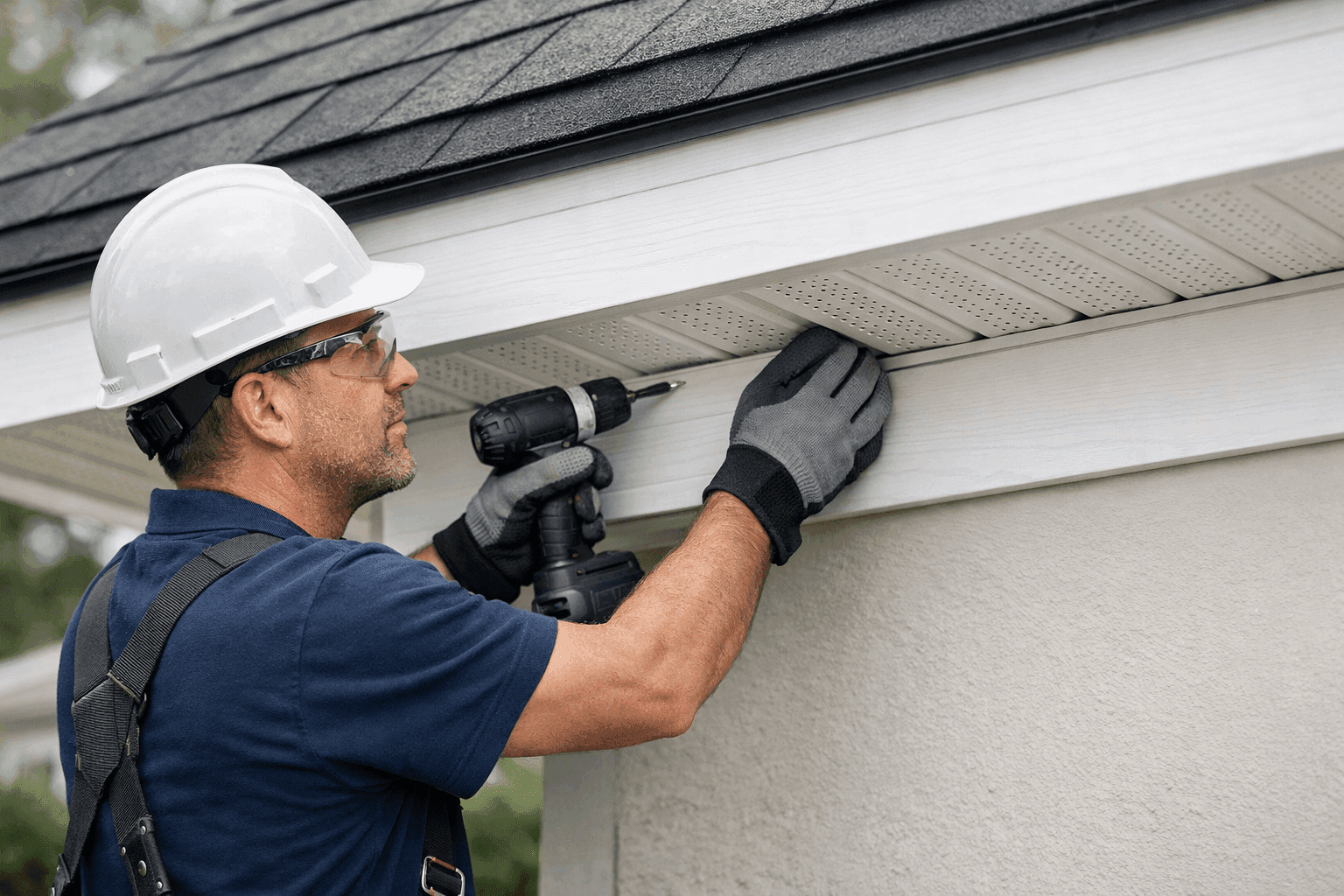
Have you ever wondered what keeps your roof edges so tidy, or why your attic stays dry through the wildest storms? The answer is often hidden in plain sight. Soffit and fascia may not steal the spotlight, but they work hard every day—protecting your home from rot, leaks, and even uninvited critters.
At Kroll Siding, we know that the smallest details can make the biggest difference. If you’re thinking about siding health or just heard a drip where there shouldn’t be, you’re in the right place. Let’s break down why soffit and fascia matter, and how to keep them—and your home—at their best.
Soffit & Fascia Explained 🏠
Soffit and fascia are like the border guards of your roof. The soffit tucks under the roof’s overhang, bridging the gap between the edge of your roof and the wall of your home. It's the surface you see when you stand under the eaves and look up. The fascia is the vertical board that caps the end of the rafters—think of it as the trim that faces outward, right where the roof meets the exterior wall.
Together, they do more than just look good. They’re your home’s first line of defense against water, weather, and pests.
Quick reference:
- Soffit: Underneath the eaves, often ventilated.
- Fascia: Front-facing trim, supports gutters.
How They Protect Your Home
Imagine your roof as an umbrella. Without a secure edge, rainwater would sneak under, soaking everything in its path. Soffit and fascia create a water-tight barrier, directing runoff cleanly into your gutters.
Here’s what they shield you from:
- Moisture: Stops rain and snowmelt from seeping into the attic or walls.
- Pests: Blocks birds, squirrels, and insects from nesting.
- Rot: Prevents wood decay and mold by keeping airflow steady.
- Structural Damage: Keeps rafters and trusses dry, extending roof life.
According to the International Residential Code (IRC), proper installation of these elements is critical for “weather-resistive barriers” (see IRC R703 for siding and trim guidelines). When soffit or fascia fail, the results can be expensive—and sometimes dangerous.
Signs Your Soffit or Fascia Need Attention
Most siding issues start small. Catching them early is key.
Watch for:
- Peeling paint or stains
- Sagging or warped boards
- Unusual drafts or humidity indoors
- Visible gaps or holes
- Animal activity or nests
- Water marks under the eaves
If you spot any of these, it’s time for an inspection. Minor issues can snowball into major repairs if left unchecked.
The Installation Process: Step by Step
Ever watched a jigsaw puzzle come together? That’s how soffit and fascia installation feels—every piece has its place.
Here’s how pros at Kroll Siding handle it:
- Inspection & Prep: Assess the roof edge, check for rot or old damage, and remove failing materials.
- Measuring & Cutting: Precision matters. Boards are measured and cut to fit every angle and overhang.
- Ventilation Planning: If your attic needs better airflow, this is the stage to add siding ventilation solutions.
- Installation: Secure fascia boards, then attach soffit panels—making sure vents are clear and everything is sealed tight.
- Sealing & Caulking: All joints and seams are caulked to block water and pests.
- Gutter Integration: Gutters are reattached or replaced as needed. (Good gutters are crucial for siding health!)
- Final Inspection: Double-check for gaps, alignment, and code compliance.
Safety First: Soffit & Fascia Work
If you’re thinking about DIY, remember: working at heights is no picnic. Always use sturdy ladders, wear non-slip shoes, and never work alone.
For bigger jobs—especially if rot or structural repairs are needed—call a pro. The Occupational Safety and Health Administration (OSHA) has clear guidelines on ladder safety and fall protection (see OSHA 1926 Subpart M).
Materials Matter: Choosing What Lasts
Not all siding trim is created equal. Your climate, style, and budget all play a role.
Popular options:
- Vinyl: Affordable, low-maintenance, resists rot and pests.
- Aluminum: Lightweight, rust-resistant, good in wet climates.
- Wood: Classic look, but needs regular painting and sealing.
- Fiber cement: Durable, fire-resistant, and holds paint well.
At Kroll Siding, we’ll walk you through the options—balancing beauty, budget, and durability.
The Cost Factor: What to Expect
Soffit and fascia installation costs depend on:
- Material choice
- Linear feet to cover
- Height and access difficulty
- Repair needs
While it’s tempting to skimp, remember: cutting corners now can mean big bills (and headaches) later. Quality installation saves money over time by preventing leaks, rot, and repeated repairs.
Siding Flashing Repair Near You
Did you know improper flashing can cause as much trouble as worn-out fascia? Flashing is the thin metal that diverts water away from seams and joints. If you notice drips or water stains, ask about Soffit and Fascia Installation when you schedule a soffit and fascia checkup.
Preventive Maintenance: Keeping Everything Solid
A little routine care goes a long way. Here’s how to keep soffit and fascia strong:
- Inspect twice a year, especially after storms
- Clean gutters and downspouts regularly
- Check for peeling paint or soft spots
- Clear away nests or debris
- Touch up caulk and paint as needed
Set a reminder for spring and fall—these checks take minutes, but can save thousands.
Common Mistakes to Avoid
Even the handiest homeowners sometimes slip up. Here’s what to watch for:
- Ignoring small leaks: Water travels. Fix minor issues before they become major.
- Using the wrong materials: Not all boards withstand local weather.
- Blocking vents: Proper airflow matters for attic health.
- Skipping code requirements: Local building codes protect your investment.
Timeline & Disruption: What to Expect
Most soffit and fascia jobs take a day or two—sometimes longer if rot or hidden damage is found. There may be some noise and dust, but a professional crew will keep things tidy and minimize interruption.
When It’s an Emergency
If you see sagging, hear critters in the attic, or notice water pouring where it shouldn’t, don’t wait. Fast action can save thousands in repairs and prevent bigger problems.
FAQ: Soffit & Fascia Questions We Hear Most
Q: Do I need ventilation in my soffit?
A: Yes, most homes benefit from vented soffit. It helps regulate attic temperature and prevents moisture buildup.
Q: How often should soffit and fascia be replaced?
A: With quality materials, expect 20–30 years. Inspect regularly to catch issues early.
Q: Can I paint my fascia and soffit?
A: Absolutely—use exterior-grade paint. Some materials, like vinyl, may not need painting.
Seasonal Considerations
Winter ice dams, spring downpours, summer heat—each season brings its own challenge. Extra inspections after storms or heavy winds will help you spot trouble before it spreads.
Siding Health Beyond the Roofline
Soffit and fascia aren’t just about looks—they’re essential for siding health, attic comfort, and your home’s value. If you’re curious about siding solutions that fit your climate and style, check out our siding services in Washington, DC for expert advice and an assessment tailored to your needs.
Ready to Protect Your Home?
When it comes to siding, the little things matter most. Whether you need a quick repair or a full upgrade, Kroll Siding is here to help your home stand strong—season after season.
Call Kroll Siding now — or reach us anytime at 888-892-6286 .