Stucco Siding Installation: Pros, Cons, and Best Practices
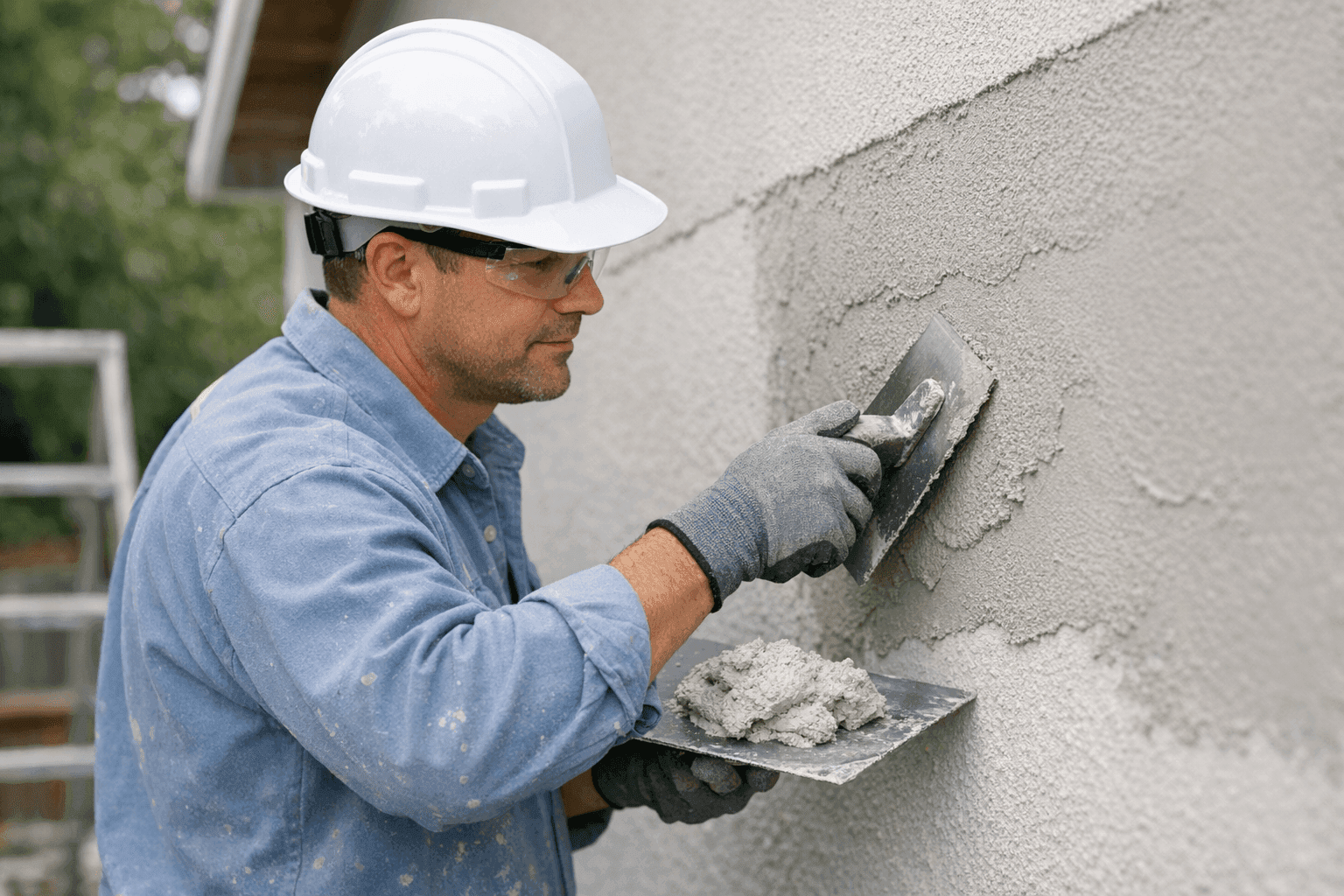
Choosing siding for your home is like picking out a jacket for unpredictable weather. Stucco siding stands out—timeless, sturdy, and with a personality all its own. But is it the right match for your needs?
At Kroll Siding, we've guided families and homeowners through the world of siding for decades. If you’re eyeing stucco, you’re not alone. Let’s walk through its strengths, limits, and best practices so you can make a confident decision.
What Is Stucco Siding?
Stucco siding is a centuries-old exterior finish, made by blending cement, sand, lime, and water into a paste. It’s applied in layers, hardening to a rock-like shell. Think of it as the weathered stone wall of a Mediterranean villa—except it’s on your home, guarding against the elements.
You’ll find stucco on homes from California to the Southwest, but it’s growing in popularity nationwide. Its smooth or textured finish and wide range of colors make it a favorite for both classic and modern designs.
Stucco Siding Compared to Other Types
How does stucco stack up against other siding options? Here’s a quick rundown:
- Vinyl Siding: Lightweight, affordable, and quick to install. But it can crack in extreme cold or fade over time.
- Fiber Cement Siding: Durable and fire-resistant, with more flexibility in looks. Still, it can be pricier and requires more upkeep than vinyl.
- Wood Siding: Natural and warm, but vulnerable to rot, termites, and weather.
- Metal Siding: Modern and tough, but can dent or rust if not properly protected.
Stucco lands somewhere in the middle: it’s tough, energy-efficient, and long-lasting, but it needs a skilled hand for installation and some climates suit it better than others.
Pros & Cons of Stucco Siding 🎨
Before you commit, weigh the upsides and downsides.
Pros
- Durability: Properly installed, stucco can last 50 years or more.
- Energy Efficiency: Stucco’s thickness creates a solid barrier against heat and cold.
- Aesthetic Flexibility: From smooth to textured, and nearly any color.
- Fire Resistance: Cement-based stucco slows the spread of fire.
- Low Maintenance: No painting needed, and it resists pests.
Cons
- Cracking: Stucco can crack with settling or shifting foundations.
- Moisture Sensitivity: In wet or humid climates, trapped moisture may cause issues.
- Installation Complexity: Requires careful prep and professional skill.
- Repair Visibility: Patches may be noticeable if not expertly matched.
Is Stucco Right for Your Region?
Climate matters. Stucco shines in dry, temperate zones. In areas with heavy rainfall or freeze-thaw cycles, extra care is crucial. The International Residential Code (IRC) sets guidelines for moisture barriers and installation—always check that your installer follows these standards.
Curious about the best siding for your region? If you’re searching for "Siding Flashing Repair near you," or want a local perspective, our Oklahoma City siding team can help you weigh your options.
Safety First: Quick Stucco Siding Checklist 🦺
When it comes to home projects, safety and preparation are everything. Before starting stucco siding installation, make sure:
- Work areas are clear and dry
- All electrical outlets and fixtures are covered
- Proper protective gear is on hand (goggles, gloves, masks)
- Scaffolding is secure and stable
- Building codes and local permits are checked
A safe setup keeps everyone—and your investment—protected.
The Stucco Installation Overview
Installing stucco siding isn’t a weekend DIY job. Here’s how the process unfolds:
- Inspection and Prep: Walls are checked for moisture damage or structural issues. Any repairs are handled first.
- Weather Barrier: A waterproof layer (like building paper or house wrap) is applied to shield the structure.
- Lath Attachment: Metal or fiberglass mesh (the “lath”) is fastened over the barrier, giving stucco something to grip.
- Three-Coat Application:
- Scratch Coat: The first layer is applied and scored.
- Brown Coat: The second layer smooths things out.
- Finish Coat: The final layer creates the desired appearance.
- Curing: Stucco needs time to harden and dry, usually at least a week.
- Final Touches: Any trim, caulking, or color finishes are added.
Professional installers follow ASTM C926 and C1063 guidelines for stucco materials and application—don’t settle for shortcuts.
DIY or Hire a Pro?
If stucco is a cake, baking it is only half the battle—decorating is where things get tricky. You need experience, the right materials, and patience. A single misstep can lead to cracks, leaks, or uneven color. Most homeowners are better off calling in a professional siding crew, especially for multi-story homes or complicated layouts.
What the Pros Do on Arrival
Here’s what sets a reputable siding contractor apart:
- Thorough Inspection: Spotting moisture issues, rot, or pest damage before starting.
- Accurate Measurements: Ensuring precise material use and minimal waste.
- Moisture Management: Installing flashing, weep screeds, and sealants to channel water away.
- Continuous Supervision: Monitoring temperature and humidity for proper curing.
At Kroll Siding, our team brings years of hands-on experience and follows code every step of the way.
Maintenance & Repair: Keeping Stucco at Its Best 🧰
Stucco siding isn’t a “set it and forget it” solution, but it’s not high-maintenance either.
Routine Maintenance
- Annual Inspection: Look for cracks, chips, or bulging areas.
- Gutter Check: Keep gutters and downspouts clear to reduce water exposure.
- Cleaning: Use a soft brush or hose—never a high-pressure washer, which can damage the surface.
- Caulking: Refresh around windows, doors, and trim as needed.
Common Repairs
- Hairline Cracks: Can be filled with flexible stucco caulk.
- Larger Cracks or Holes: Require patching by a pro, who’ll match color and texture.
- Staining or Mold: Use a mild detergent and water, or consult a siding specialist.
If you spot large cracks, bubbling, or soft spots, it’s time for a professional inspection.
Weatherproofing and Moisture Defense
Stucco’s biggest challenge? Moisture. Proper flashing, caulking, and drainage systems are a must. For extra protection, consider adding a rain screen or moisture barrier during installation. This is especially important in climates with heavy rainfall or snow.
For homes needing expert moisture protection, our Siding Material Consultation can guide you toward the best choices for your local climate.
Timeline & Disruption: What to Expect
Stucco installation is a marathon, not a sprint. Depending on your home’s size and weather conditions, expect the process to take 1-2 weeks. Some noise and dust are inevitable, but experienced crews keep disruption to a minimum.
Signs of Trouble: When to Call for Help
Be on the lookout for:
- Cracks wider than a credit card
- Stains or discoloration around windows or doors
- Damp, musty smells indoors
- Chipping, bubbling, or falling stucco
These may signal water intrusion or underlying damage—don’t delay repairs.
Cost Factors and Budgeting
Stucco costs more upfront than vinyl but less than stone. The price depends on wall area, prep work, and custom finishes. While it’s an investment, stucco’s energy savings and long lifespan often pay off over time.
Emergency Stucco Siding Needs
Storm damage, impact, or sudden cracking? Fast response is key to preventing further issues. Siding pros can assess, stabilize, and repair damaged stucco quickly, keeping your home safe from the elements.
Seasonal Considerations
Stucco installation is best in mild, dry weather. Extreme cold or rain can delay curing and compromise quality. Plan your project for spring or early fall for best results.
Common Mistakes to Avoid
- Skipping moisture barriers or flashing
- Rushing the curing process
- Ignoring small cracks until they become big problems
- Using the wrong cleaning tools
A little vigilance goes a long way in protecting your investment.
FAQ: Homeowners’ Top Stucco Questions
How long does stucco last?
With proper care, 50 years or more.
Does stucco work in cold climates?
Yes, but extra moisture protection is needed.
Can I paint stucco?
Absolutely—use breathable, high-quality exterior paint.
Is stucco fireproof?
It’s highly fire-resistant, making it a safe choice.
What if my stucco cracks?
Small cracks can be sealed; larger ones need professional repair.
Ready to Talk Stucco?
Stucco siding is a lasting, energy-smart choice—if it’s installed and maintained with care. Whether you’re building new, upgrading, or just exploring your options, Kroll Siding is here to help you weigh every factor and handle the details.
Call Kroll Siding now — or reach us anytime at 888-892-6286 .