Summer Siding Care: Beat the Heat and Sun Damage
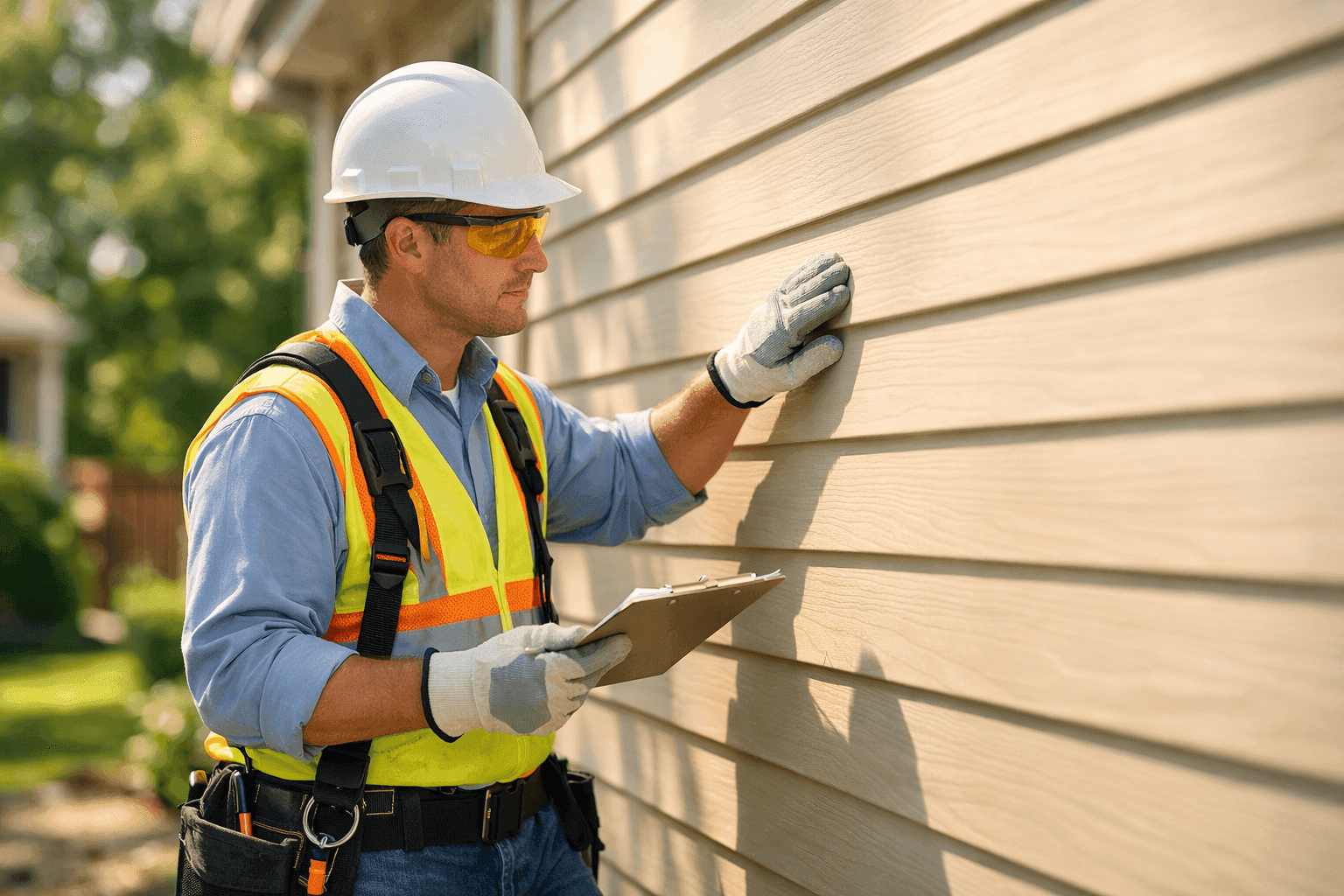
Hot, sticky, and relentless. That’s how summer can feel when the sun beats down on your home. Your siding stands in the heat’s path—silent, steady, and taking every hit. At Kroll Siding, we understand what your home is up against. Let’s get ahead of sun damage, warping, and sneaky insect invaders before they get a foothold.
Every summer brings new challenges for siding. When you know what to look for—and take a few smart steps—you can keep your home looking sharp and strong, year after year.
Why Summer Is Tough on Siding
Summer isn’t just about ice cream and backyard BBQs. The sun’s rays can turn vinyl brittle, fade paint, and even warp certain materials. Think of your siding as a shield—it protects your home from the elements. But even the best shields need care.
- UV rays fade colors and break down protective coatings.
- Heat waves can cause expansion, leading to buckled or warped panels.
- Humidity invites mold, mildew, and insect activity.
- Sudden storms can drive rain behind siding, if flashing or caulking is weak.
If your siding’s flashing or weatherproofing is compromised, you may end up searching for “Siding Flashing Repair near you” sooner than you’d like.
The Quick Summer Siding Safety Checklist 🌞
Before the season hits full swing, walk around your home with this checklist in hand:
- Look for cracks or bulges in siding panels.
- Check for peeling paint or faded patches.
- Inspect caulking around windows, doors, and trim.
- Notice any soft spots or swelling—signs of trapped moisture.
- Watch for insect nests or droppings, especially near seams.
- Test for loose panels or rattling trim in the breeze.
If you spot anything suspicious, snap a photo for reference. Early detection makes repairs faster—and often less expensive.
Cleaning Routines That Work
Summer grime is a magnet for trouble. Dust, pollen, and the residue of last week’s storm all stick to siding like syrup on pancakes. Here’s how to keep it clean:
- Rinse siding with a garden hose every few weeks.
- Gently scrub with a soft brush and mild soap for stubborn spots. Avoid anything abrasive.
- Start at the bottom and work up—it keeps streaks from forming.
Remember, cleaning isn’t just about looks. Removing build-up prevents mold and makes it easier to spot new damage.
Provide Shade—And Relief
Direct sunlight is relentless. While you can’t move your house, you can help shield your siding:
- Plant shrubs or small trees a few feet from the wall. They act as natural umbrellas, cooling the air and blocking some UV rays.
- Install awnings or shade sails over windows and south-facing walls.
- Use window treatments inside to reduce indoor heat, which can impact siding from the other side.
Shade does more than cool things down. It extends the life of paint and keeps vinyl from warping.
Caulking: Your Silent Defender
Caulk is like the stitching in a good jacket—it keeps everything snug and dry. Summer heat causes caulk to expand and contract, sometimes pulling away from seams.
- Inspect caulking at all siding joints, around windows, and along trim.
- If you see cracks, gaps, or peeling, it’s time to reapply.
- Use a high-quality exterior-grade sealant, and work on dry days.
Caulk failure is a leading cause of water intrusion. This simple step can save you from bigger headaches down the road.
Watch for Insect Activity 🐜
Termites, carpenter ants, and wasps love warm weather as much as we do. Siding gaps, cracks, or loose trim are their invitation inside.
- Seal up any holes or cracks right away.
- Clear away mulch, wood piles, and dense vegetation near your foundation.
- Regularly check soffits and fascia for signs of nesting.
If you notice a sudden swarm or see wood dust, it may be time for a professional inspection.
Adapt Your Maintenance for Material Type
Not all siding is created equal. Each material has its quirks:
- Vinyl siding: Prone to warping and fading. Avoid pressure washers and harsh chemicals.
- Wood siding: Needs regular painting or staining. Watch for rot and insect holes.
- Fiber cement: Durable, but may crack if exposed to repeated moisture.
- Metal siding: Can chalk or corrode in salty air. Rinse regularly.
If you’re unsure, check the manufacturer’s maintenance guide or ask our team at Kroll Siding.
Siding Flashing Repair—Don’t Wait
Flashing is the unsung hero behind every dry, damage-free home. It’s thin metal or plastic, tucked behind siding and trim, steering water away from vulnerable places.
- Check flashing at rooflines, window heads, and door frames.
- If you see rust, gaps, or missing pieces, schedule a Siding Flashing Repair.
- It may seem minor, but failed flashing can lead to expensive water damage quickly.
Weatherproofing for Summer Storms
Thunderstorms can strike out of nowhere. Make sure your siding is ready:
- Inspect all seams and joints for tightness.
- Add or replace weatherstripping on doors and windows.
- Ensure gutters and downspouts are clear and secure.
For extra protection, consider professional siding weatherproofing before the next big storm rolls in.
When to Call a Pro vs. DIY
Some tasks—like rinsing siding or re-caulking small gaps—are homeowner friendly. But for:
- Large cracks, missing panels, or major warping
- Persistent mold or mildew
- Evidence of insect infestation
- Flashing or structural repairs
It’s safer and smarter to hire a siding professional. They’ll spot hidden issues and fix them right the first time.
What to Expect During a Professional Siding Inspection
A pro will:
- Walk the perimeter and check every panel, joint, and corner.
- Use moisture meters to detect trapped water.
- Inspect under trim, soffits, and around vents.
- Suggest repairs or upgrades for energy savings.
This isn’t just a formality—it’s a chance to catch problems before they snowball.
Common Summer Siding Mistakes
Even careful homeowners slip up. Avoid these pitfalls:
- Pressure washing siding without the right setting—can force water behind panels.
- Painting over mildew or damaged areas—instead of cleaning or repairing first.
- Ignoring small gaps or cracks.
- Forgetting about ventilation—trapped heat can warp more than just your patience.
Timeline & Disruption: How Long Will Maintenance Take?
Most cleaning and caulking jobs take just a day or two. Flashing repairs, weatherproofing, or major fixes might need a few more, especially if weather delays pop up.
We work efficiently, respecting your home and routine. If you live in the Plymouth area and are searching for a reliable siding contractor, check out our siding services in Plymouth for local solutions.
Smart Upgrades for Lasting Protection
Looking to go the extra mile? Consider:
- Upgrading to eco-friendly siding that stands up to sun and heat.
- Adding insulation to keep summer’s swelter at bay.
- Installing new trim or vented soffits for better airflow.
These upgrades can boost curb appeal, comfort, and even your home’s value.
Stay Ahead of Trouble With Regular Inspections
Don’t treat siding care as a once-a-year chore. Quick monthly check-ins, especially after storms, can catch problems early. Create a calendar reminder—your future self will thank you.
Know Your Local Codes
Siding repairs and upgrades often need to follow local building codes. For example, the International Residential Code (IRC) sets standards for weather barriers, flashing, and materials. Always check with your city or county or work with a licensed contractor who knows the rules.
Final Thoughts: Siding That Lasts, Summer After Summer
Your home is your castle. Siding is its armor. With the right summer care routines, you can beat the heat, dodge the sun’s worst, and keep insects out where they belong. Kroll Siding is here with advice, repairs, and custom solutions—so you can relax and enjoy the season.
Call Kroll Siding now — or reach us anytime at 888-892-6286 .