Understanding Siding Warranties: What Homeowners Need to Know
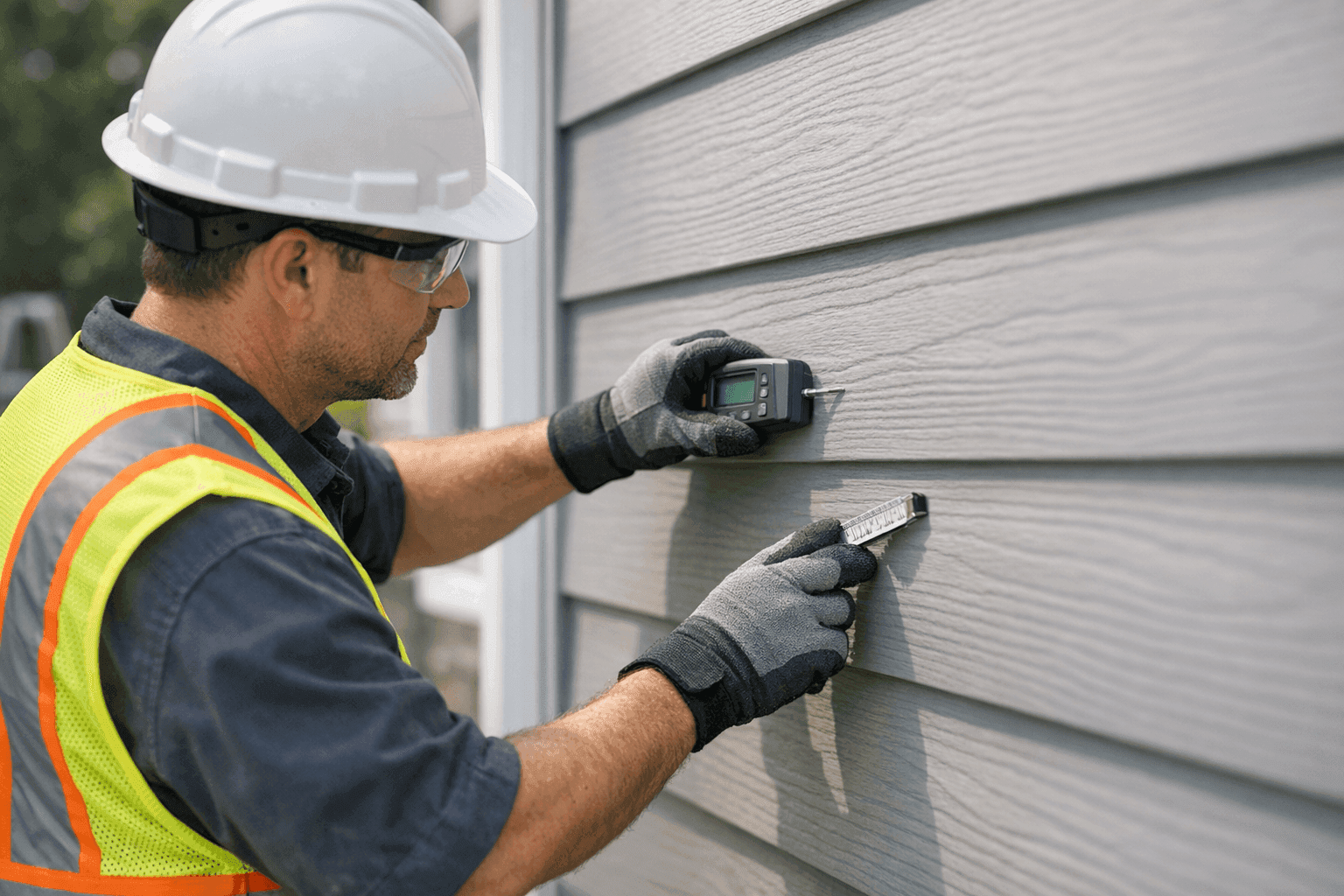
When you invest in new siding, you’re not just making your home look better. You’re putting your trust—and your budget—into a product that should protect your house for years. But what happens if something goes wrong? That’s where your siding warranty comes in.
Siding warranties can seem like a maze of fine print. At Kroll Siding, we help homeowners confidently navigate the details, so when issues pop up, you know exactly where you stand.
Why Siding Warranties Matter 🏠
Think of your siding warranty as a safety net—a backup when the unexpected happens. Severe weather, manufacturing hiccups, or installation missteps can all threaten your siding. Without a valid warranty, you could be left footing the entire bill for repairs or replacement.
A strong warranty isn’t just paperwork. It’s peace of mind. It helps make sure your investment is protected—and that you’re not alone if your siding lets you down.
Types of Siding Warranties
There isn’t just one kind of siding warranty. In fact, there are usually two main types to consider:
- Manufacturer Warranty: Covers defects in the siding material itself—cracking, warping, color fading before a certain number of years, or other flaws that originated at the factory. These warranties can last anywhere from 10 years to “lifetime,” depending on the brand and material.
- Workmanship (Installer) Warranty: Covers problems caused by improper installation. If the siding was put on wrong and issues pop up—like leaks or loose panels—this warranty kicks in. These are usually shorter, often 1–5 years.
It’s common to have both, but they cover different things. Read both carefully. Don’t assume one picks up where the other leaves off.
What’s Typically Covered by a Siding Warranty
Not all warranties are the same, but here’s what you’ll often see included:
- Damage from defects in the siding’s material, like early cracking or splitting.
- Excessive fading or discoloration beyond normal weathering (often tested by time limits).
- Certain types of hail or wind damage, if stated.
- Premature peeling, chipping, or blistering of finishes (especially with painted or coated materials).
The fine print will lay out exactly what “defect” means. If you’re unsure, ask your installer directly or check with the siding manufacturer.
Common Exclusions: What a Siding Warranty Won’t Cover
Warranties have limits. Here are some things they usually don’t cover:
- Damage from improper installation (unless you have a separate workmanship warranty).
- Mold, mildew, and water damage caused by lack of maintenance or improper caulking.
- Acts of nature—like tornadoes, earthquakes, or lightning—unless specifically included.
- Damage from pressure washing or harsh chemicals.
- Normal aging, scratches, or minor color changes.
- Issues from attaching things to the siding (like satellite dishes or hanging plants).
It’s a bit like car insurance—routine wear and tear isn’t covered. Only the unexpected, and only if it matches the warranty’s terms.
How to Maintain Your Siding Warranty
Most siding warranties include a list of homeowner responsibilities. Miss these, and you might lose your coverage.
Here’s how to keep your warranty alive:
- Follow Care Instructions: Clean your siding using the manufacturer’s recommended methods. Avoid power washing unless your warranty allows it.
- Schedule Regular Inspections: Have a professional check for issues at least once a year. This can catch problems before they void your warranty.
- Address Repairs Fast: If you spot loose panels, cracks, or missing caulk, don’t wait. Quick siding-repair can prevent minor issues from turning into big, uncovered problems.
- Document Everything: Keep your warranty paperwork, proof of purchase, and photos of your siding’s condition. If you need to make a claim, this is your evidence.
Manufacturer vs. Workmanship Warranties
Imagine a cracked baseball bat. If it cracks because of a flaw in the wood, that’s on the factory. If it cracks because you swung it at a rock, that’s on you—or maybe the person who gave you bad advice.
The same logic applies to siding:
- Manufacturer warranty: Covers problems that start with the siding itself. Think factory defects or premature fading.
- Workmanship warranty: Covers the way the siding was installed. If it leaks because the installer missed a step, this kicks in.
Always ask your contractor for written details on both types. They should be separate documents, with clear terms.
Reading the Fine Print: Avoiding Costly Mistakes
The devil is in the details. Here’s what to look for in your siding warranty:
- Transferability: Can you pass the warranty to a new owner if you sell your home? Some allow it once, with conditions.
- Prorating: Does the coverage shrink over time? Many “lifetime” warranties become partial after a decade or two.
- Claim Deadlines: How fast do you need to report a problem? Waiting too long can void your claim.
- Required Maintenance: Are there specific things you must do (or avoid) to keep coverage? Read the list carefully.
- Exclusions and Limitations: Look for anything in small print that could affect your claim.
If something isn’t clear, ask your contractor for clarification—ideally in writing.
The Claims Process: What to Expect
Filing a siding warranty claim is a bit like filing an insurance claim. Here’s a simple rundown:
- Document the Problem: Take photos and write down details as soon as you notice something wrong.
- Contact the Manufacturer or Installer: Use the contact info in your warranty documents.
- Submit Proof: You’ll need your warranty certificate, proof of purchase, and maintenance records.
- Inspection: The company may send an inspector to check the problem.
- Resolution: If it’s covered, you’ll get instructions on repair or replacement.
Response times vary. Some manufacturers act quickly; others take weeks. Keep records of all communication.
Siding Warranty Maintenance: Simple Steps for Homeowners
You don’t need to be a pro to protect your siding warranty. Here’s a quick checklist:
- Gently wash your siding at least once a year with mild soap and water.
- Check caulking and seals around windows, doors, and trim.
- Clear gutters and downspouts regularly to prevent water buildup.
- Inspect for cracks, chips, or loose siding after storms.
- Schedule a professional siding warranty inspection every spring or fall.
Staying ahead of small problems is the best way to avoid big, uncovered repairs later.
When to Call a Pro for Siding Issues
If you spot obvious damage—like warping, buckling, or water stains—don’t wait. DIY fixes can sometimes void your warranty. It’s smarter to call a professional who knows the ropes and can keep your coverage intact.
For urgent issues after a storm or accident, look for “Siding Flashing Repair near you” to prevent water damage from spreading.
Emergency Siding Services and Your Warranty
Storms don’t wait for business hours. If your siding is ripped off or badly damaged in the middle of the night, document everything with photos before you touch it. Temporary fixes (like tarps) are okay, but get professional repairs as soon as possible to stay within warranty guidelines.
Seasonal Considerations: Protecting Siding Year-Round
Winter ice, summer sun, and heavy spring rains each test your siding in different ways. Before each season:
- Walk around your home and look for signs of trouble.
- Remove debris and trim plants or trees close to your siding.
- After severe weather, check for hail dents or loose panels.
A little seasonal attention can go a long way toward keeping your warranty valid.
Common Mistakes That Void Siding Warranties
Some pitfalls are easy to miss:
- Using a pressure washer when it’s not allowed.
- Skipping annual cleaning or inspections.
- Ignoring small repairs until they become big ones.
- Painting or altering the siding without manufacturer approval.
Mistakes like these can leave you unprotected. Always check your warranty before making changes.
Signs of Siding Trouble That Warrant a Closer Look
Not sure when to worry? Here are some warning signs:
- Warping, buckling, or sagging panels.
- Gaps or cracks, especially around windows and doors.
- Unexplained spikes in heating or cooling bills.
- Water stains or mold growth inside or outside your home.
Spotting these early and acting fast keeps your siding warranty—and your home—in good shape.
Timeline and Disruption: How Long Do Siding Repairs Take?
Warranty repairs can take anywhere from a day to several weeks, depending on parts availability and weather. Professional crews work quickly to minimize disruption. Ask for an estimated timeline as soon as your claim is approved.
Materials and Equipment: What Pros Use (and Why It Matters)
Experienced siding contractors use manufacturer-approved materials and methods. Cutting corners with the wrong caulk, fasteners, or flashing can void your warranty. Always ask what products your contractor is using, and get it in writing.
Siding Warranty FAQs
Q: Do all types of siding come with warranties?
A: Most do, but the terms vary by material (vinyl, fiber cement, metal, wood, or stucco).
Q: Can I transfer my siding warranty if I sell my home?
A: Some warranties are transferable, usually once, and sometimes require paperwork within 30–60 days of sale.
Q: What should I do if my warranty claim is denied?
A: Ask for a written explanation. You can often appeal or provide more documentation. If you’re unsure, consult the Federal Trade Commission’s guide on warranties.
Q: Where can I find siding warranty help in my area?
A: Kroll Siding offers local support for siding warranty services. For siding installation and repair in Wentzville and beyond, see our Wentzville siding services for reliable help.
Final Thoughts: Protecting Your Home and Your Rights
Siding warranties don’t have to be confusing. With a little attention, you can avoid the pitfalls that leave homeowners stranded. Read the fine print. Keep up with maintenance. And ask questions before trouble starts.
If you ever have questions, or if you need siding warranty services, don’t hesitate to reach out.
Call Kroll Siding now — or reach us anytime at 888-892-6286 .