Vinyl Siding Installation: Step-by-Step Guide
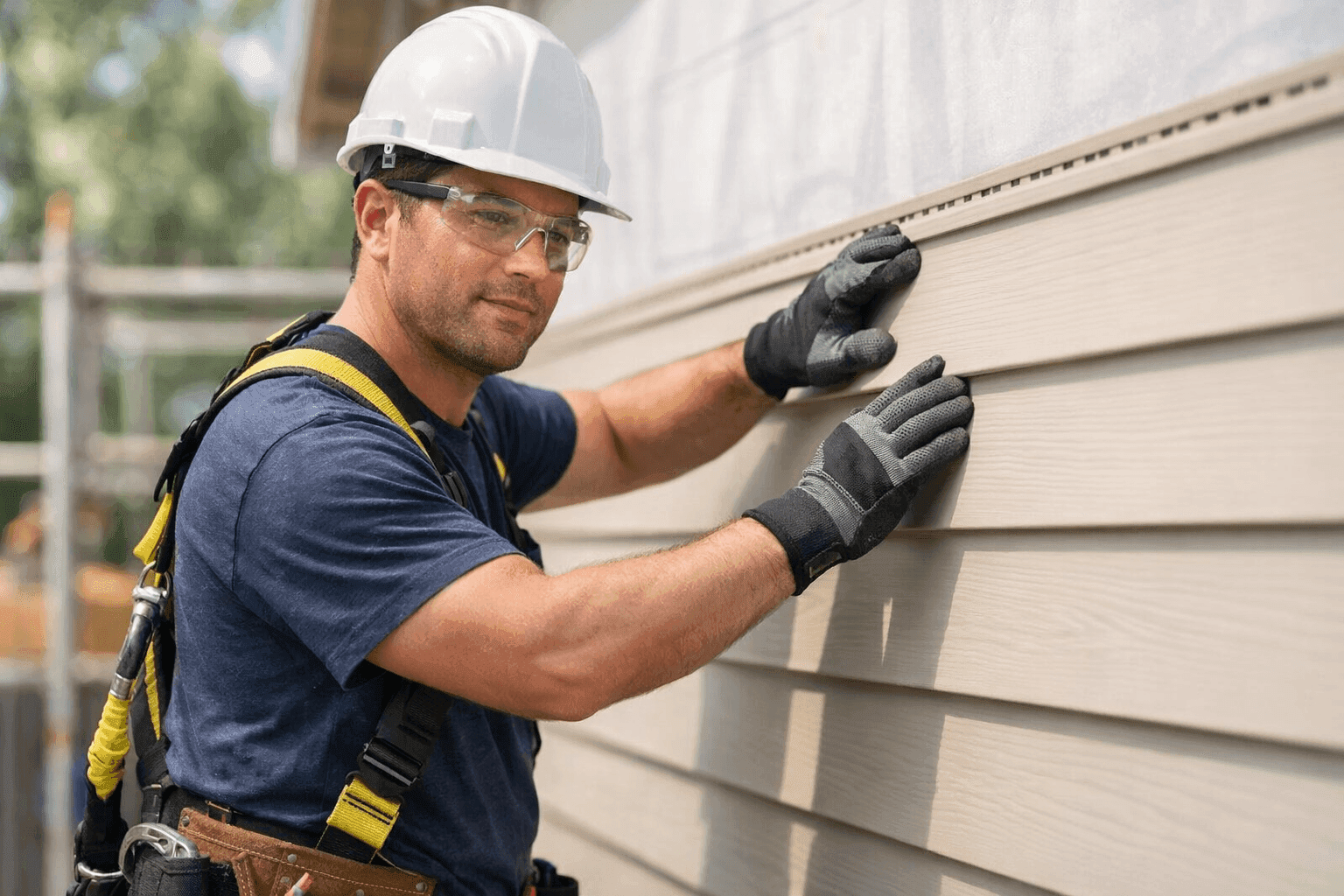
Vinyl siding is a shield for your home. It keeps the weather out, and lets your curb appeal shine. But installing it isn't something you rush—or risk with guesswork. Homeowners often ask, “What should I expect?” or “How do I make sure it lasts?” That’s exactly what you’ll find here: the real steps, explained clearly.
At Kroll Siding, we know vinyl siding from the inside out. We’ve seen what happens when shortcuts get taken, and we’ve learned why following best practices—like those outlined by the Vinyl Siding Institute and local code—matters for a home’s future.
Prepping for Vinyl Siding: Laying the Groundwork 🛠️
Preparation is the backbone of any siding project. It’s like building a strong foundation before you hang the walls of a house.
- Inspect First: Check your walls for rot, mold, or any damage. Siding should only cover a sound, dry surface.
- Remove Old Siding: Don’t cover up problems. Remove old siding, nails, and anything loose.
- Repair and Replace: Replace rotted trim, seal gaps, and make sure sheathing is solid.
- Weather Barrier: Code often requires a weather-resistant barrier (like house wrap). This keeps moisture out and insulation in.
- Flashing: Install flashing around windows, doors, and wall intersections. This is your home’s raincoat against leaks. For more on proper flashing or Siding Flashing Repair near you, Kroll Siding can help ensure lasting results.
Laying Out the Job: Planning Makes Perfect
Before you even touch a panel, you need a plan. Start by measuring your walls. Double-check corners, windows, and doors; these areas will take more time and care.
- Snap Chalk Lines: Mark straight, level lines as guides for your starter strips and panels.
- Starter Strips: Attach these at the base of the wall. They’re your anchor and dictate how the first panel sits.
- Corner Posts and J-Channels: These frame your siding, giving it a clean edge and helping with expansion.
Safety First: Quick Checklist
No shortcut is worth a trip to the ER. Here’s what every installer should check:
- Wear gloves and safety glasses—cut siding is sharp.
- Use stable ladders and scaffolding. Don’t lean or stretch.
- Watch for power lines before lifting panels or climbing ladders.
- Always follow local building codes and manufacturer directions.
DIY or Call a Pro? Knowing Your Limits
Vinyl siding installation is doable for handy homeowners, but it’s not a weekend craft project. It takes time, tools, and know-how. If you’re unsure about flashing, ventilation, or working at heights, a licensed installer is the safer bet.
Professional crews bring:
- Experience with tricky angles and uneven walls.
- Proper tools and safety gear.
- Training to follow manufacturer guidelines (essential for warranties).
What to Expect When Pros Arrive
When Kroll Siding’s team arrives, here’s the typical process:
- Walk-through and final measurements.
- Protect landscaping and outdoor features.
- Remove old siding and inspect the underlying wall.
- Repair and prep as needed.
- Install weather barrier and flashing.
- Begin siding installation, working from bottom up.
- Clean up and final inspection.
We keep you in the loop at every stage, so you know what’s happening around your home.
Step-by-Step: Installing Vinyl Siding Panels
Let’s break down the heart of the project—panel installation.
1. Attach Starter Strips
These go at the base, level and secure. If they’re off, everything above will follow suit.
2. Install Corner Posts
Corner posts provide a channel for panels to tuck into and help hide end cuts.
3. Mount J-Channels
J-channels go around windows, doors, and soffits. They collect and direct water away from edges.
4. Hang the First Panel
Hook the bottom of your panel into the starter strip. Nail it loosely—vinyl expands and contracts with temperature, so never drive nails tight.
5. Work Upward
Overlap each panel slightly. Snap them together, but don’t force. Nails should hit framing studs, spaced as recommended by the manufacturer (usually every 16 inches).
6. Trim and Details
Use utility trim for neat edges at the top row. Install soffit and fascia for a finished look and added ventilation.
7. Caulk and Seal
Apply caulk around windows and doors if recommended. This keeps drafts and moisture at bay.
Avoiding Common Mistakes (and Regrets) 🚩
Even skilled DIYers trip up on vinyl siding’s quirks. Watch out for these:
- Nailing Too Tight: This locks panels in place, causing buckling as they expand in the sun.
- Skipping Flashing: Water finds its way in. Poor flashing leads to rot or mold inside your walls.
- Ignoring Expansion Gaps: Vinyl needs room to move, or it’ll warp.
- Covering Up Problems: Siding doesn’t fix rot or leaks underneath—address those first.
Materials and Tools: What You’ll Need
A quality job starts with the right gear.
- Vinyl siding panels and matching trim
- Starter strips, corner posts, and J-channels
- Galvanized nails (or manufacturer-approved fasteners)
- House wrap or weather barrier
- Flashing tape and caulk
- Circular saw or snips (for cutting panels)
- Hammer, chalk line, measuring tape, level
Using materials from reputable manufacturers helps ensure your siding performs as promised.
Timeline & Home Disruption: How Long Will It Take?
Most residential projects take between a few days and a week, depending on size and weather. Prep and repairs can add time. Expect some noise and foot traffic, but a pro team works to minimize disruption.
Cost Factors: What Drives the Budget?
Several things influence the final price:
- Size and shape of your home
- Prep and repair needs
- Siding style and color
- Trim and detail work
- Regional code requirements
A Siding Material Consultation can help you weigh your options and balance cost with curb appeal. Learn more about this service at /services/siding-material-consultation.
Siding Flashing Repair Near You: Why It Matters
Proper flashing is the unsung hero of long-lasting siding. It’s what keeps leaks and rot from sneaking into your walls, especially after storms or in tricky corners. If your home has flashing issues, Kroll Siding offers Siding Flashing Repair near you—so you can rest easy come rain or shine.
Seasonal Considerations: Timing Your Project
Vinyl siding can be installed year-round, but moderate weather is best. Extreme cold can make panels brittle; summer heat makes them more flexible (and longer). Plan for dry days if possible, and keep an eye on the forecast.
Siding Inspection: When to Check Your Work
After installation, inspect every wall up close. Look for:
- Even lines and spacing
- No loose panels or gaps
- Proper caulking at joins
- Secure trim and corner posts
Many manufacturers require a final inspection for warranty activation, so don’t skip this step.
When It’s an Emergency: Fast Solutions
Storm damage? Missing panels? Exposed wood? That’s when speed matters. Emergency siding services can quickly patch or replace damaged areas, protecting your home from further problems.
Longevity Advice: Making Your Siding Last
Well-installed vinyl siding should last 20–40 years. Here’s how to help it reach its full lifespan:
- Clean annually with gentle soap and water.
- Trim plants and trees away from your siding.
- Check caulk, flashing, and fasteners every year.
- Address any signs of damage right away.
Our Vinyl Siding Installation service follows manufacturer guidelines to the letter, ensuring your investment pays off over time.
Maintenance Tips: Keep That Fresh Look ✨
Vinyl siding is low-maintenance, but not no-maintenance.
- Wash gently—no pressure washers, which can force water behind panels.
- Inspect after storms for any movement or cracks.
- Clean out gutters regularly so water doesn’t overflow onto siding.
- Keep grills, fire pits, and heat sources well away.
For homes in the Midwest, regular siding inspections can be a difference-maker. If you’re near Fargo and want a siding inspection or repair, check out our Fargo siding services for trusted local help.
Frequently Asked Questions
How do I know if my siding needs replacing?
Look for cracks, warping, fading, or loose panels. High heating or cooling bills can also mean hidden gaps.
What’s the best time of year for installation?
Spring and fall are ideal, but pros can work year-round with the right prep.
Can I install new siding over old siding?
It’s possible, but not always wise. Covering old damage can cause bigger headaches later.
Will my siding need painting?
Vinyl siding comes pre-colored. If you want a new look, use manufacturer-approved paint and prep.
Conclusion: Make Siding Work for Your Home
Vinyl siding protects, insulates, and brightens your home. A careful, well-planned installation is the key to decades of comfort and style. If you have questions, or want an estimate for your next project, Kroll Siding is here to help.
Call Kroll Siding now — or reach us anytime at 888-892-6286 .